Glossary
Anti-Aging Treatment Glossary: Cross-Category A-to-Z Vocabulary
A working A-to-Z glossary of the lasers, RF, MFU, fillers, threads, botulinum, peels, and biologics terms I kept tripping over across three years of Gangnam consultations — defined the way a friend would explain them.
After three years of clinic-hopping in Gangnam I had a list of words that kept showing up across menus, no matter which clinic I walked into or which category of treatment I was actually there to ask about. Pico. PDO. PLLA. Calcium hydroxyapatite. Polynucleotide. SUPERB. Each consultation added two or three new terms I had not seen before, and most of them turned out to overlap with the menu next door. So I started a notebook. This is the cleaned-up version of that notebook, sixty-five terms ordered A to Z, covering the entire anti-aging menu — laser families, RF generations, MFU and HIFU platforms, the three big filler chemistries, the four thread materials, the four botulinum toxins on the Korean market, the skin biologics that arrived in the past five years, and the structural vocabulary (depth zones, downtime tiers, treatment cycles) that ties it all together. None of it is medical advice. It is the working vocabulary that lets me read across categories without nodding along pretending I know what polycaprolactone is. (Tip: if you only have time for fifteen, the M, P, and S sections carry most of the load.) If you are about to walk into a Gangnam consultation and the brochure looks like alphabet soup, this is the page I wish I had bookmarked first.
A — Ablative, Alexandrite, Autologous fat
Section A spans laser physics, a specific laser wavelength, and a filler material — three terms that show up in three different consultation rooms but use the same A.
Ablative laser
A laser treatment that physically vaporizes the top layers of skin, producing a controlled wound that heals with new collagen formation. CO2 and Erbium:YAG are the two main ablative platforms. Recovery is meaningful — typically five to ten days of social downtime — but the resurfacing depth is unmatched by non-ablative modalities. (Tip: "fully ablative" and "fractional ablative" are different categorical claims; the fractional version trades depth for shorter recovery.) See also: CO2 laser, Erbium:YAG, fractional, non-ablative.
Alexandrite laser
A 755nm wavelength laser, well-absorbed by melanin, used primarily for hair removal and pigment lesions. Less common in Korean anti-aging menus than Nd:YAG or pico platforms, but appears in combination protocols when a clinic offers both aesthetic and dermatologic services. The wavelength is also used in some pico devices for tattoo and pigment work. See also: Nd:YAG, Picosecond, Ruby.
Autologous fat
The patient's own fat, harvested by liposuction from the abdomen or thighs and re-injected as a volumizing filler — most commonly to the cheeks, temples, or under-eye hollows. The procedure is more involved than HA filler injection and carries a longer recovery, but the volume retention can extend years rather than months. (Tip: "autologous" simply means "from your own body" — the clinical opposite of synthetic filler.) See also: HA filler, PLLA, polycaprolactone.
B — Botulinum Type A, Botulinum Type B, Botox, Bipolar RF
Section B is dense — the major botulinum vocabulary plus an RF cousin from the M section.
Botulinum toxin Type A
The serotype of botulinum used in nearly all aesthetic neuromodulators — including Botox (onabotulinumtoxinA), Jeuveau (prabotulinumtoxinA), Xeomin (incobotulinumtoxinA), Dysport (abobotulinumtoxinA), and the Korean market's Nabota. The Type A serotype produces a temporary muscular relaxation lasting roughly three to four months. (Tip: the four FDA-approved Type A products in the U.S. are not interchangeable unit-for-unit; Korean menus often add Nabota and Meditoxin to that list.) See also: Botox, Jeuveau, Nabota, Xeomin.
Botulinum toxin Type B
An alternate serotype (rimabotulinumtoxinB, marketed as Myobloc) used primarily in patients who develop resistance or antibody response to Type A. Rare in aesthetic practice, more common in cervical dystonia and other neurological indications. Worth knowing the term exists — it occasionally surfaces in long-term botulinum patient histories. See also: Botulinum toxin Type A.
Botox (onabotulinumtoxinA)
Allergan's branded onabotulinumtoxinA, the first and most-recognized Type A neuromodulator globally. Standard aesthetic dosing in Korea uses Allergan-comparable units at modestly lower per-unit pricing than U.S. clinics. Most Gangnam menus list Botox alongside Jeuveau and Nabota at different price tiers. (Tip: "Botox" is sometimes used colloquially to refer to any neuromodulator — clinically, it specifically means Allergan's onabotulinumtoxinA product.) See also: Botulinum toxin Type A, Jeuveau, Xeomin.
Bipolar RF
An RF configuration where current travels between two electrodes placed close together on the same handpiece, producing shallow localized heating typically 1 to 2mm deep. Most microneedling RF devices (Morpheus8, Vivace, Genius) are bipolar. Compared to monopolar, bipolar reaches less deep but offers more surface control and easier use around the eyes. See also: Monopolar RF, Multipolar RF, RF microneedling.
C — CaHA, CO2 laser, COG threads, Cycle
Section C covers a filler chemistry, a workhorse laser, a thread type, and the structural vocabulary of treatment scheduling.
CaHA (Calcium hydroxyapatite)
A semi-permanent biostimulating filler, marketed primarily as Radiesse, made of calcium hydroxyapatite microspheres suspended in a gel carrier. Acts as both an immediate volumizer and a longer-term collagen stimulator, with results lasting twelve to eighteen months. Used most often for the jawline, cheeks, and hand rejuvenation. (Tip: CaHA is denser than HA and not reversible the way HA is with hyaluronidase — the trade-off for the longer duration.) See also: HA filler, PLLA, biostimulator.
CO2 laser
A 10,600nm ablative laser, the longest-established resurfacing platform in aesthetic dermatology. CO2 vaporizes water in the upper skin layers, producing dramatic textural improvement and pigment lightening at the cost of meaningful recovery — typically seven to fourteen days of social downtime for fully ablative protocols. Fractional CO2 (Fraxel re:pair, eCO2, MiXto) shortens recovery substantially. See also: ablative laser, fractional, Erbium:YAG.
COG threads
Barbed threads designed for lifting, with directional micro-cogs along the thread shaft that grip subcutaneous tissue and produce immediate physical lift on insertion. Made from PDO, PLLA, or PCL polymers depending on the brand. Different from mono and screw threads, which provide collagen stimulation without the same lifting vector. (Tip: COG is the sub-category most associated with the Korean "thread lift" name — the mono and screw variants are more often described as "thread tightening.") See also: PDO threads, mono threads, PLLA threads.
Treatment cycle
The recommended sequence and timing of sessions for a given modality. Botulinum toxin runs on a three-to-four-month cycle; HA filler on a six-to-twelve-month cycle depending on chemistry; MFU on a twelve-to-eighteen-month cycle for maintenance; biostimulator fillers on a series-of-three-then-annual cycle. Understanding the cycle of each modality is what lets a Gangnam consultation actually plan a year rather than a single session. See also: Maintenance, downtime tier.
D — Depth zone, Dermapen, Dermastamp, Downtime tier, Doublo
Section D covers the structural vocabulary of where energy goes, two microneedling tools, the recovery framework, and one HIFU device.
Depth zone
The anatomical layer a treatment is targeting — epidermis, papillary dermis, reticular dermis, hypodermis, or SMAS. Different modalities reach different depth zones: ablative lasers and chemical peels work in the upper epidermis-dermis; MFU at 1.5mm and 3mm targets the dermis; MFU at 4.5mm reaches the SMAS; deep CaHA filler sits at the deep dermal-subcutaneous junction. (Tip: depth zone is the single most useful framework for comparing across categories — the same outcome can be approached from multiple depths.) See also: dermis, SMAS, hypodermis.
Dermapen
A motorized microneedling pen with disposable needle cartridges, used for collagen induction and topical-product enhancement. Adjustable needle depth from 0.25mm (surface) to 2.5mm (deep dermis). Common as a stand-alone treatment or as a combination step with PRP, exosome serum, or polynucleotide application. Dermapen is a brand; the generic term is automated microneedling. See also: Dermastamp, microneedling, RF microneedling.
Dermastamp
A manual stamp-style microneedling tool, fixed needle depth, less commonly used in Korean medical-clinic protocols than the motorized Dermapen. Sometimes used for spot work or scar protocols where the practitioner wants direct vertical entry rather than the slight angular drag of a motorized pen. See also: Dermapen, microneedling.
Downtime tier
An informal categorization of expected recovery: zero downtime (no visible signs, immediate makeup OK), social downtime (mild redness or swelling, makeup-coverable for one to three days), full downtime (visible erythema, crusting, or bruising for five to fourteen days). Most consultation conversations implicitly map every modality to one of these tiers. (Tip: ask which downtime tier your practitioner is planning before booking the flight home — full-downtime modalities are not cabin-photo friendly.) See also: treatment cycle, recovery.
Doublo
A Korean-manufactured HIFU device often offered as a budget alternative to Ultherapy in Korean clinics. Uses focused ultrasound at depths similar to Ultherapy (1.5mm, 3mm, 4.5mm) but at higher per-shot energy and lower precision targeting compared to MFU with imaging guidance. (Tip: Doublo is HIFU, not the same as Ultherapy's MFU — the visualization layer is the categorical difference.) See also: HIFU, MFU, Shurink, Ultherapy.
E — Erbium:YAG, Exosome
Section E covers a precision laser and one of the newer biologic categories.
Erbium:YAG laser
A 2,940nm ablative laser with much higher water absorption than CO2, producing a more precise and shallower ablation with less collateral thermal damage. Recovery is typically faster than CO2 (three to seven days for fractional protocols) but the depth of ablation per pass is also smaller. Often selected for fine-line and superficial pigment work where CO2 would be too aggressive. See also: CO2 laser, ablative laser, fractional.
Exosome therapy
Extracellular vesicles isolated from stem cells, used as a topical adjunct after microneedling, lasers, or radiofrequency to deliver growth factors and signaling molecules into the freshly-channeled skin. Common in Korean post-laser protocols since the regulatory pathway opened around 2022. (Tip: exosomes in aesthetic practice are typically applied topically post-procedure, not injected — the categorical claim is barrier-and-recovery support rather than volumization.) See also: PRP, polynucleotide, Rejuran.
F — Filler, Fluence, Fraxel, Fractional
Section F covers the umbrella filler term plus three laser-and-energy concepts.
Filler (dermal filler)
An injectable substance placed in the dermis or subcutaneous tissue to restore lost volume, smooth wrinkles, or define contour. The three major chemistries are HA (hyaluronic acid, reversible, six to twenty-four months), CaHA (calcium hydroxyapatite, biostimulator, twelve to eighteen months), and PLLA (poly-L-lactic acid, biostimulator, eighteen to twenty-four months). Autologous fat is a fourth, longer-duration category. (Tip: "filler" without a chemistry qualifier is almost always HA in Korean clinic shorthand.) See also: HA filler, CaHA, PLLA, autologous fat.
Fluence
Energy density delivered per area, measured in joules per square centimeter (J/cm²). Used interchangeably with energy density across laser, RF, and ultrasound contexts. Higher fluence generally means more aggressive treatment, but the relationship to outcomes is non-linear above a ceiling. (Tip: when comparing two clinic packages, ask for the fluence number rather than the marketing word "high energy.") See also: J/cm², energy density.
Fraxel
Solta Medical's fractional laser platform — Fraxel re:store (non-ablative 1,550nm), Fraxel re:pair (fractional ablative CO2), and Fraxel Dual (1,550nm + 1,927nm). Fraxel is a brand; the generic term is fractional laser. The platform popularized the fractional approach in the early 2000s and remains a recognized name in Korean menus. See also: fractional, ablative, non-ablative.
Fractional
A treatment pattern that delivers energy to small fractions of the treatment area, leaving untreated skin between treated zones. The untreated zones speed healing and reduce downtime compared to fully ablative or full-coverage treatments. Fractional applies to lasers, RF (microneedling RF is inherently fractional), and some pico devices. (Tip: "fractional" describes a delivery pattern, not a depth — fractional devices exist at many depths.) See also: ablative, non-ablative, RF microneedling.
G — Glycolic acid, GLP-1
Section G covers a peel acid and the systemic weight-management category that has become impossible to ignore on Korean aesthetic menus.
Glycolic acid
An alpha-hydroxy acid (AHA) derived from sugar cane, used in chemical peels at concentrations from 20 percent (light office peel) to 70 percent (deeper, single-session). Smaller molecule than lactic or mandelic, penetrates faster, more aggressive at the same percentage. Common in maintenance peel series for dullness and surface texture. (Tip: Korean clinic protocols often use glycolic in low-percentage repeated sessions rather than single high-percentage peels.) See also: lactic acid, mandelic acid, salicylic acid, TCA.
GLP-1 (weight management)
Glucagon-like peptide-1 receptor agonists — the medication class that includes semaglutide (Ozempic, Wegovy), tirzepatide (Mounjaro, Zepbound), and several Korean-market equivalents. Increasingly listed as a separate menu item at Gangnam aesthetic clinics for body composition and the related "Ozempic face" volume-loss patterns that filler protocols are now adapted to address. (Tip: the volume-loss pattern from rapid GLP-1 weight loss is a legitimate filler indication in Korean clinics now — patients sometimes book the consultation specifically to discuss it.) See also: filler, autologous fat.
H — HA filler, HIFU, Hypodermis
Section H covers the dominant filler chemistry, the broader ultrasound category, and the deep skin layer.
HA filler (hyaluronic acid)
The dominant filler chemistry on the Korean market, made of cross-linked hyaluronic acid gel. Reversible with hyaluronidase if a result is unwanted or asymmetric, which is the main reason HA is the safety-first choice for first-time patients. Major brands include Restylane, Juvederm, Belotero, and Korean-market lines like Neuramis and Yvoire. Duration ranges from six to twenty-four months depending on cross-linking density. (Tip: HA is the only major filler chemistry that is reliably reversible — the others are not.) See also: filler, CaHA, PLLA, hyaluronic acid.
HIFU (High-intensity focused ultrasound)
Focused ultrasound at higher per-shot energy and broader focal spots than MFU, typically without real-time imaging guidance. Doublo, Shurink, and most third-tier ultrasound devices fall into this category. HIFU can reach similar depths to MFU but with less precise targeting and more variable patient experience. (Tip: HIFU and MFU are not the same thing — the visualization layer and focal-spot precision are the categorical differences.) See also: MFU, Doublo, Shurink, focused ultrasound.
Hypodermis
The fat layer beneath the dermis, also called the subcutis or subcutaneous tissue. Most MFU treatments at the 4.5mm depth pass through or terminate near the hypodermis to reach the SMAS below. Deep CaHA and PLLA fillers are placed at the dermal-subcutaneous junction. PDO/PCL threads are placed subcutaneously. See also: dermis, SMAS, subcutaneous.
I — Incobotulinumtoxin, Insulated needle
Section I covers a specific botulinum compound name and the microneedling technology that defines modern microneedling RF.
IncobotulinumtoxinA (Xeomin)
The generic name for Xeomin (Merz), a Type A botulinum toxin notable for being purified of accessory proteins — the "naked" toxin claim. Some clinicians prefer it for patients with prior antibody response to Botox or for very-frequent dosers, on the theory that lower accessory protein load reduces resistance risk. Standard aesthetic dosing is roughly comparable to Botox unit-for-unit. See also: Botulinum toxin Type A, Xeomin, prabotulinumtoxinA.
Insulated needle
A microneedling RF needle coated with insulation along the shaft, leaving only the tip uncoated. The insulation prevents RF energy from depositing in the upper dermis and surface skin, sending the energy only at the needle tip. This is what makes modern microneedling RF a tightening-plus-resurfacing modality rather than purely an ablative one. (Tip: non-insulated platforms exist and produce a different recovery profile — ask which one your clinic uses.) See also: RF microneedling, Morpheus8, Vivace.
J — Jeuveau
Section J covers a single botulinum brand worth defining specifically because it is Korean-developed.
Jeuveau (prabotulinumtoxinA)
Evolus's prabotulinumtoxinA, a Type A botulinum toxin developed by the Korean biopharma Daewoong and licensed for the U.S. market under the Jeuveau name. Known on the Korean market as Nabota. Marketed as a "newtox" alternative to Botox, with broadly comparable aesthetic profile and unit conversion roughly 1:1. (Tip: Jeuveau and Nabota are the same molecule under different brand names — Jeuveau internationally, Nabota domestically in Korea.) See also: Nabota, Botulinum toxin Type A, Botox.
K — Korean botulinum lineup, KTP laser
Section K covers the domestic botulinum landscape and one specific laser wavelength.
Korean botulinum lineup
The set of domestically-manufactured Type A botulinum toxins available on Korean clinic menus — Nabota (Daewoong, internationally Jeuveau), Meditoxin (Medytox), Hutox (Huons), Coretox (Medytox), and several smaller brands. Pricing tiers in Korean clinics often span imported (Botox, Xeomin, Dysport) versus domestic (Nabota, Meditoxin) categories, with domestic options typically 30 to 50 percent less per unit. (Tip: the unit conversion across Korean brands is roughly 1:1, but the comparison is not strictly identical — ask which product is being quoted.) See also: Nabota, Botulinum toxin Type A, Botox.
KTP laser
A 532nm potassium titanyl phosphate laser, well-absorbed by hemoglobin and melanin, used for vascular lesions (capillaries, telangiectasias, port-wine stains) and pigmented spots. Less common in primary anti-aging menus than Nd:YAG or pico, but present at clinics offering broader dermatologic services. See also: Nd:YAG, Picosecond, vascular laser.
L — Lactic acid, Laser, LDM
Section L covers a peel acid, the umbrella laser term, and a specific ultrasound technology.
Lactic acid
A mild alpha-hydroxy acid (AHA) used in superficial chemical peels at 10 to 30 percent concentrations. Larger molecule than glycolic, slower penetration, gentler tolerance — often the first choice for sensitive skin or first-time peel patients. Common in maintenance peel series for hydration and surface dullness. See also: glycolic acid, mandelic acid, salicylic acid.
Laser (umbrella term)
Light Amplification by Stimulated Emission of Radiation — a coherent light source delivering a single specific wavelength. Aesthetic lasers are categorized by wavelength (which determines what tissue absorbs the energy), pulse profile (pulse duration, repetition rate), and ablative-versus-non-ablative behavior. The major anti-aging laser families include CO2 (10,600nm), Erbium:YAG (2,940nm), Nd:YAG (1,064nm), KTP (532nm), Ruby (694nm), Alexandrite (755nm), and the pico-pulse-duration variants. (Tip: "laser" without a wavelength specifier is uninformative — always ask which laser.) See also: CO2 laser, Nd:YAG, Picosecond.
LDM (Local Dynamic Micro-massage)
A German-manufactured ultrasound technology using rapidly switching frequencies to produce a mechanical micro-vibration effect at multiple skin depths simultaneously. Marketed as anti-inflammatory and barrier-supportive rather than primarily lifting. (Tip: LDM is not the same modality as MFU or HIFU — it is shallower, gentler, and the categorical claim is different.) See also: ultrasound, MFU.
M — Mandelic acid, Mesotherapy, MFU, Microneedling, Mono threads, Monopolar RF, Morpheus8
Section M is the densest section in the glossary — seven terms spanning peels, injectable cocktails, ultrasound, microneedling, threads, and RF.
Mandelic acid
A larger-molecule alpha-hydroxy acid derived from bitter almonds, used in superficial peels at 10 to 40 percent. Slowest penetration of the major AHAs, making it the gentlest tolerance profile and the typical first choice for darker skin types where post-inflammatory hyperpigmentation risk is higher. See also: glycolic acid, lactic acid, salicylic acid.
Mesotherapy
A delivery technique in which small amounts of a customized cocktail (vitamins, hyaluronic acid, peptides, growth factors, lipolytic agents) are injected into the mid-dermis using fine needles or a multi-injector gun. Used for skin quality, hydration, hair restoration, and localized fat reduction. The composition of the cocktail varies enormously by clinic and indication. (Tip: "mesotherapy" is a delivery method, not a single product — ask what is in the cocktail.) See also: skin booster, polynucleotide, Rejuran.
MFU (Micro-focused ultrasound)
Ultrasound energy delivered to small focal points at precise depths, typically 1.5mm, 3mm, and 4.5mm in face protocols. The signature MFU platform is Ulthera/Ultherapy, which combines micro-focused ultrasound with real-time imaging guidance. MFU produces small thermal coagulation points at the focal depth, which the body responds to over months with new collagen synthesis. See also: HIFU, Ulthera, focal point.
Microneedling
A skin-rejuvenation technique using fine needles to create controlled micro-channels in the dermis, triggering a wound-healing collagen response. Stand-alone microneedling (Dermapen, Dermastamp) produces moderate collagen induction; RF microneedling (Morpheus8, Vivace, Genius) adds thermal energy via insulated needle tips for stronger tightening. Common as a base step combined with PRP, exosome serum, or polynucleotide application. See also: Dermapen, RF microneedling, insulated needle.
Mono threads
Smooth, non-barbed threads used to stimulate collagen along the thread track without producing a directional lift. Made of PDO most commonly. Often placed in fan or mesh patterns across the cheek, jawline, or neck for collagen induction rather than mechanical lift. (Tip: mono threads are the entry-level thread category — collagen-only, no lift vector. The lifting threads are COG.) See also: PDO threads, COG threads, PLLA threads.
Monopolar RF
A radiofrequency configuration where the current travels from a single electrode on the handpiece through the body to a return pad placed elsewhere on the patient. The current path produces deeper, more volumetric heating — typically 2 to 4mm into the dermis and into the upper hypodermis. Thermage FLX is the most-recognized monopolar RF platform globally. (Tip: if you see a return pad placed on your back or thigh during the prep, that is the giveaway.) See also: Bipolar RF, Multipolar RF, Thermage FLX.
Morpheus8 (Inmode)
An Inmode bipolar microneedling RF handpiece using insulated needles at depths from 0.5mm to 4mm. One of the more popular microneedling RF platforms in Korean clinics. Marketed for combined texture-and-tightening outcomes, with adjustable depth across the same session. See also: RF microneedling, insulated needle, Vivace.
N — Nabota, Nd:YAG, Neocollagenesis, Non-ablative
Section N covers a Korean botulinum brand, a workhorse laser, the underlying biology of every lifting modality, and a laser category.
Nabota (prabotulinumtoxinA)
Daewoong's Korean-market name for the prabotulinumtoxinA molecule licensed internationally as Jeuveau. Marketed as a domestic alternative to Botox at 30 to 40 percent lower per-unit cost on Korean clinic menus. Unit conversion to Botox is roughly 1:1 in standard aesthetic dosing. (Tip: when a Korean clinic quotes "botox 4 units forehead at X price," the X is often based on Nabota or Meditoxin pricing — ask which product.) See also: Jeuveau, Korean botulinum lineup, Botox.
Nd:YAG laser
A 1,064nm laser (with a 532nm KTP-frequency-doubled variant) widely used for vascular lesions, deep pigment, hair removal, and skin rejuvenation. Long-pulse Nd:YAG penetrates deepest of the common aesthetic wavelengths, reaching the dermis without significant epidermal absorption — useful for treating darker skin types where shallow-absorbing wavelengths carry hyperpigmentation risk. Q-switched and pico-pulse-duration Nd:YAG variants exist for tattoo and pigment work. See also: KTP, Picosecond, Ruby.
Neocollagenesis
The process of new collagen formation in tissue. Almost every non-surgical lifting modality works by triggering neocollagenesis: MFU through focal coagulation points, RF through bulk heating, microneedling through controlled dermal injury, biostimulating fillers through particle-driven recruitment, polynucleotides through DNA-fragment signaling. The response unfolds over weeks to months, which is why energy-based treatments do not produce immediate visible lift. (Tip: when a clinic says "results in three to six months," that gap is the neocollagenesis timeline.) See also: dermis, SMAS, biostimulator.
Non-ablative laser
A laser treatment that heats tissue without vaporizing it, leaving the skin surface intact. Non-ablative platforms (Fraxel re:store at 1,550nm, Fraxel Dual at 1,927nm, Clear+Brilliant) produce milder textural improvement with substantially shorter recovery — typically zero to three days of social downtime. (Tip: non-ablative is the category for patients who cannot accommodate the recovery window of ablative resurfacing.) See also: ablative, fractional, Fraxel.
O — OnabotulinumtoxinA
Section O covers the precise generic name underlying the most-recognized aesthetic brand.
OnabotulinumtoxinA (Botox)
The generic name for Allergan's Botox — the first FDA-approved Type A botulinum toxin for aesthetic use and the reference product against which other Type A toxins are compared. Standard aesthetic dosing in Korea uses Allergan-comparable units. See also: Botox, Botulinum toxin Type A, prabotulinumtoxinA.
P — PCL threads, PDO threads, PDRN, Picosecond, PLLA, Polycaprolactone, Polynucleotide, PRF, PRP
Section P is the second-densest section — nine terms covering threads, biologics, and pico-pulse lasers, all of which converge in modern Korean combination protocols.
PCL threads
Polycaprolactone threads, a slower-absorbing polymer than PDO with a longer collagen-stimulation arc — typically twelve to eighteen months versus PDO's six to nine. Used in COG and mono configurations, more often in lifting protocols where extended biostimulation is the goal. See also: PDO threads, PLLA threads, polycaprolactone.
PDO threads
Polydioxanone threads, the most common Korean thread material. Absorbed by the body over six to nine months, with continued collagen stimulation for several months after the thread itself dissolves. Available in mono, screw, and COG configurations for different indications. (Tip: PDO is the entry-level thread category — newer clinics often offer PCL or PLLA threads for longer biostimulation arcs at higher per-thread cost.) See also: PCL threads, PLLA threads, COG threads.
PDRN (Polydeoxyribonucleotide)
A purified DNA-fragment ingredient derived from salmon sperm, used in injectable skin boosters for tissue regeneration, anti-inflammation, and wound healing. The same mechanism as polynucleotide products (PDRN is a sub-category within the polynucleotide family). Frequently injected as a series of three to five sessions for skin-quality protocols. See also: polynucleotide, Rejuran, mesotherapy.
Picosecond laser (Pico)
A laser with pulse durations measured in picoseconds (10⁻¹² seconds) rather than nanoseconds — short enough to produce a photoacoustic effect that fragments pigment particles with less collateral thermal damage than older Q-switched lasers. Used for tattoo removal, melasma, post-inflammatory hyperpigmentation, and skin rejuvenation. Major platforms include PicoSure, PicoWay, and Discovery Pico. (Tip: "pico" and "picosecond" are the same thing — just shorter and longer versions of the same name.) See also: Nd:YAG, KTP, Alexandrite.
PLLA (Poly-L-lactic acid)
A semi-permanent biostimulating filler, marketed primarily as Sculptra, made of PLLA microparticles suspended in saline. PLLA does not produce immediate volume — the visible result builds over weeks to months as the body lays down new collagen in response to the particles. Duration is the longest of the major filler chemistries, eighteen to twenty-four months. (Tip: PLLA is a series, not a single session — most protocols call for two to three sessions spaced six weeks apart.) See also: filler, CaHA, biostimulator, Sculptra.
Polycaprolactone (PCL)
A slower-degrading bioabsorbable polymer used in PCL threads (e.g., Ellansé in some markets is a PCL-based filler outside Korea) and in some biostimulating filler formulations. Slower degradation than PDO or PLLA, with a longer collagen-stimulation arc. See also: PCL threads, PLLA, biostimulator.
Polynucleotide
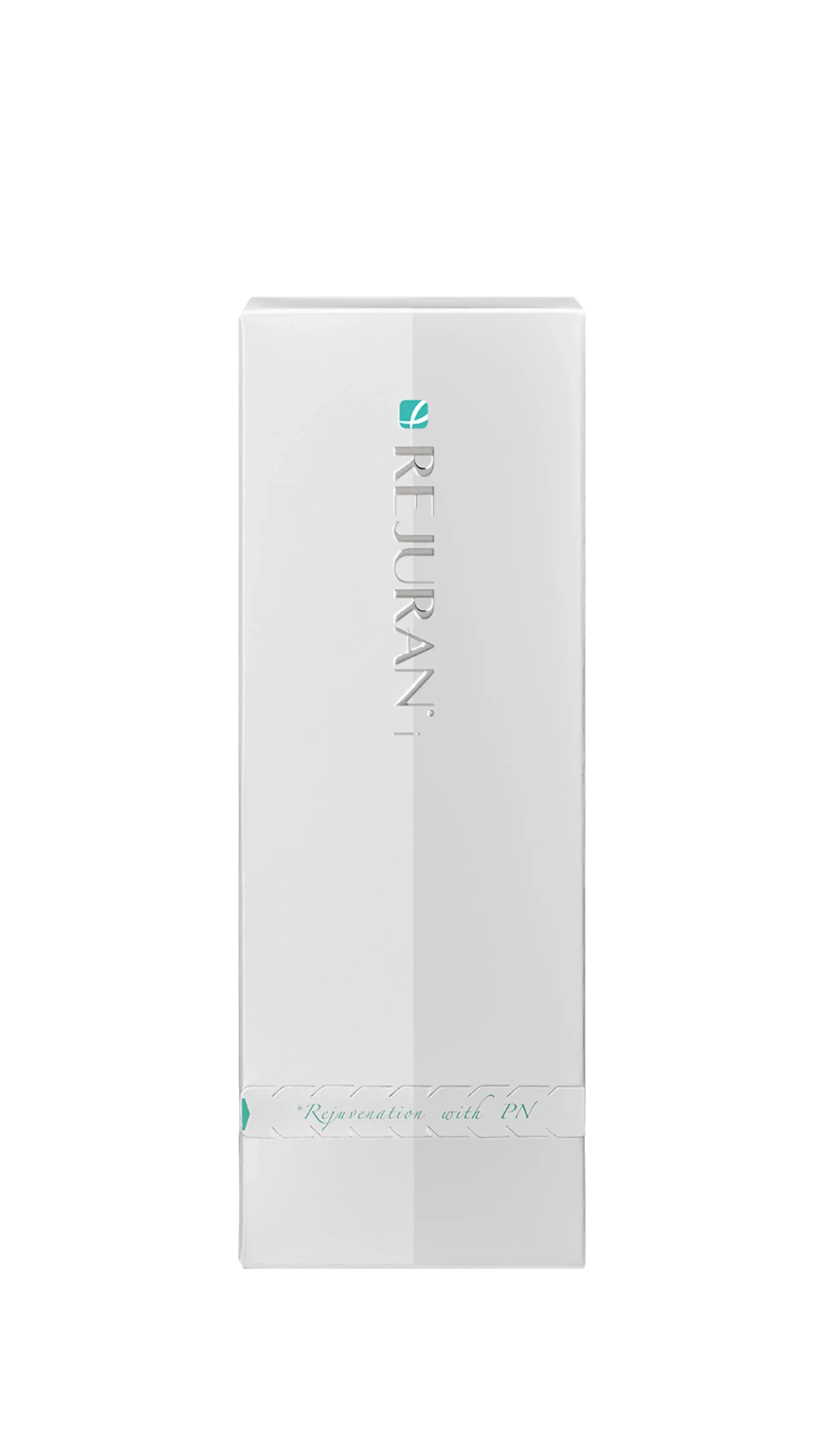
A class of injectable skin biologics using DNA fragments — including PDRN — for tissue regeneration, anti-inflammation, and skin-quality improvement. Rejuran is the most-recognized Korean polynucleotide brand. Common as a series of three to five sessions injected into the mid-dermis with a fine needle or microneedle gun. (Tip: polynucleotide is the umbrella; PDRN and Rejuran are specific instances within it.) See also: PDRN, Rejuran, mesotherapy, exosome.
PRF (Platelet-rich fibrin)
A second-generation autologous platelet preparation, similar to PRP but with a different centrifugation protocol producing a fibrin-rich gel-like consistency that releases growth factors more slowly over days rather than the immediate release of PRP. Used in skin rejuvenation, hair restoration, and post-procedure recovery. See also: PRP, autologous, mesotherapy.
PRP (Platelet-rich plasma)
An autologous preparation made by drawing the patient's blood, centrifuging it to concentrate platelets, and reinjecting the platelet-rich plasma layer into the dermis or scalp. Used for skin rejuvenation, scar treatment, and hair restoration. The growth-factor concentration triggers a regenerative cascade in the treated tissue. (Tip: PRP is autologous — derived from your own blood — which is why allergy and rejection risk is essentially zero.) See also: PRF, autologous, mesotherapy.
R — Radiofrequency (RF), Rejuran, RF microneedling, Ruby laser
Section R covers the umbrella RF term, a major Korean polynucleotide brand, microneedling RF, and a wavelength-specific laser.
Radiofrequency (RF)
Electromagnetic energy in the radio-wave range, used to heat tissue by causing rapid molecular vibration. RF can be configured as monopolar, bipolar, or multipolar depending on electrode placement, and reaches different depths depending on configuration. Monopolar RF (Thermage) reaches deepest; bipolar is shallower and more controlled; multipolar sits in between. See also: Monopolar RF, Bipolar RF, Multipolar RF, Thermage FLX.
Rejuran
PharmaResearch Korea's polynucleotide-based injectable skin biologic — the most-recognized polynucleotide brand globally. Marketed in three variants: Rejuran Healer (mid-dermis, skin quality), Rejuran I (under-eye), and Rejuran HB (hyaluronic-acid-blended). Common protocol is three sessions spaced four weeks apart. (Tip: Rejuran is polynucleotide, which is a specific category — distinct from HA filler, exosome therapy, and PRP.) See also: polynucleotide, PDRN, mesotherapy.
RF microneedling
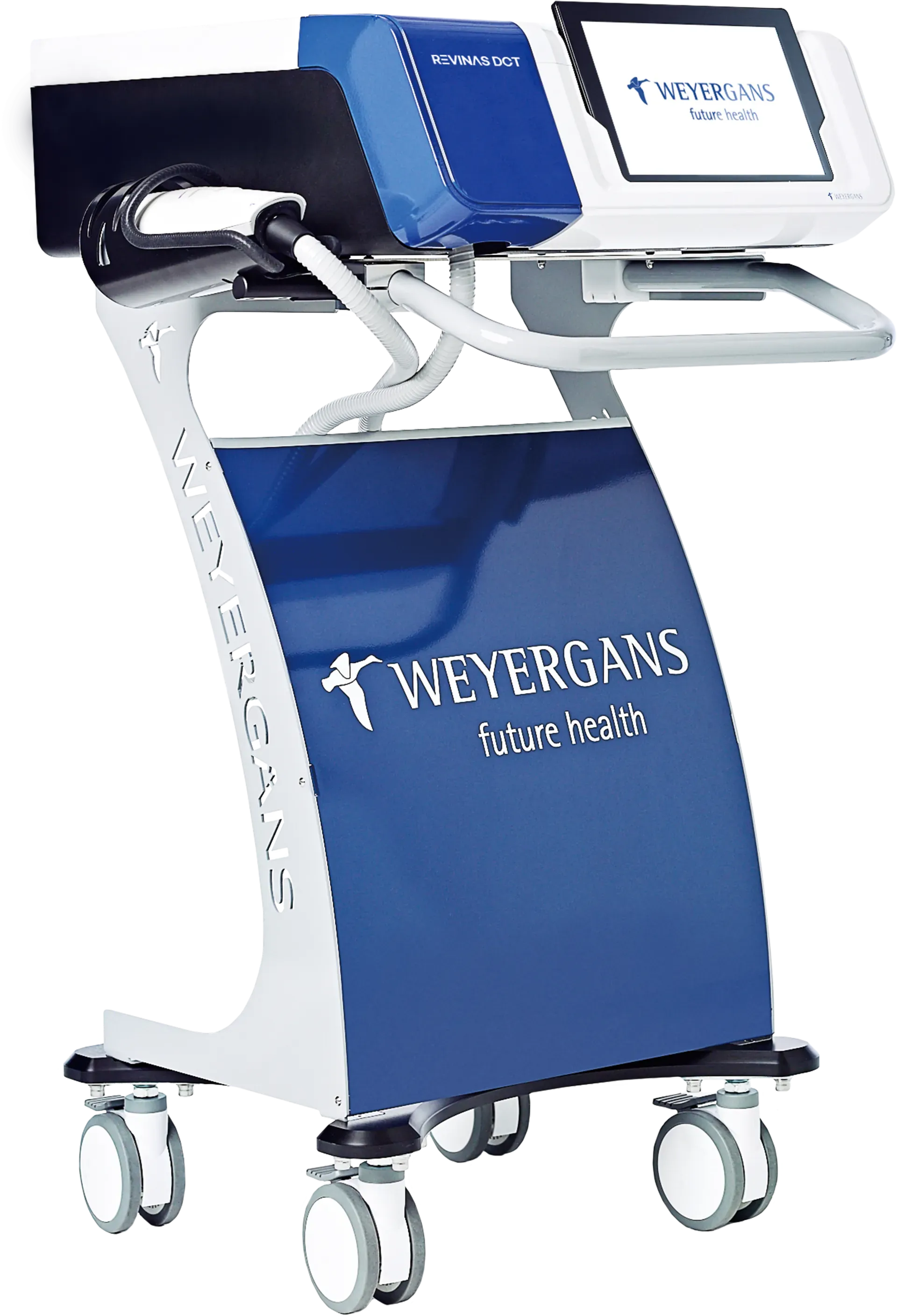
A hybrid treatment that combines microneedling (insulated needles inserted into the dermis) with RF energy delivered from the needle tips. Reaches dermal depths from 0.5mm to 4mm depending on the platform — Morpheus8, Vivace, Genius, Sylfirm X. Produces both texture improvement (from the microneedling component) and dermal tightening (from the RF component). Recovery is typically three to seven days of erythema and small marks. See also: insulated needle, Morpheus8, microneedling.
Ruby laser
A 694nm laser, well-absorbed by melanin, used historically for tattoo removal and pigmented lesions. Less common in modern Korean menus than Nd:YAG or pico platforms, but appears in some pigment-specialized practices. See also: Nd:YAG, Picosecond, Alexandrite.
S — Salicylic acid, Sculptra, Shurink, Skin booster, SMAS, Sofwave SUPERB
Section S spans peels, a PLLA brand name, a HIFU device, an injectable category, the structural lift target, and the SUPERB platform.
Salicylic acid
A beta-hydroxy acid (BHA) used in chemical peels at 15 to 30 percent concentrations. Oil-soluble, which lets it penetrate sebaceous glands — the categorical reason it is the first choice for acne and oily-skin protocols rather than dryness or pigment. Common in maintenance peel series for acne-prone or congested skin. See also: glycolic acid, lactic acid, mandelic acid, TCA.
Sculptra (PLLA)
Galderma's poly-L-lactic acid biostimulating filler — the longest-established PLLA brand on the global market. Most commonly used for cheek, temple, and pan-facial volumization where the slow neocollagenesis arc of PLLA matches the slow visible build the patient is willing to wait for. (Tip: Sculptra and PLLA are often used interchangeably in clinic shorthand — the brand and the chemistry have become synonymous.) See also: PLLA, filler, biostimulator.
Shurink
A Korean-manufactured HIFU device, marketed as Shurink Universe and Shurink Prime, widely used in Korean clinics as a budget alternative to Ultherapy. Uses focused ultrasound at multiple depths and has been iterated through several generations. (Tip: Shurink and Doublo are both HIFU, not MFU — they share the focal-point ultrasound mechanism but lack the imaging-guidance precision of Ultherapy.) See also: Doublo, HIFU, MFU, Ultherapy.
Skin booster
An umbrella category for injectable mid-dermis hydrators and bio-revitalizers — including non-cross-linked HA boosters (Restylane Vital, Profhilo), polynucleotide products (Rejuran), and customized mesotherapy cocktails. Distinct from filler, which is volumizing; skin boosters are quality-improving rather than shape-changing. (Tip: skin booster is a category, not a product — ask what is in the specific booster being offered.) See also: mesotherapy, Rejuran, HA filler.
SMAS (Superficial Musculoaponeurotic System)
The connective tissue layer beneath the skin and fat, between the dermis and the deeper muscle layer. The SMAS holds structural integrity for the lower face and is the same layer surgeons mobilize during a facelift. The SMAS is the depth target for MFU at 4.5mm and is the main reason MFU sits at the top of non-surgical lift rankings. (Tip: when a clinic talks about "structural lift" non-surgically, they almost always mean the SMAS layer.) See also: MFU, hypodermis, neocollagenesis.
Sofwave SUPERB
An Israeli-manufactured device using SUPERB (Synchronous Ultrasound Parallel Beam) technology — seven parallel ultrasound transducer beams delivering energy to the mid-dermis at approximately 1.5mm depth. Sofwave is FDA-cleared for brow, neck, and submental lifting. The treatment is shallower than MFU at 4.5mm but uses a different mechanism — broad parallel-beam heating rather than focal-point coagulation. (Tip: Sofwave reaches the mid-dermis, not the SMAS — the categorical claim is different from MFU.) See also: MFU, Ultherapy, focal point.
T — TCA, Thermage FLX, Thread lift
Section T covers a deeper peel acid, the dominant monopolar RF platform, and the umbrella thread term.
TCA (Trichloroacetic acid)
A medium-depth peeling agent used at concentrations from 10 percent (superficial) to 35 percent (medium-depth) for pigment lesions, acne scars, and resurfacing. Penetrates deeper than the AHAs and BHA, with correspondingly longer recovery — typically five to seven days of visible peeling at higher concentrations. (Tip: TCA at 35 percent is medium-depth and produces visible frosting on the skin during the procedure — the depth is much greater than a glycolic peel.) See also: glycolic acid, salicylic acid, Jessner's.
Thermage FLX
The current generation of the Thermage monopolar RF platform, manufactured by Solta Medical (now part of Bausch Health). FLX features the AccuREP automated calibration, a vibrating tip, integrated cooling, and a larger treatment tip than earlier Thermage generations. The most-recognized monopolar RF device globally. (Tip: "Thermage" without "FLX" usually means an older generation — ask which version your clinic operates.) See also: Monopolar RF, RF, AccuREP.
Thread lift
An umbrella term for procedures using absorbable threads (PDO, PLLA, or PCL) inserted under the skin to produce mechanical lift, collagen stimulation, or both. The COG (barbed) thread variants produce immediate lift along a vector; the mono and screw variants produce collagen stimulation without directional lift. Thread lifts are typically positioned as a category between non-energy maintenance and surgical facelift. (Tip: "thread lift" without further qualification usually refers to COG threads — the lifting category.) See also: PDO threads, PCL threads, COG threads, mono threads.
U — Ulthera (Ultherapy)
Section U covers the platform that anchors this domain.
Ulthera (Ultherapy)
The Merz Aesthetics MFU platform that introduced microfocused ultrasound with imaging guidance to the aesthetic market. "Ulthera" is the device name; "Ultherapy" is the marketed treatment name. The platform delivers focal-point ultrasound at three depths (1.5mm, 3mm, 4.5mm) with real-time DeepSEE imaging. The first MFU device to receive FDA clearance for non-surgical lift indications. The current generation is Ultherapy Prime. See also: MFU, Sofwave, Shurink, Doublo.
V — Vivace
Section V covers a specific microneedling RF platform that frequently appears in Korean menus.
Vivace
An Aesthetics Biomedical microneedling RF platform using insulated needles and adjustable depth. Common in Korean clinics as an alternative to Morpheus8, with a slightly different needle geometry and energy profile. Marketed for combined texture-and-tightening outcomes similar to Morpheus8. (Tip: Vivace and Morpheus8 are both microneedling RF — the categorical claims overlap; the device-specific differences are in needle count, depth range, and energy delivery profile.) See also: RF microneedling, Morpheus8, insulated needle.
X — Xeomin
Section X covers Merz's botulinum brand.
Xeomin (incobotulinumtoxinA)
Merz's incobotulinumtoxinA, a Type A botulinum toxin distinguished by being purified of accessory proteins — the "naked toxin" claim. Some clinicians select Xeomin for very-frequent dosers or patients with prior antibody response to Botox. Standard aesthetic dosing is roughly comparable to Botox unit-for-unit. See also: incobotulinumtoxinA, Botulinum toxin Type A, Botox.
Frequently asked questions
Which fifteen terms in this glossary should I prioritize before my first cross-category Gangnam consultation?
If you only have time for fifteen, focus on these: HA filler, CaHA, PLLA, PDO threads, COG threads, Botulinum Type A, Botox, Nabota, MFU, HIFU, SMAS, RF, RF microneedling, neocollagenesis, and treatment cycle. These cover the four dominant filler chemistries, the lifting-versus-collagen thread distinction, the two main botulinum brand families, the structural lift vocabulary, and the timing framework that lets you plan a year rather than a session. (Tip: skim the M and P sections first — they carry most of the load.)
What is the single most useful framework for comparing across categories?
Depth zone. Every modality on the anti-aging menu maps to a specific anatomical layer — epidermis (peels, ablative lasers), papillary dermis (non-ablative lasers, surface microneedling), reticular dermis (RF microneedling, MFU at 1.5mm and 3mm, polynucleotides), hypodermis (deep CaHA, PLLA, PDO/PCL threads), SMAS (MFU at 4.5mm). Once you can place a treatment on the depth ladder, the comparison conversations become much easier. Patients report this single framework collapses the apparent complexity of cross-category menus into something legible.
How are Botox, Jeuveau, Nabota, and Xeomin actually different?
All four are Type A botulinum toxins, all four produce comparable aesthetic outcomes at roughly 1:1 unit conversion, but the molecules and accessory protein profiles differ. Botox (onabotulinumtoxinA) is the longest-established and most-studied. Jeuveau (prabotulinumtoxinA, internationally) and Nabota (the same molecule, on the Korean domestic market) are Daewoong's product. Xeomin (incobotulinumtoxinA) is purified of accessory proteins. In practice the choice often comes down to clinic pricing tier — domestic Korean brands (Nabota, Meditoxin) typically sit 30 to 50 percent below imported brands per unit.
When does a clinic pick HA versus CaHA versus PLLA filler?
HA is the first choice for first-time patients, fine-line correction, lip work, and any indication where reversibility (with hyaluronidase) matters. CaHA (Radiesse) is selected for jawline definition and dense structural support where the longer duration and biostimulating arc match the patient's tolerance for non-reversible product. PLLA (Sculptra) is the choice for slow-build pan-facial volumization where the eighteen-to-twenty-four-month duration and gradual visible result fit the patient's calendar. The three are not interchangeable; each has a categorical sweet spot. (Tip: most experienced injectors layer the three — HA on the surface for fine work, CaHA for structural midface, PLLA for diffuse pan-facial support.)
What is the difference between the four laser families on most Korean menus?
CO2 (10,600nm, ablative) is the deepest resurfacing platform with the longest recovery. Erbium:YAG (2,940nm, ablative) is more precise and shallower than CO2 with shorter recovery. Nd:YAG (1,064nm, non-ablative or Q-switched) penetrates deepest of the non-ablative wavelengths and is the safest choice for darker skin types. Picosecond lasers use ultra-short pulse durations across multiple wavelengths (532nm, 755nm, 1,064nm) for pigment work with less collateral thermal damage than older Q-switched platforms. The right choice depends on what you are treating — texture, pigment, vascular, or skin tone.
How does the polynucleotide-and-exosome category fit alongside HA filler and skin boosters?
Polynucleotides (Rejuran, PDRN) and exosomes are skin-quality biologics — they improve dermal hydration, repair, and tissue resilience without volumizing or changing shape. HA filler is a volumizer. HA-based skin boosters (Restylane Vital, Profhilo) sit between the two — they hydrate without volumizing. PRP and PRF are autologous biologics from the patient's own blood. In practice, a Korean combination protocol often layers two or three of these: filler for shape, polynucleotide or exosome for quality, MFU or RF for structural tightening. (Tip: "skin booster" without further qualification usually means HA-based — ask what is in the specific product.)
What is the most overhyped term in cross-category clinic marketing copy I should be skeptical of?
"Stem cell" without further qualification. The aesthetic-clinic use of the term is loose and often refers to exosome therapy or growth-factor topical products derived from cultured cells, not actual stem-cell injection. "Custom cocktail" mesotherapy is similarly vague — ask what is in the cocktail. "FDA-approved" and "FDA-cleared" are different (clearance is a lower regulatory bar than approval), and both are for specific indications and devices, not for whole brands. Patients report the most reliable signal of competence is a clinic that gives specific molecule and depth answers when asked, rather than category language.
Are there terms in this glossary that change meaning across markets?
Yes, several. "Thread lift" in Korean clinic marketing usually refers to COG threads specifically; in U.S. marketing, it can describe a broader range including mono and screw threads. "HIFU" is sometimes used colloquially to refer to MFU, especially in non-clinical translation contexts — they are not the same. "Stem cell therapy" varies enormously across regulatory zones; what is offered under that name in Korea is rarely the same as what would be permitted under the same name in the U.S. or EU. (Tip: when in doubt, ask what tissue layer is being treated, what molecule is being injected, and what the depth target is — the anatomical and chemical answers are more stable than the marketing terminology.)