Editorial Picks
The Cafés I Always End Up At Between Appointments
Four trips in, I've built a quiet rotation. None of these are secret. All of them are mine, by now.
Here's the thing nobody tells you about doing treatments in Seoul — you spend a lot of time in cafés. Not because you planned to. Because your morning appointment runs long, your numbing cream needs another 45 minutes, your follow-up is at 3 p.m. and you got to the neighborhood at noon. So you sit. You drink coffee. You look at your phone. You watch the street. Across four trips I've built a rotation — six or seven places I cycle through on appointment days. None of these are hidden. None require a reservation. They're just where I end up, again and again, and they make the in-between hours feel less like waiting and more like a trip.
The window-seat café near Apgujeong Rodeo
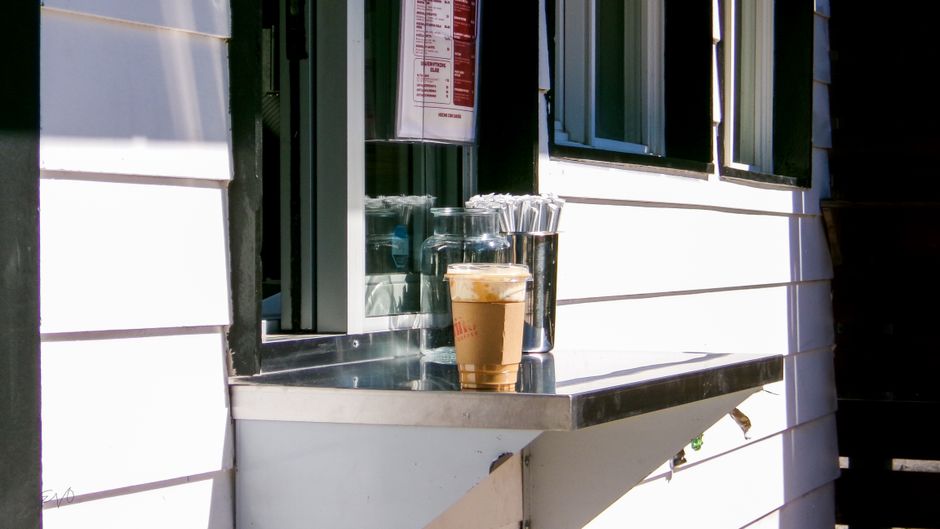
This is my morning café. The one I walk to from my hotel when my first appointment is at 11 and I need somewhere to sit for an hour beforehand. It's a quiet two-story place a few blocks behind the main Apgujeong Rodeo strip — the kind of spot where the second floor has wide windows overlooking a side street, and almost nobody goes up there before 10:30. The flat white is honest. Not the best I've had in Seoul, but consistent — and consistency on a treatment morning matters more than I want to admit. The cups are heavy ceramic, the milk is real, the wifi works without a phone number sign-up, which is the thing that breaks half the cafés in Korea for foreigners.
What I actually do here: order a flat white and a butter croissant, sit by the window, and answer two emails before I close my laptop and just watch the morning happen. By 10:45 I'm walking to my appointment. The neighborhood feels different on the way out — like I've earned my place in it by ordering coffee like a regular. Four trips in I'm pretty sure the barista with the round glasses recognizes me. We've never spoken in Korean. We probably never will. That's part of the comfort.

The Garosu-gil cardamom-latte place
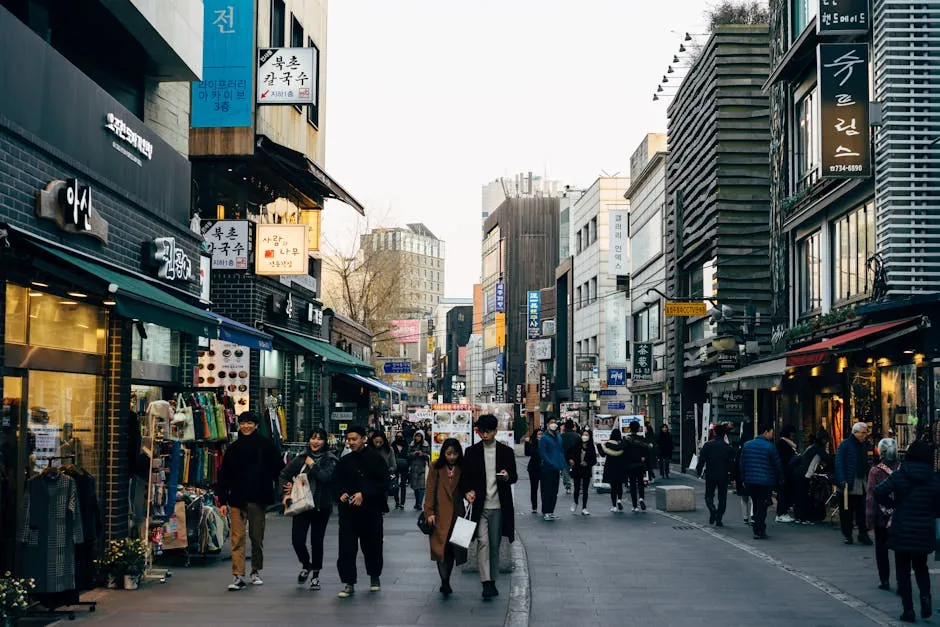
Garosu-gil — the gingko-tree street in Sinsa — has approximately a thousand cafés. Most of them are fine. A few are good. One has cardamom lattes, and that's where I always end up after my afternoon appointments, no matter what season. I think of it as my decompression café. The booth in the back-left corner has soft yellow lighting that doesn't show swelling, which matters when your face has just had ultrasound waves pushed through it for 90 minutes and you're not in the mood to be photographed by strangers' iPhones. The cardamom latte itself is the kind of drink that shouldn't work — earthy, slightly sweet, a little bit medicinal — but it does. I've ordered one in late October with rain on the window. I've ordered one in July in a t-shirt with the AC on. Same drink. Same booth. Same quiet.
This is also where I sit when I'm jet-lagged and the swelling is at its worst on day two or three. The café opens at 9 and stays open until 10 p.m., which is generous by Seoul standards — most cafés here are weirdly closed by 9 if they're not chain spots. I won't name it because I don't want it to get worse, but it's on the Sinsa-end of Garosu-gil, in a building with a small art gallery on the ground floor.
The chain spot I'm not embarrassed about
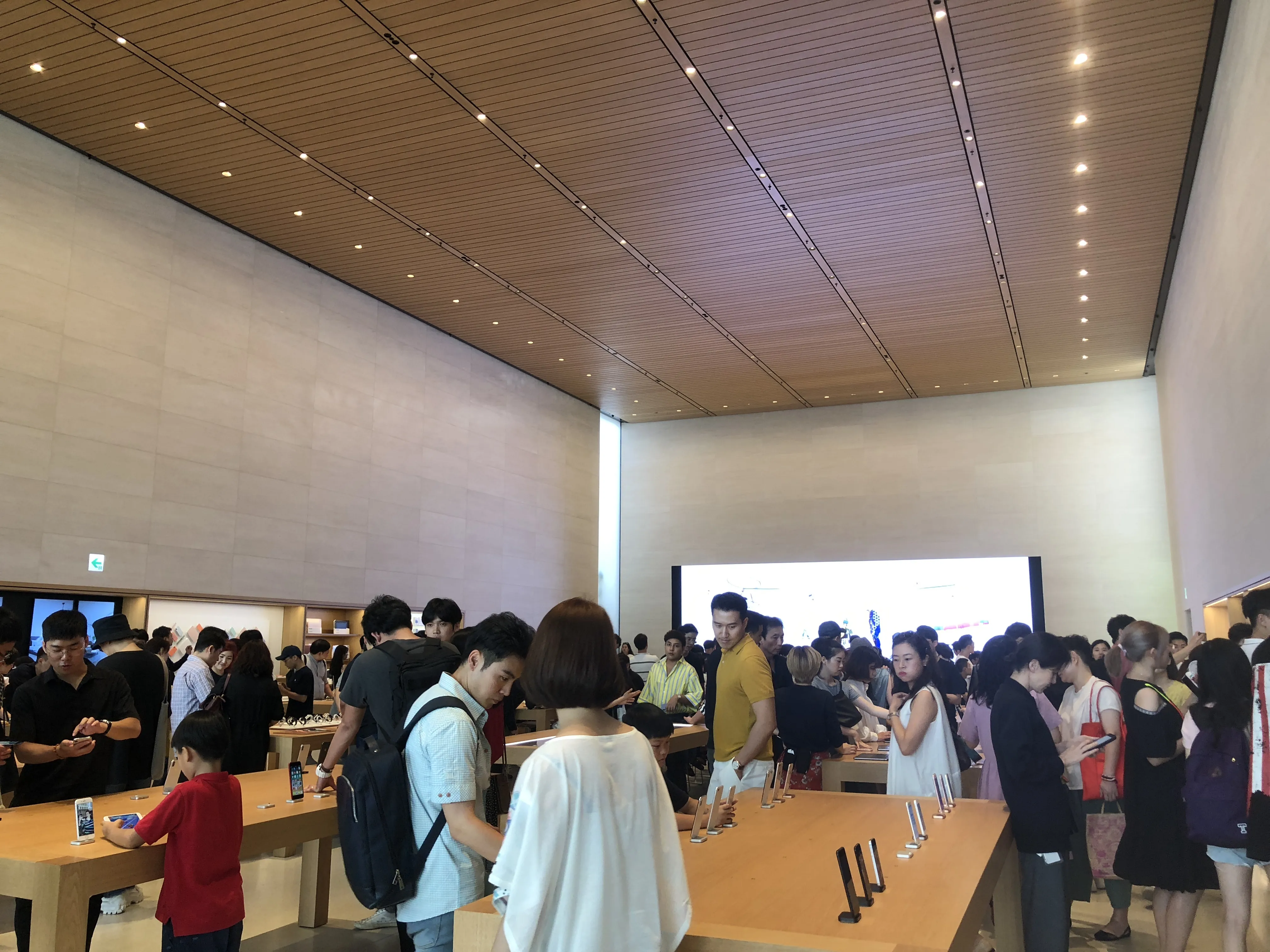
There's a chain — you've seen it, it's everywhere in Seoul, two-syllable name, navy logo — and I'm just going to admit it. I go there. Often. The flagship in Cheongdam is enormous and almost always has open seats, the iced Americano is reliable, and the pastry case has the same butter financier every single time, which after a long flight is a kind of mercy. I used to feel bad about defaulting to the chain on appointment days. I've stopped feeling bad about it. When you have a 90-minute window between two clinic visits in a country where you can't read the menu signage at every indie spot, the chain is a gift. The bathrooms are clean. The wifi is fast. The staff don't blink when you order in English. Some days that's the whole game.
The specific branch I go to is on the second floor of a building across from a hotel I've stayed at twice. The window seats look down onto a quiet residential street with cherry blossoms in April. It's not romantic. It's not aesthetic. It's just steady. And on day two of a treatment trip, when my face is tight and I can't quite remember what city I'm in, steady is exactly what I need.
The Dosan Park slow-coffee shop
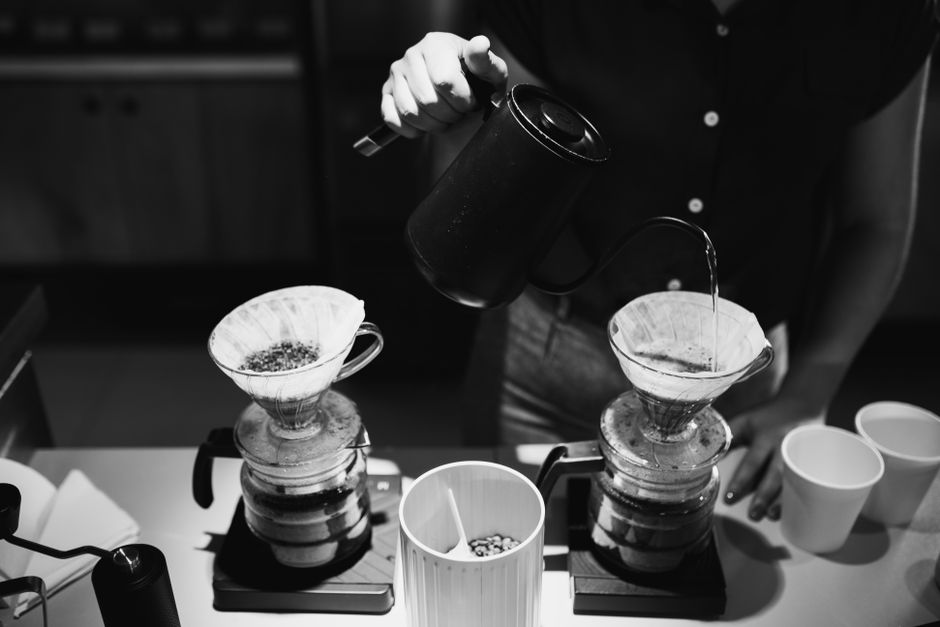
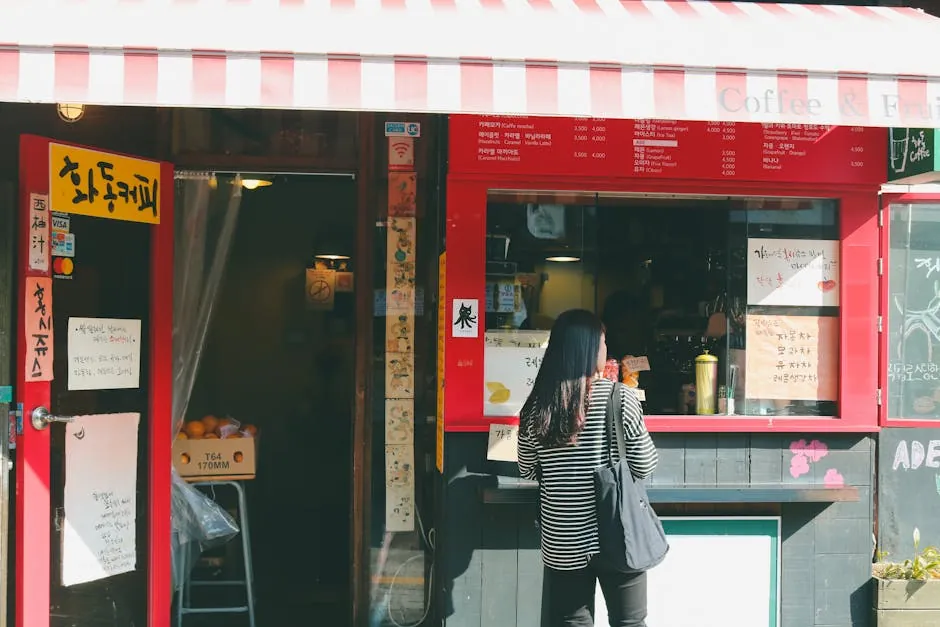
Across the street from Dosan Park there's a small specialty roaster — one of those tiny six-seat places where the barista pulls each shot like it's a relay race they've been training for. The hand-drip menu has eight beans on rotation and they explain each one without making you feel stupid for not knowing what "washed Ethiopian Yirgacheffe" means. I order the seasonal pour-over and a small almond cookie. It costs about 9,000 won total — roughly $6.50 USD, which is what a coffee costs in Brooklyn anyway, so I've made peace with it.
I come here on the morning of an appointment-free day. Sometimes I walk a slow loop around Dosan Park first, then settle in with a book I won't finish. The shop has classical music on a low volume, the tables are real wood, and the people here are mostly locals on their phones, not tourists with cameras. I once stayed for two and a half hours and nobody side-eyed me about the table turnover. That's rare in Gangnam. I appreciated it then. I still do.
If you're walking down here from Apgujeong Station, give yourself about 12 minutes. The walk is part of the experience — past quiet residential blocks, a tiny art bookstore, a flower shop that always has peonies in spring.

The 24-hour café for late-night writing
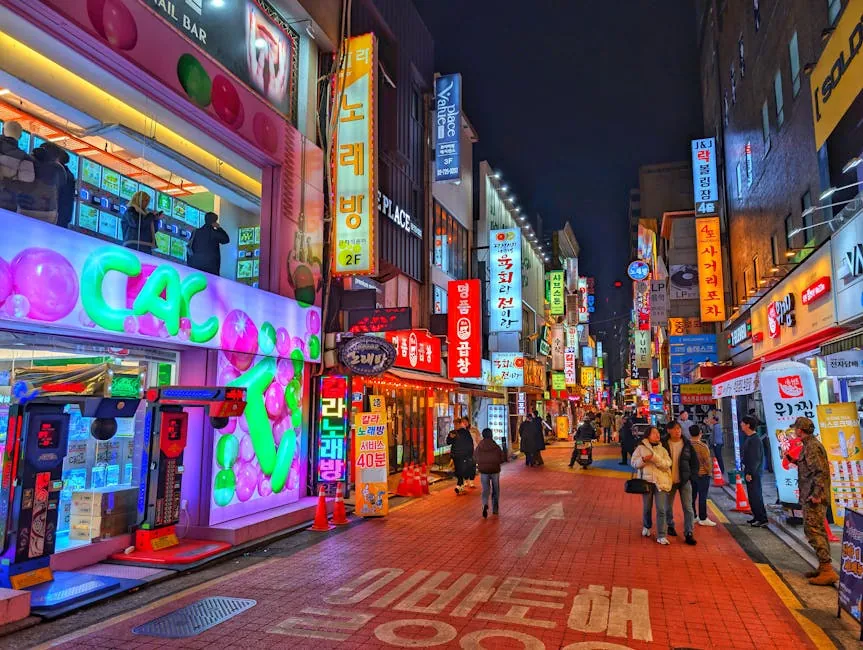
There's a 24-hour café near Sinnonhyeon Station that I discovered on trip two during a jet-lag crash at 2 a.m. I'd woken up at midnight starving and wide awake, walked out of my hotel in a hoodie, and stumbled into this place that had maybe eight other people scattered across two floors — a college student studying for what looked like medical exams, two girls splitting cake, a man in a suit who'd clearly come straight from the office and was staring at a spreadsheet. The vibe was: nobody is judging anyone's life choices here. It's 2 a.m. We're all just trying.
I ordered a hojicha latte and a slice of basque cheesecake and stayed until 4. Wrote 800 words of an essay I'd been avoiding for a month. Walked back to the hotel. Slept. The next morning I had Ultherapy at 11 a.m. and somehow that night-café detour is the thing I remember most about that trip. I've been back on every subsequent trip. The hojicha latte is still good. The cheesecake is still there. The fluorescent lighting upstairs is still slightly too bright, in a way that I now find oddly comforting. It's the only place where I'm guaranteed to find an outlet, a chair, and zero conversation, no matter what time my body insists it is.
Café etiquette I had to learn the hard way
A few practical things I wish someone had told me on trip one. First — Korean cafés generally expect you to order before sitting. Walking in and grabbing a table while you decide is a bit of a faux pas at the smaller places. Order, get your buzzer, then sit. Second — tipping isn't a thing. Don't leave change. Don't slip a 1,000-won bill on the table. The barista will run after you to return it. I've watched this happen. It's mortifying for everyone.
Third — bathrooms are sometimes outside the café, in a shared hallway with the rest of the building. The code is usually on your receipt. Photograph your receipt before you finish your coffee. Trust me on this one. Fourth — most cafés in Gangnam will let you sit for a couple of hours on one drink without commenting, but at peak hours (12-2 p.m. weekends) you should buy a second drink if you're holding a four-top. It's not enforced. It's just nice.
Fifth, and most useful for treatment trips — almost every Gangnam café has at least one corner table with soft, indirect lighting. Ask for it if you can. There's a Korean phrase that roughly translates to "is the window seat available?" — but in practice, just gesturing toward the corner and looking hopeful works. After a morning appointment when your face is doing whatever it's doing, that one small lighting choice changes the whole rest of your afternoon. For the practical version of what to actually plan around appointments, I keep a fuller note in my <a href="/first-time-in-gangnam-american-survival/">first-timer's Gangnam guide</a>.
Why this list isn't longer
I could list 30 cafés. I've been to 30 cafés. But the truth about treatment trips is that you want a small, dependable rotation — not a list of must-visits you'll never get to. Five or six places, each one mapped to a specific mood and a specific time of day, is the thing that actually makes the in-between hours feel like a real trip and not like a layover. The morning café for the appointment-day jitters. The decompression café for after. The chain spot for the day you can't think. The slow-coffee place for the rest day. The 24-hour spot for jet-lag emergencies. That's it. That's the system.
Next trip I'll probably add one more — there's a Hannam-side place a friend of a friend keeps mentioning, and I haven't crossed the river for it yet. Maybe I will. Maybe I won't. The rotation works. The appointments happen. The cafés are part of why I keep flying back, which I've written about more broadly in my <a href="/why-i-keep-flying-back-to-seoul/">Seoul return-trip essay</a> if you want the bigger frame. For now, on trip four, I'm exactly where I want to be — sitting in a window seat with a flat white, watching the morning happen, twenty minutes before I walk to my next appointment.
“Five or six places, each one mapped to a specific mood and a specific time of day, is the thing that actually makes the in-between hours feel like a real trip.”
Rachel Bennett
Frequently asked questions
Are these cafés really near the clinics, or is that just a framing thing?
They're genuinely close. The Apgujeong window-seat café and the Dosan Park slow-coffee shop are both within an 8-10 minute walk of most Apgujeong clinics. The Garosu-gil cardamom place is a short cab ride or 12-minute walk from Sinsa-area clinics. The 24-hour spot is closer to Sinnonhyeon, which is a hike from Apgujeong but useful if you're staying near Gangnam Station.
Can I bring a laptop and work between appointments?
Yes, at four of the six places I mention. The window-seat Apgujeong café, the chain spot, the 24-hour place, and the Dosan Park slow-coffee shop all have reliable wifi and outlets, and nobody minds a quiet laptop user. The Garosu-gil cardamom place is for decompression, not work — it's too small and too dim for serious typing.
Is it weird to go to a café alone in Seoul?
Not at all. Solo café visits are completely normal in Gangnam — half the seats at any given coffee shop are solo people on phones, laptops, or just staring out the window. I've never felt out of place as an American woman alone with a book or a notebook. It's one of the things I love about Seoul café culture.
How expensive are Gangnam cafés compared to LA or NYC?
Roughly the same now, honestly. A flat white in Apgujeong runs about 6,500-7,500 won (~$5 USD). A specialty pour-over at a slow-coffee shop is 8,000-10,000 won. Pastries 4,000-6,000 won each. It's slightly cheaper than Brooklyn or West Hollywood, but not dramatically so. Pricing has crept up in the last few years.
What's the best café for the day right after a treatment when my face is swollen?
The Garosu-gil cardamom-latte place, hands down. Soft yellow lighting, a tucked-away back booth, and nobody looking at you. The chain spot in Cheongdam is also good for day-after recovery — large, anonymous, well-lit but not harsh, with plenty of corner seats. Avoid the slow-coffee place that day; the six-seat layout means everyone sees everyone.
Do Gangnam cafés take credit cards or do I need cash?
Cards work at all of them, including the smallest indie spots. I've used a U.S. credit card at every café I've mentioned without issue. Some smaller cafés also take Apple Pay or Samsung Pay. The Korea Tourism Organization has more practical payment info in their <a href="https://english.visitkorea.or.kr/svc/main/index.do" rel="dofollow">visitor information</a> if you want the full rundown.