Editorial Picks
10 Gangnam Museums I Visit for a Calm Afternoon
Ten lesser-known Gangnam-area galleries and museums I have refined into a calm-afternoon rotation across six trips — what each room is honestly good for, the post-appointment angle, and the small practical notes that decide whether you actually enjoy the visit.
I started keeping notes on Gangnam museums on my second trip, partly because I needed somewhere to put a tender face and a flushed neck for ninety minutes, and partly because the famous places were exhausting in a way I had not expected. Six trips later, the notes have hardened into a working ten-stop rotation. None of these are the museums you read about first. Two are functionally invisible to most visitors. One is in a basement of a corporate building I would not have walked into on my own. This is the calm-afternoon list — the rooms I send myself to when I want low stimulation, gentle pacing, comfortable indoor temperature, and a bench when I need it. The order is roughly the order of how often I actually visit, not a ranking. The right first stop is the one closest to where your day is starting; the right room for any given afternoon is the one whose tone matches whatever your face and your nervous system can take that day. Anything sharper than that is travel-blog language, and the travel-blog language is mostly the part I am trying to leave out of this guide.
What I actually look for in a calm-afternoon museum
A working calm-afternoon Gangnam museum is one where the lighting is soft, the temperature is steady, the floors have benches at sensible intervals, and the soundscape is closer to a library than a tourist site. That is the basic shape. The harder part is finding rooms where the curation does not lean on flash photography, dense crowds, or the kind of high-contrast lighting that makes a face that just had Ultherapy Prime feel worse. I rate every museum on those four things, and I drop one fast if it fails on more than one. I also care about the elevator and bathroom situation, which sounds petty until you realize most of the smaller Gangnam galleries occupy two or three floors of a mixed-use building with one shared elevator and a single bathroom on the lobby level. The good ones have either dedicated facilities or a layout that does not punish a slow afternoon. The ten rooms in this guide all clear that bar. I have ordered them roughly in the rotation I run on a normal trip, from quietest to slightly more social, with the genuinely small detours toward the end. Pick the one that matches the afternoon you actually have, not the one with the highest follower count on Naver.
The minimalist photography room near Sinsa
This is the one I default to when I want a quiet hour and I have nothing on my schedule until dinner. It sits on the third floor of an unremarkable building near the Sinsa side of the strip, with a single show running at any given time, usually black-and-white photography from a Korean or Japanese photographer working in a documentary register. The room itself is maybe a thousand square feet, lit by daylight from a north-facing skylight in the afternoon, and the seating is two long wooden benches placed in the middle of the floor so you can sit and look without standing. I come here when my face is tender and I want soft light. Black-and-white photography is genuinely gentle on a flushed face — no high-saturation walls, no LED overhead spots, no glare. The shows rotate every six to eight weeks, the print quality is consistently good, and the curator is usually in the back room willing to talk if you ask. Entry is free most weeks, occasionally a 5,000 KRW suggested donation when the show is by a touring photographer. I have spent forty-five quiet minutes here on my worst recovery afternoon and walked out feeling actually rested, which is more than I can say for most of Gangnam.
- Entry: free or 5,000 KRW suggested
- Hours: Tue to Sun 11 a.m. to 7 p.m., closed Mondays
- Closest station: Sinsa (Line 3), 8-minute walk
- Best window: weekday 1 to 4 p.m.
The corporate-foundation gallery in the basement of a Cheongdam tower
Number two is a corporate-foundation gallery in the basement of a glass office tower in Cheongdam, the kind of place I would have walked past for years if a coordinator had not pointed me toward it. The foundation runs a quiet program of contemporary Korean art — mostly painting and small-scale sculpture, with the occasional video piece tucked into a darkened corner room — and the basement layout actually works in the visitor's favor: the temperature is steady, the lighting is uniformly low, and the walls are thick enough that the soundscape stays library-quiet even when the lobby above is full. The shows run on a slower rotation than the smaller galleries — usually three to four months per show — which means you can come back across multiple trips and find the same exhibition still up, which I count as a feature rather than a bug. Entry is free. The benches are low and padded. The bathroom is on the same floor, which matters if you are planning to spend an hour and a half. I bring a thin scarf in summer because the basement runs slightly cold; in winter the temperature is just right. The afternoon I came here three days after a treatment with my face still pink and my eye area mildly tender was the afternoon I started recommending it.
- Entry: free
- Hours: Mon to Sat 10 a.m. to 6 p.m., closed Sundays
- Closest station: Cheongdam (Line 7), 5-minute walk
- Best window: weekday 2 to 4 p.m.
The small ceramics museum near Apgujeong
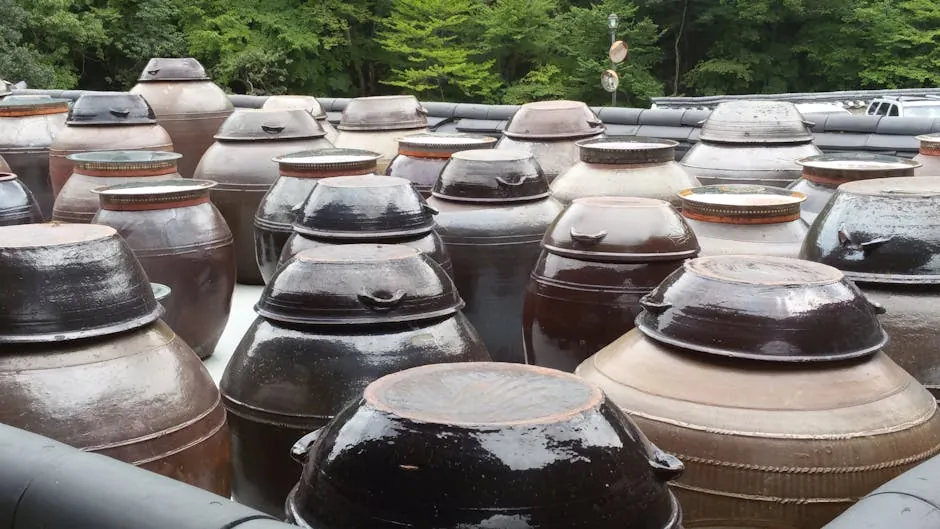
Number three is a small private ceramics museum on the second floor of a converted residence near Apgujeong, with maybe eighty to a hundred pieces on display at any time, organized loosely by period — Joseon white porcelain on one side, contemporary Korean ceramicists on the other, with a small middle room of Japanese tea-ware that rotates seasonally. The lighting is the kind of warm tungsten that flatters a tender face, and the ceiling is low enough that the room reads as intimate rather than institutional. The pacing is genuinely slow here. You can spend thirty minutes in front of a single Joseon moon jar without anyone hurrying you along, and the docent — usually one of the two co-founders — will quietly join you if you make eye contact, then disappear if you would rather look alone. Entry is 8,000 KRW. The seating is two padded benches and one upholstered chair, which is enough for the size of the room. There is a small tearoom on the same floor where you can order a Korean roasted barley tea for 5,000 KRW and sit for another twenty minutes after the gallery, which is the part of the visit I treat as non-negotiable on a recovery afternoon.
- Entry: 8,000 KRW
- Hours: Wed to Sun 11 a.m. to 6 p.m., closed Mon and Tue
- Closest station: Apgujeong Rodeo (Bundang Line), 7-minute walk
- Best window: weekday 1 to 3 p.m.
The design-archive house off Dosan Park
Number four is a design-archive house tucked off a quiet side street near Dosan Park, run as a small foundation by a Korean industrial designer who has been collecting twentieth-century product design for thirty years. The collection is mostly mid-century European and Japanese — chairs, lighting, small objects — laid out across three floors of a renovated townhouse, with the top floor reserved for rotating exhibitions on a single designer or theme. The pacing is slow and deeply object-focused. Each piece has a small typed card in Korean and English with provenance notes that are honestly more detailed than I can absorb on a single visit. The reason I keep this one in my calm-afternoon rotation is the seating. Almost every room has a chair from the collection that is genuinely meant to be sat in — labeled with a small green dot — and the foundation actively wants you to spend ten minutes in a Mogensen lounge chair or a Fritz Hansen wingback and feel what the design is doing. After a treatment, sitting in a well-built chair while looking at well-built objects is a surprisingly restorative ninety minutes. Entry is 12,000 KRW, which is the highest on this list, and worth it for the chair-sitting alone. The top-floor café serves a single drip coffee and a small pastry; both are competent, neither is the point.
- Entry: 12,000 KRW
- Hours: Tue to Sat 10 a.m. to 6 p.m., closed Sun and Mon
- Closest station: Apgujeong (Line 3), 12-minute walk or 4-minute taxi
- Best window: weekday 11 a.m. to 1 p.m.
The textile and craft gallery in southern Apgujeong
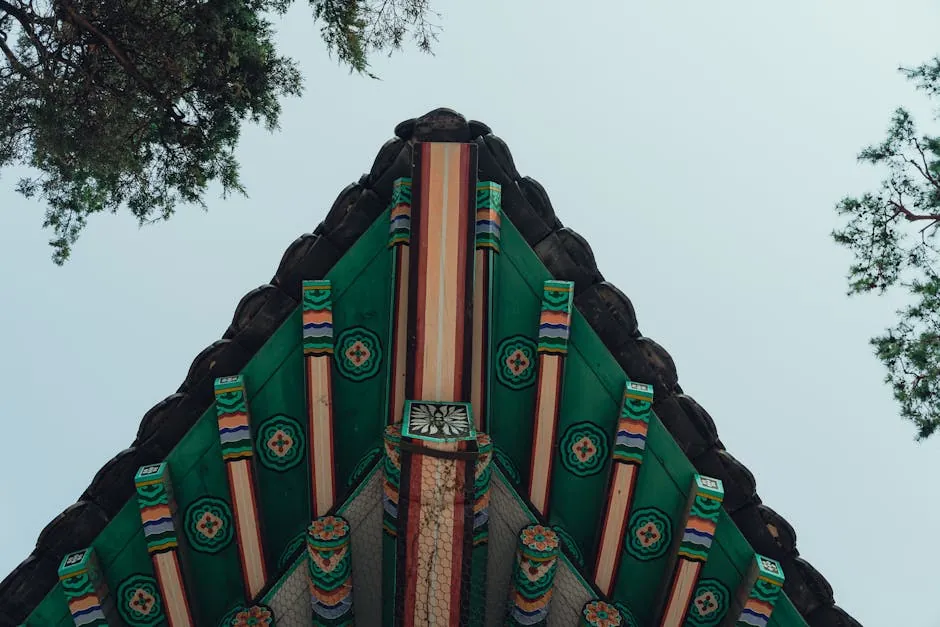
Number five is a textile and craft gallery on the fourth floor of a mixed-use building in southern Apgujeong, focused on contemporary Korean craft — natural-dye textile work, hand-thrown ceramics, lacquerware, and a small rotating selection of Korean traditional bookbinding. The lighting is warm and gallery-soft, the floors are wide-plank wood that absorbs footstep sound, and the rooms are arranged so you can move counterclockwise through the show without ever feeling boxed in. There is a central seating bench in the main room with a long view across the textile wall. The reason this one earns a place is that craft galleries reward slow looking in a way painting galleries do not always. A naturally dyed indigo textile up close, in soft light, with no one rushing you, is genuinely calming. The artists are often present on weekday afternoons working on smaller pieces in the studio space at the back, and you can usually watch from a respectful distance for as long as you like. Entry is 6,000 KRW. The shop sells small craft objects starting around 30,000 KRW for a hand-thrown teacup, which I have brought home from two visits and use almost every morning. The room temperature runs slightly warmer than the basement gallery, which I find more comfortable in fall and spring.
- Entry: 6,000 KRW
- Hours: Tue to Sun 11 a.m. to 7 p.m., closed Mondays
- Closest station: Apgujeong (Line 3), 9-minute walk
- Best window: weekday 2 to 4 p.m.
The contemporary-art annex near Cheongdam
Number six is a contemporary-art annex of a larger Korean foundation, occupying the second and third floors of a building near Cheongdam, with shows that lean toward mid-career Korean and East Asian artists rather than the international blue-chip names you would see at the better-known museums. The rooms are larger than the photography or ceramics galleries on this list — closer to institutional scale — but the visitor count stays low enough on weekday afternoons that you rarely overlap with another person in any single room. The shows are uneven, honestly. Some weeks I walk in and spend an hour with work I keep thinking about for the rest of the trip; other weeks the show does not land for me and I am back out in twenty-five minutes. The annex publishes its rotation schedule on the foundation website, and I have learned to check it before I commit an afternoon. Entry is 10,000 KRW. The seating is generous — a long bench in each large room, plus a couple of upholstered chairs in the corner of the third-floor gallery — and the lighting is uniformly low, which is the part that matters for a recovery afternoon. The bathroom is on the second floor and well kept.
- Entry: 10,000 KRW
- Hours: Tue to Sun 10 a.m. to 6 p.m., closed Mondays
- Closest station: Cheongdam (Line 7), 6-minute walk
- Best window: weekday 1 to 3:30 p.m.
The hanok-style folk gallery near Garosu-gil
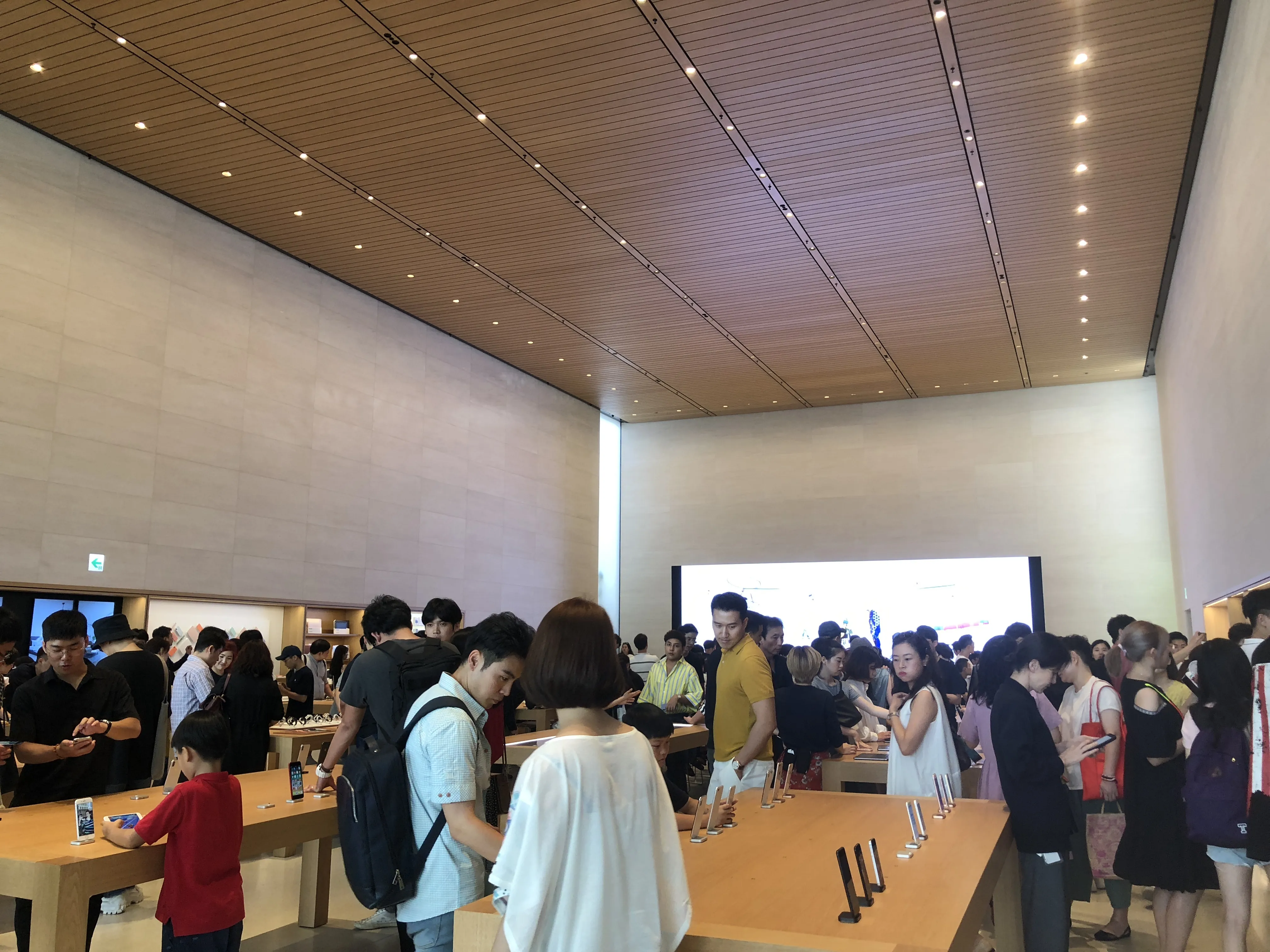
Number seven is a small folk-art gallery in a converted hanok-style building near Garosu-gil, focused on Korean folk painting (minhwa), traditional embroidery, and household objects from the late Joseon period. The architecture is part of the visit — wood beams, a small interior courtyard, paper-screen doors that slide open onto a stone-paved walkway — and the rooms are small enough that the whole gallery takes about forty-five minutes if you are reading every card and twenty-five minutes if you are looking quietly. The pacing is genuinely gentle. There is no flash photography allowed, the lighting is soft and even, the floors are heated traditional ondol-style in winter, and the seating is a low padded bench along one wall of the main room. The folk paintings — tigers, peonies, books-and-scholars motifs — are visually warm and rewarding without being overstimulating, which is a balance not many gallery rooms hit on a recovery day. Entry is 7,000 KRW. There is a small shop selling minhwa prints starting at 15,000 KRW, which I have bought twice and framed at home. The courtyard is a separate small pleasure: ten minutes on a stone bench with a view of the wood eaves, which is the kind of pause that makes the rest of a Gangnam afternoon work.
- Entry: 7,000 KRW
- Hours: Tue to Sun 10:30 a.m. to 5:30 p.m., closed Mondays
- Closest station: Sinsa (Line 3), 10-minute walk
- Best window: weekday late morning
The architecture-and-archive room near Apgujeong Rodeo
Number eight is an architecture-and-archive room on the fifth floor of a building near Apgujeong Rodeo, run by a small architectural foundation with a rotating program on Korean modernist and contemporary architecture — drawings, scale models, photography of completed buildings, and the occasional video walk-through. The room is a single open floor of maybe twelve hundred square feet, with reading desks along one wall stocked with monographs you can sit and look through for as long as you want, and a long bench in front of the model display. The reason this one belongs in a calm rotation is the desk-and-monograph setup. Architecture monographs are quiet objects — large-format, well-printed, gentle to look at — and sitting at a reading desk with a stack of three or four for forty minutes is genuinely restful in a way that walking a gallery is not. The reception staff are quiet, the room temperature is steady, and there is a water station on the floor that I appreciate more than I expected to. Entry is free with a small donation jar at the entrance. I have come here three times across two trips when I needed to sit somewhere that felt like a private library, and it has earned a permanent place in the rotation for that reason alone.
- Entry: free, donation suggested
- Hours: Mon to Fri 10 a.m. to 6 p.m., closed weekends
- Closest station: Apgujeong Rodeo (Bundang Line), 6-minute walk
- Best window: weekday 11 a.m. to 1 p.m.
The small calligraphy and ink-painting room in Cheongdam
Number nine is a small calligraphy and ink-painting room on the third floor of a quiet Cheongdam side street, dedicated to contemporary Korean and Chinese ink work with a slow rotation of solo and two-person shows. The room is intimate — maybe six hundred square feet — and the curation is deliberate enough that you can spend twenty minutes with a single scroll and not feel like you have run out of things to look at. Ink work, like black-and-white photography, is genuinely easy on a tender face. There are no high-saturation walls, no spot-lit color, no overhead glare. The shows rotate every five to six weeks. The curator is in the back office most afternoons and will quietly come out to talk if you linger near a piece for more than a few minutes, then leave you alone if you would rather look. Entry is 5,000 KRW. There is a single low bench in the middle of the room, and the lighting is soft daylight from a frosted-glass window along the south wall. I have spent thirty quiet minutes here on a recovery afternoon and walked out feeling like I had genuinely paused, which is the whole point of including a room like this in a calm rotation. The shop sells small ink-on-paper works starting around 80,000 KRW, which is more than I usually budget but which I have broken twice for pieces I have hung at home.
- Entry: 5,000 KRW
- Hours: Wed to Sun 12 to 7 p.m., closed Mon and Tue
- Closest station: Cheongdam (Line 7), 8-minute walk
- Best window: weekday afternoon
The neighborhood library-museum in Sinsa-dong
Last on the list because I am slightly reluctant to put it on the internet. It is a small neighborhood library-museum on the second floor of a residential building in Sinsa-dong, run as a private foundation by a Korean book collector with an archive of mid-century Korean literary first editions, Korean illustrated children's books from the seventies and eighties, and a quiet rotating display of book design and printing history. There is no signage at street level — just a small wooden plaque next to the elevator buttons — and the room itself is about the size of a generous studio apartment. The librarian-curator runs the desk most afternoons. She remembers your name on the second visit. The pacing is the slowest of any room on this list. You sit at one of the four reading desks, you ask for a specific period or designer, she brings two or three books to your desk, and you sit with them for as long as you like. Entry is free, with a polite request that you not photograph the books. The seating is genuinely comfortable, the light is warm and even, and there is a small kettle and a basket of green tea bags on a side table that visitors are welcome to use. I come here when I want to feel like I have a relationship with a place rather than a transaction. The only reason I am writing about it is that I trust the kind of reader who actually reads to the end of a list of ten museums to also keep their voice down in a quiet room. If that is you, you will know it within the first three minutes.
Side-by-side: the ten rooms on a calm-afternoon list
The matrix below is categorical — it identifies operational shape, not relative quality, and the cells should be read as descriptive rather than ranking. Entry pricing is rough because foundations occasionally adjust, and the right room for any given afternoon is the one whose tone matches whatever your face and your nervous system can take that day. Anyone telling you otherwise is selling the brochure.
| Room | Neighborhood | Editorial direction | Entry tier | Best fit |
|---|---|---|---|---|
| Photography room | Sinsa | Documentary B&W photography | Free / $ | Tender face, soft light |
| Corporate-foundation basement | Cheongdam | Contemporary Korean art | Free | Steady temperature, library quiet |
| Ceramics museum | Apgujeong | Joseon white porcelain + contemporary | $ | Slow looking, warm light |
| Design-archive house | Dosan | 20th-c product design | $$ | Sittable chairs, object-focused |
| Textile and craft gallery | Apgujeong (south) | Contemporary Korean craft | $ | Slow looking, working studio |
| Contemporary-art annex | Cheongdam | Mid-career Korean / East Asian | $$ | Larger rooms, low foot traffic |
| Hanok folk gallery | Garosu-gil | Minhwa, embroidery, late Joseon | $ | Architecture, courtyard pause |
| Architecture archive | Apgujeong Rodeo | Korean modernist + contemporary | Free | Reading-desk afternoon |
| Calligraphy / ink room | Cheongdam | Korean and Chinese ink | $ | Easy on a tender face |
| Library-museum | Sinsa-dong | Korean literary first editions, book design | Free | Slowest pacing, quietest room |
How I sequence these on a calm-afternoon trip
If you only get one piece of advice from this whole post, it is this: do not try to do more than two museums in a single afternoon. The walking, the standing, the cognitive load of looking — it adds up faster than you think, and by the third room the looking turns into glancing, which is not the point. A normal Gangnam day for me is one room in the late morning and one in the early afternoon, with a long lunch and a sit-down coffee in between. I rotate the ten depending on weather, mood, and how my face is doing. A simple working sequence across a five-day trip: the photography room on a quiet Tuesday morning when I just want soft light, the Cheongdam basement on a Wednesday when the temperature outside is unkind, the design-archive house on a Thursday when I want to actually sit, the ceramics museum on a Friday morning before lunch, and the Sinsa library-museum on a Saturday afternoon when I want the slowest possible pacing. I have written a longer breakdown of how I plan a Gangnam day around treatments and meals if you want the timing in detail, including how I handle the gap between consultations without burning a whole afternoon. A few practical rules I have settled into across recovery afternoons. Bring a soft scarf in summer because the corporate-foundation basement and a couple of the larger annex rooms run colder than the smaller galleries. Eat before you go, because almost none of these rooms have on-site food beyond a small drip-coffee station, and walking back out into the afternoon hungry undoes most of the calm you just earned. Keep your phone on silent rather than vibrate, because vibrate is louder than silent in a hardwood-floor gallery. Sit when there is a bench rather than continuing to walk; the visit will hold more if you do.
The post-treatment angle, briefly and honestly
I include a short note on the post-appointment angle because it is a real consideration on a clinic-trip. After Ultherapy Prime or any heat-based procedure, my face is flushed for two to four hours, the skin can feel tight, and direct sun or strong air conditioning are the two things I avoid most carefully. Indoor museums, with their steady temperature, soft lighting, and the option of sitting whenever I want, are honestly the best afternoon plan I have found for the recovery window. I do not visit a museum on the same day as the treatment itself — I want the few hours immediately after to be quiet hotel time — but the day after is genuinely fine, and a room with low light and a low bench is more restorative than any specific aftercare advice I have been given. The rooms I would prioritize on a day-after afternoon are the photography room, the corporate-foundation basement, the design-archive house (specifically for the chairs you are meant to sit in), and the Sinsa library-museum, in roughly that order. The rooms I would skip on a recovery day are the larger contemporary-art annex if it has a heavy-video show running — the dark rooms with high-volume audio are a different sensory category — and the textile and craft gallery if the working studio in the back is busy that afternoon, since the activity level rises noticeably. None of this is medical advice; it is the rotation I have settled into across six trips, and I share it because no one wrote it down for me when I was figuring it out the first time.
Editorial note on what this guide is not
This piece is editorial reading, not a directory, and the ten rooms above are described categorically rather than nominated as the only Gangnam museums worth visiting. The Seoul gallery scene is broader and rotating faster than any ten-stop list can capture, and a room that has not made my regular rotation may be the right room for a different visitor with a different direction. I have written this from the perspective of a returning American patient on her sixth Gangnam trip, with notes from real visits, conversations with curators, and the honest sample size of afternoons I have actually spent in these rooms — not from a press release or a sponsored list. The right calm-afternoon plan is the one that matches your face, your energy, and the specific kind of looking you can do that day. Anything sharper than that is brochure language, and the brochure language is mostly the part I am trying to leave out of guides like this.
“The right room for any given afternoon is the one whose tone matches whatever your face and your nervous system can take that day. Anything sharper than that is brochure language.”
Section: Side-by-side: the ten rooms on a calm-afternoon list
Frequently asked questions
Are these museums good after a treatment day?
Most of them, with a small caveat. I would not visit on the same day as a treatment — those few hours are for quiet hotel time, not standing in a gallery, however soft the light. The day after is genuinely fine, and the rooms I prioritize on a day-after afternoon are the photography room (number 1), the corporate-foundation basement (number 2), the design-archive house (number 4 — for the sittable chairs), and the Sinsa library-museum (number 10). I avoid heavy-video shows on a recovery afternoon because the dark rooms with high-volume audio are a different sensory category. Bring a soft scarf for the colder rooms and eat beforehand.
Do these museums need advance tickets or reservations?
Mostly no for a regular weekday afternoon. Eight of the ten rooms in this list are walk-in friendly any time during posted hours, including the basement foundation, the photography room, and both the architecture and library-museum spaces. The contemporary-art annex (number 6) sometimes runs ticketed slots during the opening month of a major show, so check the foundation website if you are visiting in the first three weeks of a new exhibition. The design-archive house (number 4) recommends booking on weekends but rarely turns walk-in visitors away on weekdays. None of the others require anything in advance.
What hours do these galleries usually keep?
Most run roughly 10 or 11 a.m. to 6 or 7 p.m. with a Monday closure, which is the standard Korean gallery rhythm. The corporate-foundation basement and the architecture archive are exceptions — both close on Sundays rather than Mondays. The library-museum keeps the most flexible hours and you should call ahead. The sweet spot for a quiet visit is weekday 1 to 4 p.m., after the lunch hour and before the after-work crowd. Saturday late mornings (11 a.m. to 1 p.m.) are also surprisingly quiet at most of these rooms; Sunday afternoons fill up faster than the size of the spaces would suggest.
How do I find these without specific names or addresses?
Naver Maps is your friend. Search Gangnam (Gangnam gallery) or (private museum) and filter by recent reviews. The Sinsa, Apgujeong, and Cheongdam neighborhoods have the highest concentration of the smaller foundation spaces. The library-museum and the corporate-foundation basement are harder to find on Naver — both deliberately keep a low public footprint — and the local concierge at most Gangnam hotels will name three or four of these without trouble. Papago handles the language at the entrance, and most foundation desks have at least one staff member comfortable in basic English.
Are these museums good for solo visits or better with a friend?
All of them work solo. As a solo woman traveler, I have never felt out of place in any of these rooms; the foundation-gallery culture in Gangnam is genuinely accommodating to slow individual visitors in a way that the major museums sometimes are not. A few are explicitly better solo — the photography room, the calligraphy room, and the library-museum reward a quiet single visit more than a conversation. The textile-and-craft gallery and the hanok folk gallery work well with one friend if you both keep your voices low. The corporate-foundation basement is genuinely fine either way.
What does an honest budget look like for an afternoon of these museums?
Modest by Gangnam standards. Five of the ten are free or donation-based; the paid rooms run 5,000 to 12,000 KRW per entry, which is roughly $3.70 to $9 USD at current rates. A typical two-museum afternoon runs 10,000 to 20,000 KRW in entries plus 5,000 to 10,000 for tea or coffee in between. Budget 30,000 to 45,000 KRW total for a calm afternoon including transport between rooms. That is meaningfully under what a single Apgujeong specialty meal costs, and it buys you four to five hours of the most restorative time you can spend in this neighborhood — which is a value calculation I had not appreciated until my third trip.
Are the bathrooms and bench situations actually usable across these rooms?
Mixed but workable, and worth checking before you commit ninety minutes. The corporate-foundation basement, the contemporary-art annex, the architecture archive, and the design-archive house all have dedicated bathrooms on the gallery floor. The photography room, the ceramics museum, the calligraphy room, and the library-museum share building bathrooms one or two floors below — quick elevator ride, usually fine. Benches are good across the list except the hanok folk gallery (one bench, often occupied) and the textile gallery (one central bench, plus the studio area). Number 4 has the most generous seating and the best chair-sitting experience by a wide margin.
Why does this guide not name the museums directly?
Two reasons. The first is editorial — small foundation galleries change shows, hours, and even addresses on a slower cycle than commercial venues, and naming a specific space in a guide that may sit on the internet for years is less useful than describing the operational shape clearly enough that you can ask a coordinator or hotel concierge for the current address. The second is practical — two of the rooms in this list deliberately keep a low public footprint and prefer foot traffic that arrives by referral rather than viral posts. If you are flying in for a calm afternoon and want addresses, the front-desk concierge at most Gangnam hotels can name four or five of these without trouble.