
Editorial Picks
12 Rainy-Day Plans in Gangnam I Actually Do
After three Seoul trips and an embarrassing number of soaked sneakers, here are the twelve indoor plans I actually run when the weather turns — what each one is good for, where it falls short, and how to sequence them across an afternoon.
Seoul rain is not San Francisco drizzle. When the sky opens up over Gangnam, it opens up — usually in July or early August, occasionally in late September, sometimes in a thirty-minute deluge that floods the metro stairs and turns Garosu-gil into a small river. I have learned the hard way that trying to push through with the original outdoor itinerary is a recipe for soaked shoes and a wasted afternoon. After three trips and a respectable amount of standing under awnings, I have a working list of twelve indoor Gangnam plans I actually run when the rain hits. None of these are sponsored. A few of them I rate higher in the rain than I do on a sunny day, which is part of why this list exists. I have ordered them by the kind of afternoon they fit best — quiet to social, solo to with-a-friend, post-treatment-gentle to whole-day-commitment.
What makes a Gangnam rainy-day plan actually work
A working Gangnam rainy-day plan is one where the indoor space is large enough to absorb a few hours, the entrance is close enough to a covered transit option that you do not arrive already soaked, and the seating or pacing holds up after the first hour. The scale matters more than people expect. A small cafe is fine for forty-five minutes, but Seoul summer rain often runs in three-hour bursts, and a cramped indoor space starts to feel claustrophobic by hour two. The good rainy-day plans give you room to move, reset, and re-caffeinate without putting on a wet jacket again. I also weight subway proximity heavily. Gangnam, Sinsa, Apgujeong, and Samseong stations all have generous underground exits that let you cover most of a half-mile radius without ever stepping into the rain — IFC-style underground walkways are not unique to Hong Kong, and Seoul uses them well. The twelve plans below all clear that bar. I have ordered them roughly by the afternoon they fit best, from a slow solo morning through a working afternoon and into an early evening with company. Pick the one that matches the rain you actually have — a forty-minute squall is a different problem than a six-hour soak.

1. The big bookstore for a slow solo morning
This is my default first-move on any rainy morning where I have nothing else booked until lunch. Kyobo Book Centre at Gangnam Station has a generous English-language section, a comfortable reading bench area near the back that locals know about and tourists usually miss, and a connected stationery section that absorbs another forty-five minutes of pleasant browsing. The lighting is gentle. The flooring is soft. The temperature in summer is a relief from Seoul humidity, and in winter it is the right kind of warm. I have sat on the same back-corner bench for two hours with a stack of essay collections and felt zero pressure to leave. What makes this work in the rain specifically: the entire store connects directly to Gangnam Station's underground concourse, so you can arrive completely dry from any subway exit. There is also a coffee counter near the front that does a clean iced Americano, which is a low bar but one that surprisingly many large bookstores fail to clear. Bring a book you have been meaning to start. Buy one if you did not bring one. The Korean cover designs are worth the trip on their own, and the small notebook section near the stationery wall has the kind of spiral-bound things I cannot find at home.
- Iced Americano at the coffee counter: 5,500 KRW
- Korean essay collection (translated to English): 18,000 to 24,000 KRW
- Spiral-bound notebook (the good kind): 8,000 to 14,000 KRW
- Best window: weekday 10 a.m. to 12:30 p.m., before the lunch crowd arrives
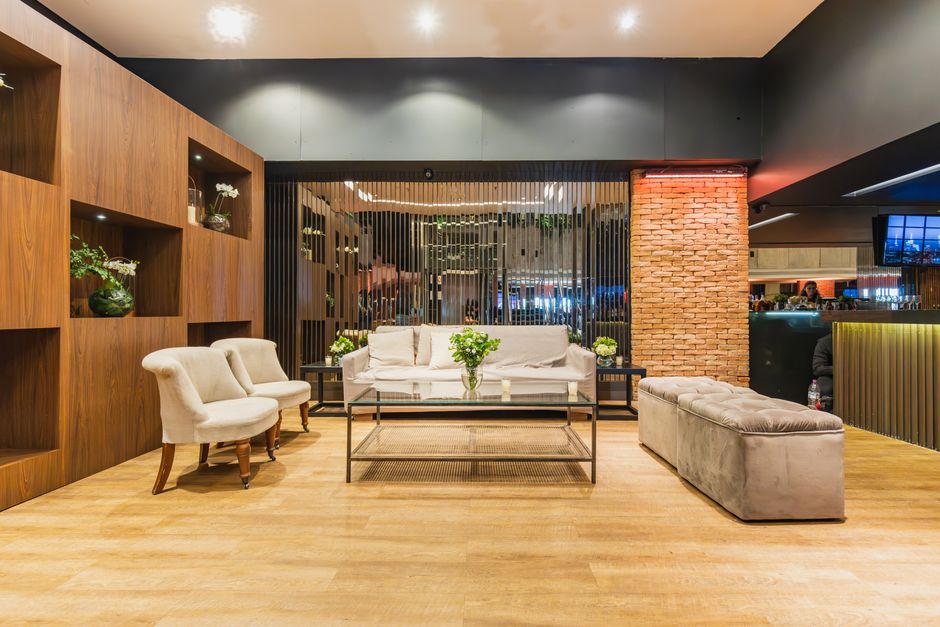
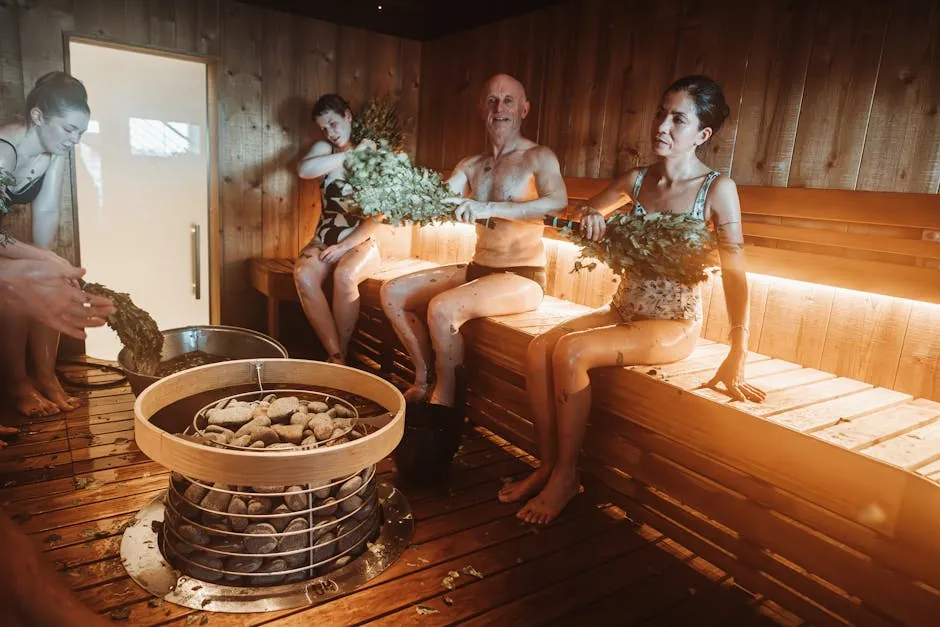
2. The luxury jjimjilbang for a treatment-recovery afternoon
If the rain hits the day after a treatment and my face is still tender, I head to one of the upscale Cheongdam-area jjimjilbangs that emphasize the dry sauna and lounge program over the hot pools. The good ones have a separate lounge floor with heated stone beds, low ambient lighting, free water and tea, a quiet zone where you can actually sleep, and a small healthy-food canteen if you get hungry. The dry sauna at moderate temperature is gentle enough to do the day after Ultherapy without overheating the treated area, but I always check with my clinic first before booking heat exposure within seventy-two hours of any energy-based treatment. What makes this work in the rain: you are committing to four to six hours indoors, which is exactly the size of a serious Seoul rainstorm. The covered drop-off at the entrance means you arrive dry. The locker system is genuinely well-organized. The lounge floor is comfortable enough that I have fallen asleep there twice, which is more than I can say for any of the actual hotel beds I have stayed in. Skip the very hot pools and the high-temperature kiln saunas if you are post-treatment. The cold pool is fine after twenty-four hours. Bring a soft cotton headband if you have any flushing — the towel they provide is not always gentle on a recently treated face.
- Entry (lounge + dry sauna): 28,000 to 45,000 KRW
- Body scrub add-on (skip if treatment-recovery week): 35,000 to 60,000 KRW
- Quiet sleeping room: usually included
- Best window: 1 to 6 p.m. on a heavy-rain day
3. The mall I do not love but use every trip
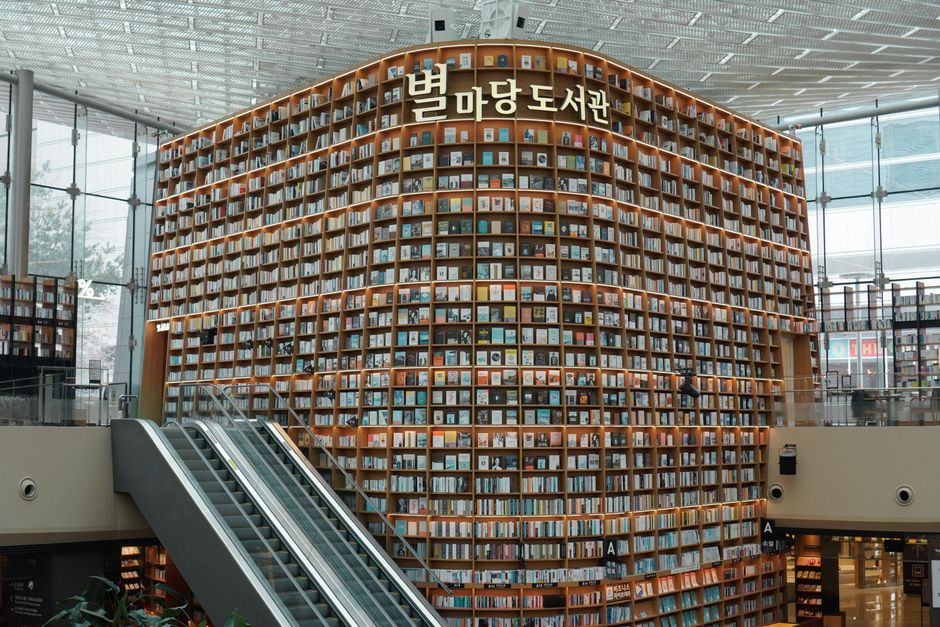
I will not pretend COEX is my favorite Gangnam afternoon — it is genuinely confusing to navigate, the food court can feel overwhelming at lunch, and the Starfield Library photo crowd is a real thing on weekends. But on a rainy day with a friend who wants variety, COEX is unbeatable. You can spend four hours there without repeating yourself: an hour in the library, an hour at the aquarium if you have not done it, a meal at one of the better food court counters, an hour of bookstore browsing at the Bandi & Luni's, and a coffee at any of the eight cafes scattered through the levels. The mall connects directly to Samseong Station via underground walkway, so you arrive and leave completely dry. My practical advice: download a map of COEX before you go in, screenshot the three or four anchor points you actually want to hit, and pick a meeting spot in advance if you are with company. The signage is improving but still gets overwhelmed by the scale of the place. Aim for a weekday if possible — weekend afternoons at the library and the aquarium are crowded enough that you will spend forty minutes of your three hours waiting in lines, which is exactly the wrong way to spend a rainy day. I rate this one higher in the rain than out of it, because the indoor scale that feels excessive on a sunny day becomes a feature when the alternative is getting drenched.
- Mall entry: free
- Aquarium ticket: 33,000 KRW adult
- Food court meal: 12,000 to 18,000 KRW
- Best window: weekday 11 a.m. to 4 p.m., avoid weekend afternoons

4. The art museum for a quiet hour or three
Leeum Museum of Art is technically Hannam-dong rather than Gangnam proper, but a fifteen-minute taxi from Apgujeong gets you there door to door, and on a rainy day I count it as Gangnam-adjacent because the building itself is the entire experience. Three buildings, three architects, one of the best museum cafes in Seoul, and a permanent collection that mixes traditional Korean ceramics with contemporary installations in a way that rewards slow walking. The rotating special exhibitions range from excellent to genuinely transporting. I have spent a whole rainy afternoon there twice and felt I left things on the table both times. What makes this work in the rain: the buildings are connected by covered walkways, the cafe and gift shop absorb another hour, and the exhibition pacing is naturally slow. You are not going to feel rushed. The museum is also relatively quiet on weekday mornings — I rarely wait more than five minutes at the entrance, and the galleries themselves give you enough room to actually look at the work. Skip the headphones if you can — half the rotating exhibits are visual enough that the audio guide adds noise rather than clarity. Wear comfortable shoes. The slate floors are beautiful but unforgiving, and on a long visit you will feel them.
- General admission: 20,000 KRW
- Special exhibition add-on: 10,000 to 15,000 KRW
- Museum cafe coffee: 7,500 KRW
- Best window: weekday morning, 10:30 a.m. to 1 p.m.

5. The hotel lobby tea for a meeting-up afternoon
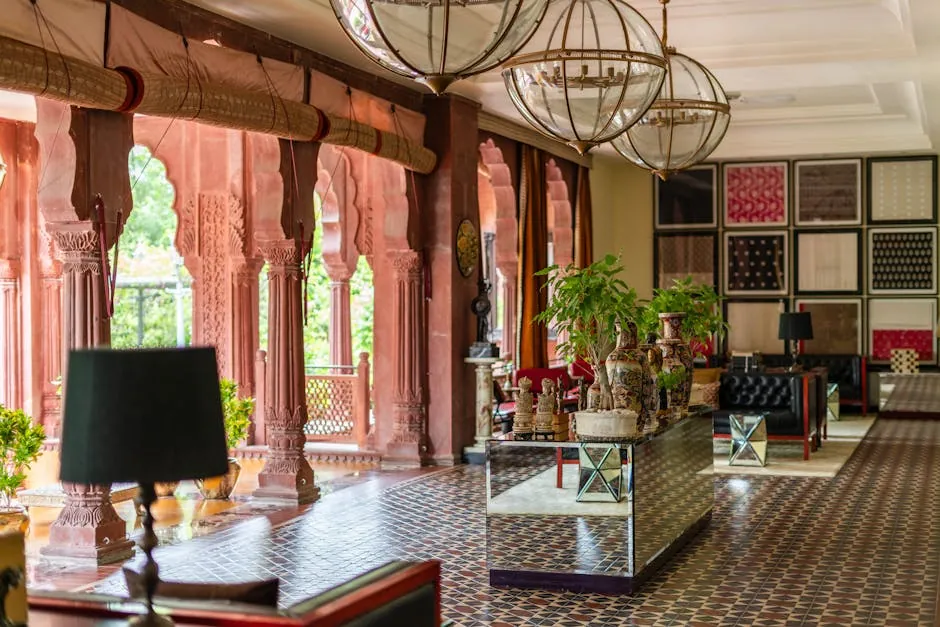
When I am meeting a friend on a rainy day and we both want somewhere comfortable, generous, and not crowded, I default to the lobby tea program at one of the Cheongdam business hotels. The five-star lobbies — there are three I rotate between — all run a daytime tea or coffee service that is meaningfully cheaper than the formal afternoon tea while still giving you a beautiful setting, comfortable seating, and a service standard that does not push you out after an hour. You order a pot of tea or two coffees, maybe a small pastry plate, and you can sit for two hours without anyone hovering. What makes this work in the rain: the lobby is a real lobby, with high ceilings, soft lighting, and chairs that actually fit a body. The taxi drop-off is covered. The lobby restrooms are clean and you do not need a key. Most importantly, none of these hotels treat a drop-in tea customer differently from a hotel guest, which is an underrated quality of the Korean hospitality standard. I have caught up with friends here for two hours over a single pot of jasmine tea and a shared lemon tart and walked out feeling like I had done something nice. Skip the formal three-tier afternoon tea unless you are in the mood for it — it is a different commitment, both in time and money.
- Pot of tea (jasmine, oolong, sejak green): 14,000 to 22,000 KRW
- Pastry plate: 18,000 to 28,000 KRW
- Drip coffee: 12,000 to 16,000 KRW
- Best window: 2 to 5 p.m. on a rainy weekday

6. The high-end stationery store I lose hours in
Number six is for the rainy day when I want something low-stakes and tactile. Korean stationery culture is on a different level — the design, the paper quality, the obsessive attention to small details on a 4,000-won notebook — and there are two or three concept stationery stores in Sinsa and Apgujeong that are essentially museums you can shop. I will not pretend I need another notebook. I will admit I leave with one almost every trip. The pen wall alone is worth a forty-five-minute browse, and the stickers and washi tape section is genuinely creative in a way American stationery is not. What makes this work in the rain: small enough that you do not get tired, but designed for browsing, so an hour does not feel forced. The good ones also have a small in-store cafe or at least a coffee counter, so you can sit for fifteen minutes between rounds. None of them are pushy. Most have at least one staff member comfortable in basic English, and they are happy to let you handle pens before you commit. Bring an umbrella anyway — most of these stores are on side streets that are a few minutes' walk from the nearest covered subway exit, and the small puddles on Sinsa side streets are deceptively deep after a real rain.
- A5 spiral notebook (the good kind): 8,000 to 16,000 KRW
- Fountain pen (entry-level): 25,000 to 60,000 KRW
- Washi tape (small): 3,500 to 6,000 KRW
- Best window: weekday afternoon, 1 to 4 p.m.

7. The basement food hall for a long lunch
Galleria and Hyundai department stores both have basement food halls that locals use as actual cafeterias, and on a rainy day they solve the lunch problem in a way that is more interesting than any single restaurant. You walk past twenty counters of carefully prepared Korean food — seasonal banchan, hand-pressed dumplings, the good kimbap, hot soup that is not just convenience food — and you build a tray that costs less than a single sit-down meal. The seating areas have improved a lot in the last few years; both locations now have decent communal tables with reasonable space and clean trays. The hot soup is genuinely good, and on a cold rainy day the seolleongtang counter is medicine. What makes this work in the rain: the basements connect directly to the subway concourse, so you arrive and leave completely dry. The variety means you can come with a friend who has dietary restrictions and still both eat well. The pacing is faster than a sit-down lunch but slower than a food-court grab — you take twenty minutes choosing, twenty-five minutes eating, fifteen minutes browsing the dessert and bread counters, and you have used a full hour without feeling rushed. Skip the prepared sushi unless you have checked the made-by time. Go for the warm food and the rice dishes. Bring small bills if you can — the queue moves faster when you do not need card-machine time at every counter.
- Hot soup (seolleongtang, kalguksu): 12,000 to 18,000 KRW
- Banchan plate with rice: 14,000 to 20,000 KRW
- Hand-pressed dumplings (a small order): 9,000 to 13,000 KRW
- Best window: 12:30 to 2 p.m. weekday, avoid 6 to 7:30 p.m. dinner rush
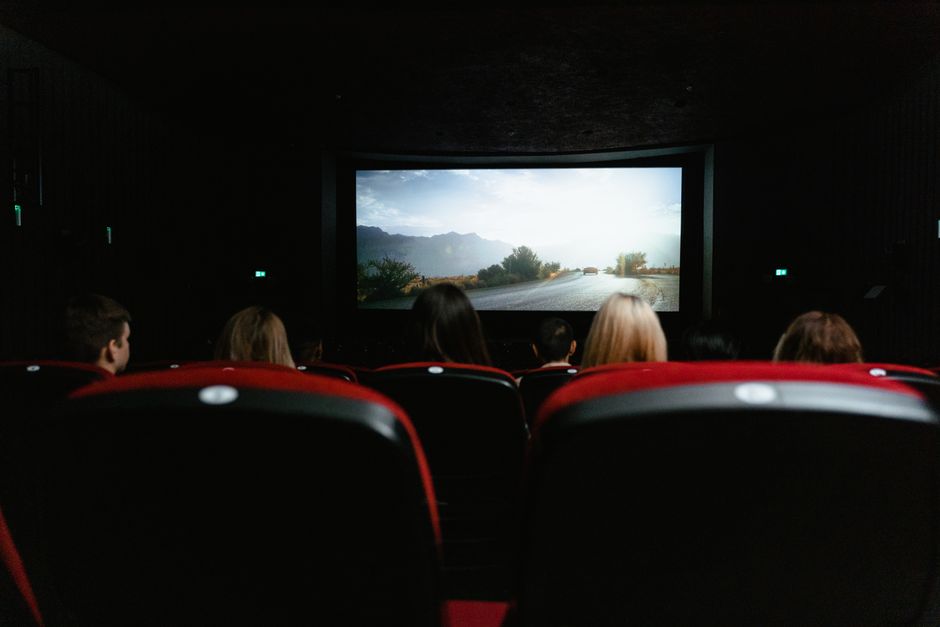
8. The cinema for a mid-rain reset
I will admit I have used a Gangnam multiplex as a rain shelter more than once. Megabox COEX and CGV Gangnam both have premium screening rooms that feel less like a chain cinema and more like a small private theater — reclining seats, generous spacing, and screens that are actually big. Korean release windows include enough English-friendly content that you can usually find a Hollywood film with English audio or a Korean film with English subtitles, depending on which you want. The premium tickets are not cheap, but on a rainy afternoon they buy you two and a half hours of guaranteed indoor comfort, which is a fair price. What makes this work in the rain: it is the only plan on this list that gives you a hard time-bounded escape. You commit to a 2 p.m. show, you reset for 150 minutes, and you walk out at 4:30 with the rain probably tapered. The cinemas at COEX and Gangnam Station both connect directly to underground subway concourses, so you arrive and leave dry. Bring a small snack from a basement food hall before — the cinema concessions are fine but expensive, and the ones at COEX get long lines. Check the seat map on the booking app and pick a center-row aisle seat. The premium recliner spacing is genuinely worth the upgrade if you are settling in for the afternoon.
- Standard ticket: 14,000 to 16,000 KRW
- Premium recliner ticket: 22,000 to 32,000 KRW
- Concession set (drink + popcorn): 12,000 to 16,000 KRW
- Best window: 1:30 or 2 p.m. matinee on a rainy weekday

9. The boutique gallery walk in Cheongdam
Cheongdam has a quiet density of small commercial galleries — six or seven within a four-block radius — that I never properly noticed until my second trip. Most are free, all have polite staff, and the rotating shows are surprisingly strong: contemporary Korean painters, photography, ceramics, occasionally a small installation. None of them take more than fifteen or twenty minutes individually, but stringing four or five together with covered transitions makes for a meaningful two hours. The blocks between them are mostly tree-lined and partially covered by upper-floor overhangs, so a steady drizzle is manageable with an umbrella. What makes this work in the rain: the small scale is the feature. You are not committing to a museum's worth of energy. Each gallery is a self-contained twenty-minute experience, and the in-between walks are short enough that you do not get cold. Most of the galleries have a small reception area with coffee or water — they are not cafes, but on a rainy day a few minutes inside between exhibitions is genuinely welcome. I recommend doing the gallery walk in the early afternoon, then continuing to a Cheongdam hotel lobby tea (number five) to round out the day. Heavy rain makes this harder. Steady drizzle makes it perfect.
- Gallery admission: free at most, occasional 10,000 KRW special show
- Catalog or small print: 25,000 to 80,000 KRW if you find one you love
- Walking time between galleries: 4 to 8 minutes each
- Best window: 1 to 4 p.m. on a drizzle day, skip in heavy rain

10. The bathhouse-only afternoon if my face is fine
If I am between treatments and my face is fully recovered, a traditional Korean bathhouse — the more local kind, not the spa-resort version in number two — is one of my favorite rainy-day commitments. Two hours in a series of warm and cool pools, a basic body scrub if I want it, a soft change of clothes after, and I walk out feeling reset in a way no other indoor plan replicates. There are three or four neighborhood bathhouses I rotate between, all within a fifteen-minute walk of a subway exit, all charging local prices rather than tourist prices. The infrastructure is basic but spotless. The other guests are mostly local women on a regular routine. What makes this work in the rain: the indoor temperature contrast is exactly what your body wants when the weather outside is gray and damp. You do not need to bring much — most bathhouses provide a locker, a thin cotton uniform, and basic toiletries. I always bring my own face cleanser and a soft headband, but the rest can be supplied. Skip the steam rooms if you have any active treatment recovery happening, and do not do a body scrub the day before or after Ultherapy or any energy-based treatment. The bathhouses are cash-friendly, which I find easier than trying to use a card with wet hands. Bring 30,000 in small bills.
- Local bathhouse entry: 12,000 to 22,000 KRW
- Basic body scrub (skip if treatment-recovery): 30,000 to 45,000 KRW
- Cotton uniform + locker: included
- Best window: 11 a.m. to 2 p.m. or 4 to 6 p.m., avoid 7 to 9 p.m. local rush

11. The ramen-and-novel afternoon at a quiet restaurant
Sometimes the rainy-day plan is just a single restaurant, a hot bowl, and ninety minutes with a book. There are two or three small Japanese-run ramen shops in Apgujeong and Sinsa where the host does not push you to leave, the counter seating is comfortable, and the soup is good enough to be the whole reason for the afternoon. I order a tonkotsu or a shoyu, a half-portion of gyoza, a small beer if I am not working later, and I stay for an hour and a half. The host pretends not to notice the book. The other counter seats fill and empty around me. The rain on the front window does most of the entertainment. What makes this work in the rain: the scale is exactly right. Smaller than a museum, larger than a cafe, focused enough that you do not feel obligated to perform productivity. The ramen counters I prefer are a five-minute walk from a subway exit, but mostly under awnings or covered passages, so a moderate rain is fine without an umbrella. Bring a paperback rather than a phone. The light is gentle enough for reading, and the visual rhythm of the kitchen is more interesting than any feed. I rate this one higher than I would have predicted before my second trip, when a rainy Saturday and a ninety-minute ramen sitting taught me how much I had been overscheduling Seoul.
- Tonkotsu or shoyu ramen: 13,000 to 17,000 KRW
- Half gyoza: 6,000 to 8,000 KRW
- Small beer: 7,000 to 9,000 KRW
- Best window: late lunch, 1:30 to 3 p.m., off the main rush
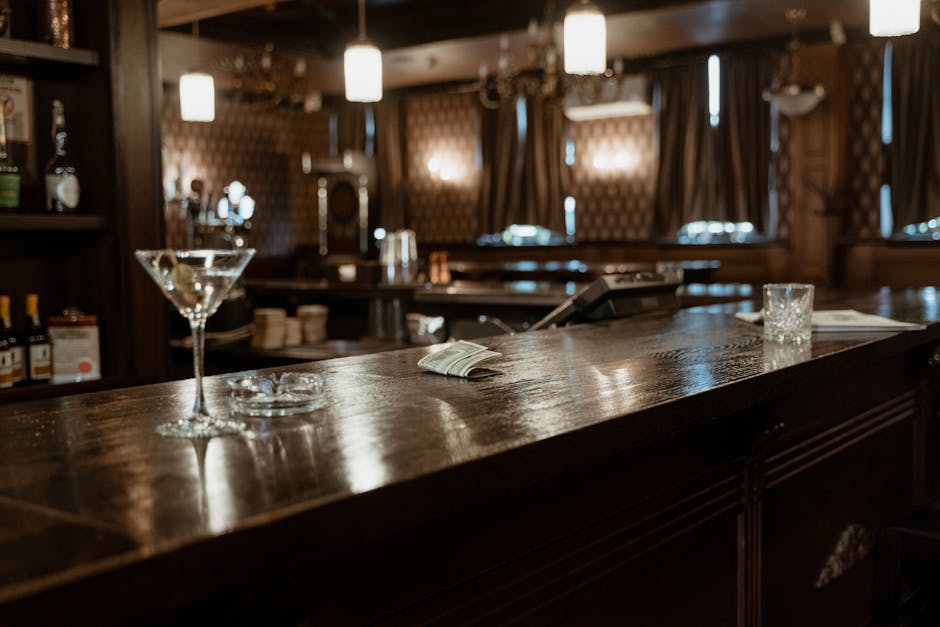
12. The early-evening bar cart at a quiet hotel
Last on the list is the closer — the rainy-evening drink at a small hotel bar that I save for the end of a long indoor day. Two of the boutique hotels in Cheongdam and one in Hannam run a quiet bar program that is meaningfully different from the louder rooftop bars in the same neighborhoods. Low lighting, soft seating, a thoughtful cocktail list, a bartender who is happy to make a low-ABV option if you ask, and the kind of background music that lets you actually have a conversation. I go with a friend, we order one cocktail each and a small snack plate, and we stay for an hour and fifteen minutes. The rain outside is the soundtrack. What makes this work in the rain: the small scale and slow pacing are exactly what you want at the end of a day spent indoors. The taxi drop-off is covered. The bar itself is genuinely a refuge, not a scene. Most importantly, none of these places card-shame you for ordering a single drink. The cocktail menus are smart but not pretentious — Korean ingredients used carefully, classic builds executed cleanly, and a few non-alcoholic options that are worth the same price. Bring cash if you can. Tip is not expected, but a 5,000-won round-up on a card is appreciated. I have ended more good rainy days here than anywhere else on this list.
- Cocktail: 22,000 to 32,000 KRW
- Non-alcoholic option: 14,000 to 20,000 KRW
- Small snack plate (olives, nuts, charcuterie): 18,000 to 28,000 KRW
- Best window: 6:30 to 8:30 p.m., before the dinner-after crowd
How I sequence these across a rainy day
If you only get one piece of advice from this whole post, it is this: do not try to do more than three of these in a single rainy day. The transit time, the umbrella negotiation, the resetting after each one — it adds up, and by the fourth you are tired and slightly damp and you have lost the thread. A normal heavy-rain day for me is two indoor plans and a long lunch in between, with the bar at the end if I am feeling social. I rotate the twelve depending on whether I just had a treatment, whether I am alone or with company, and how much rain is actually falling. A simple working sequence for a real Seoul rainstorm: bookstore at 10 a.m., long basement-food-hall lunch at 12:30, museum at 2 p.m., hotel lobby tea at 4:30, bar at 7. That is five plans across nine hours, which is more than I would normally do, but the rain does the work of keeping everything indoors and the transitions are all underground or covered. I have written a longer breakdown of how I plan a Gangnam day around treatments and weather if you want the timing in detail, including how I handle gaps between consultations on a rainy week.
Frequently asked questions
Are these rainy-day plans good after a treatment day?
Some of them, with care. The bookstore, hotel lobby tea, museum, gallery walk, stationery store, basement food hall, ramen-and-novel afternoon, and quiet hotel bar are all gentle on a treatment-recovery day. Skip the high-temperature jjimjilbang sauna and the body scrub at any bathhouse for at least seventy-two hours after Ultherapy or any energy-based treatment — heat exposure on a recently treated face is not worth the comfort. The cinema is fine if the screening room is well air-conditioned. Always check with your clinic before booking heat or steam exposure within three days of a procedure.
How do I get between these plans without getting drenched?
Three rules. First, the Gangnam, Sinsa, Apgujeong, Samseong, and Cheongdam subway stations all have multiple covered exits — pick the one closest to your destination, not the most familiar one, and you can shave most of the wet-walking. Second, the underground concourses at Gangnam Station and COEX are large enough to cover several blocks without surfacing. Third, taxis are cheap and plentiful in heavy rain — the surge is real but a 6,000-to-8,000-won short ride between two indoor anchors is worth it. Use Kakao Taxi if you do not speak Korean.
Which of these are good for a solo woman traveler?
All twelve, in my experience. As a solo woman traveler I have used every plan on this list at least once and never felt out of place, including the bathhouse and the late-evening hotel bar. Korean indoor culture is genuinely accommodating to solo women — the bookstore, museum, gallery walk, stationery store, basement food hall, and ramen counters are all relaxed about a single woman with a book. The bathhouse is gender-segregated and entirely staffed and used by women. The hotel lobby tea and the quiet hotel bar are both safe and well-lit, and the staff treat solo guests the same as anyone else. I would not skip any of them on a solo trip.
What if it rains for three days straight?
Sequence them by mood and energy, not by location. Day one: bookstore in the morning, basement food hall lunch, museum in the afternoon, hotel bar at the end. Day two: jjimjilbang or bathhouse from late morning through mid-afternoon, ramen-and-novel late lunch, gallery walk early evening if it tapers, hotel lobby tea otherwise. Day three: stationery store in the morning, COEX mall through lunch and into early afternoon, cinema for a 4 p.m. show. That is twelve plans across three days, with one repeat allowed if you really loved one. Do not try to compress this into two days — the third day is what saves the trip.
How do I find these without specific names or addresses?
Naver Maps handles most of it. Search Gangnam (Gangnam bookstore), Cheongdam (Cheongdam gallery), Gangnam (Gangnam jjimjilbang), Gangnam (Gangnam ramen), filter by rating, and sort by recent reviews. The hotel lobbies are searchable by hotel name plus (lounge). Papago handles the language for menus and signage, and most staff in this part of Gangnam are comfortable with basic English. The bathhouse-only neighborhoods are best found by walking a few blocks off the main avenues — the storefront signs are usually small but the locker-room slippers visible at the entrance are unmistakable.
What time of day works best for these rainy-day plans?
Three sweet spots. Late morning, weekday 10 to 11:30 a.m., for the bookstore, museum, and stationery store before the lunch crowd arrives. Early afternoon, 1 to 4 p.m. on a weekday, for the gallery walk, COEX, jjimjilbang, and ramen-and-novel sitting. Late afternoon to early evening, 4 to 8 p.m., for hotel lobby tea, cinema matinee, and the bar at the end. Avoid weekends 12 to 4 p.m. for COEX and the museum — that is peak rainy-day-tourism crowding, and you will spend forty minutes in line at every anchor. Sunday evenings around 6 p.m. are surprisingly quiet across most of these.
Are these expensive?
Most are mid-range by Gangnam standards. A bookstore visit costs 5,500 KRW for a coffee and whatever you buy. The basement food hall lunch is 14,000 to 20,000. The museum is 20,000 plus a special exhibition add-on. The cinema is 14,000 to 32,000 depending on premium upgrade. The jjimjilbang and bathhouse are 12,000 to 45,000. The stationery store is whatever you let yourself spend. The expensive ones are the hotel lobby tea (40,000 to 60,000 with a snack), the gallery walk (free to browse, expensive only if you buy art), and the hotel bar (40,000 to 65,000 with one drink and a snack). Budget 50,000 to 120,000 KRW per plan, which is roughly $37 to $90 USD at current rates. Comparable to mid-range San Francisco indoor afternoons, slightly under Manhattan.
Are bathrooms easy to find at these spots?
Mixed, and worth checking. The bookstore, mall, museum, cinema, and basement food hall all have generous well-marked bathrooms on every level. The hotel lobby tea and hotel bar bathrooms are clean and accessible to non-guests. The jjimjilbang and bathhouse have full locker-room facilities. The gallery walk varies by gallery — most have a small staff bathroom they will let you use, but a few do not, so plan a bathroom break at a cafe between galleries. The ramen and stationery shops usually have a small one but it can be tight. The bar bathrooms are fine. Not a deal-breaker, but if you are doing a long day, factor it in.
What if the rain is just a forty-minute squall, not a real storm?
Stay shorter and lighter. Forty minutes at the stationery store, an hour at the bookstore, or ninety minutes at a basement food hall lunch is enough to outlast a squall, and you will walk out into a freshly washed Gangnam afternoon. Do not commit to the museum, the jjimjilbang, the cinema, or the COEX mall for a forty-minute squall — those are designed for three-to-five-hour weather. Watch the radar app on your phone (KMA, the Korean Meteorological Administration, is the most accurate for short-range forecasting). Most short squalls in Gangnam pass within twenty to forty-five minutes.
Should I bring an umbrella from home or buy one in Seoul?
Buy one in Seoul. Korean convenience stores sell sturdy 5,000-to-10,000-won umbrellas at almost every subway station and at the door of every department store basement. The quality is fine, the size is right, and you do not have to pack one from home. The clear plastic ones at the convenience stores are surprisingly durable in serious wind. The fancier ones at department stores (15,000 to 35,000) are nicer but unnecessary. I usually buy one on the first rainy day of a trip and either leave it in the hotel for the rest of the trip or hand it off to a friend at the end. Do not pack a travel umbrella — Korean convenience-store umbrellas outperform them.
Are there outdoor plans I can still do in light rain?
A few, with caveats. Bongeunsa Temple in light drizzle is genuinely beautiful and the covered walkways handle most of the weather. Han River walks in light rain are surprisingly good if you are dressed for it — fewer people, soft light, and a different visual register than the sunny version. A short Apgujeong walking loop with frequent cafe breaks works in drizzle. None of these are worth doing in heavy rain. The bathhouse-only afternoon is so good in real rain that I would skip the outdoor alternatives entirely once the rain is steady. Save the outdoor walks for the day after a storm, when the air is clean and the light is sharp.