Editorial Picks
8 Late-Night Ramyun Spots Near Gangnam Hotels
Eight categories of post-midnight ramyun within walking distance of the standard Gangnam hotel strip — convenience-store kiosks, 24-hour diners, late kitchens, and the one bunsik shop I keep coming back to at 1 a.m.
I have been flying to Gangnam from California since 2018, and the late-night ramyun question is the one I have answered the most times — for friends, for my mom, for first-time visitors who land at 9 p.m. and find themselves wide awake at 1 a.m. with a hotel mini-bar full of nothing useful. Jet lag in Seoul is a special category. The body wants a hot, salty, soft bowl of something at the exact hour every restaurant in your neighborhood at home is closed. Gangnam, mercifully, is a city that solves for this. There are convenience-store kiosks open 24 hours with steaming-hot ramyun stations, late-night bunsik shops where the kitchen is still firing at 2 a.m., 24-hour gukbap and decongjang places that quietly do ramyun on the side, hotel room-service variants, and a small handful of dedicated ramyun specialty bars that I would put up against any noodle shop in Tokyo or LA. These eight categories are the ones I rotate through, in roughly the order I reach for them when the clock crosses midnight. Nothing is sponsored. Nothing requires a taxi from the standard Sinsa-Apgujeong-Yeoksam hotel strip. A few are walk-five-minutes obvious; one or two took me three trips to find.
How I built this list — and what the criteria actually were
A late-night ramyun list is narrower than a best-of Korean noodles list, and most of the writing online conflates the two. The criteria I used here are specific. First, the place has to be open past midnight on a regular weekday — not just Friday and Saturday, because jet lag does not check the calendar. Second, it has to be inside a fifteen-minute walk of the standard Gangnam hotel cluster, which I am defining as the Sinsa, Apgujeong Rodeo, Cheongdam, and Yeoksam blocks where most American visitors actually stay. Third, it has to serve a real bowl of ramyun — not a fusion riff, not a marketing photo, not a cup version dressed up. Fourth, the broth has to be hot enough to feel restorative when you are eight time zones off your body clock and the staff has to be patient enough that you can point at a picture menu without anyone making it weird. That narrowed the list aggressively. I left off two ramyun bars I genuinely love because they close at 11 p.m. — too early for true jet-lag eating. I left off the Kyochon-style fried-chicken-and-cheese ramyun crossovers because that is a different mood (and a different post). I included one category that some Seoul food writers would not call ramyun at all — the convenience-store kiosks — because for an American jet-lag night, the kiosk bowl at a 24-hour CU or GS25 is the most dependable hot meal in the city, and pretending otherwise would be dishonest. The categories are listed roughly in the order I reach for them on a real night, from the easiest fix to the most considered one. Nothing here is ranked first-to-last; it is sequenced by how desperate I am, descending.
Convenience-store kiosk ramyun — the 24-hour fix
Convenience-store ramyun is the Korean innovation Americans underrate the hardest. Every CU, GS25, 7-Eleven, and Emart24 in Gangnam has a hot-water station with a small countertop kiosk: pick a packet off the shelf, grab a paper bowl from the dispenser, peel the lid, fill it from the dispenser, set the lid on a three-minute timer, and eat at a small counter with a wooden chopstick. The whole transaction costs about 2,000 to 4,500 KRW, takes under five minutes start to finish, and the bowl is hotter than most sit-down kitchens manage at midnight. The default Shin Ramyun is the safest order; Jin Ramyun mild is gentler if you are heat-sensitive; Buldak (fire chicken) is famous on TikTok and a bad idea on a jet-lag night because the spice will keep you up another two hours. The routing matters. The 24-hour CU on the Sinsa side near Garosu-gil has a dedicated ramyun counter with bar stools, a separate trash station, and free hot water and weak coffee, which is the closest thing to a real diner experience the convenience-store category offers. The GS25 across from the southern Apgujeong Rodeo blocks has a smaller setup but is mid-block on a quiet residential street, so the noise level at 1 a.m. is essentially zero. The 7-Eleven near the Yeoksam east-side hotel cluster is the most utilitarian — fluorescent lighting, two stools, no atmosphere — but it is the closest one to most of the business hotels and never closes for any reason I have observed in seven years. Pair the bowl with a triangle kimbap (1,500 to 2,000 KRW) for ten more minutes of eating and a small carton of barley tea or a cold bottle of Pocari Sweat. Total cost: 5,000 to 7,000 KRW. Total time from leaving the hotel lobby to back in bed: about twenty-five minutes if you do not dawdle. A few small notes that took me a couple of trips to learn. The hot-water dispensers are usually set to boiling-hot, not just hot, and the paper bowls insulate poorly — fold the lid back over the bowl for the full three minutes before peeling, otherwise the noodles on top come out underdone. Most kiosks have a small basket of free toppings: a soft-cooked egg (~500 KRW extra at some stores, free at others), a small portion of seasoned scallion, occasionally a packet of roasted seaweed. Add the egg if available. Skip cheese on a jet-lag night because dairy plus instant noodles plus a tired stomach is a combination I have learned about the hard way. The convenience-store category is the most reliably available, the cheapest, the fastest, and — heretical as it sounds — the meal I have eaten more times in Gangnam after midnight than any other on this list.
- Texture: standard instant ramyun, soft after a full 3 minutes
- Temperature: kiosk water is boiling hot — fold lid back, wait full 3 minutes
- Where: 24-hour CU near Sinsa Garosu-gil, GS25 in southern Apgujeong, 7-Eleven east of Yeoksam
- Price: 2,000 to 4,500 KRW for noodles + 1,500 to 2,000 KRW for triangle kimbap
- Best for: any time after midnight, jet-lag wake-ups at 2 a.m., no-energy nights
24-hour bunsik shops — Korean diner ramyun, the real-kitchen version
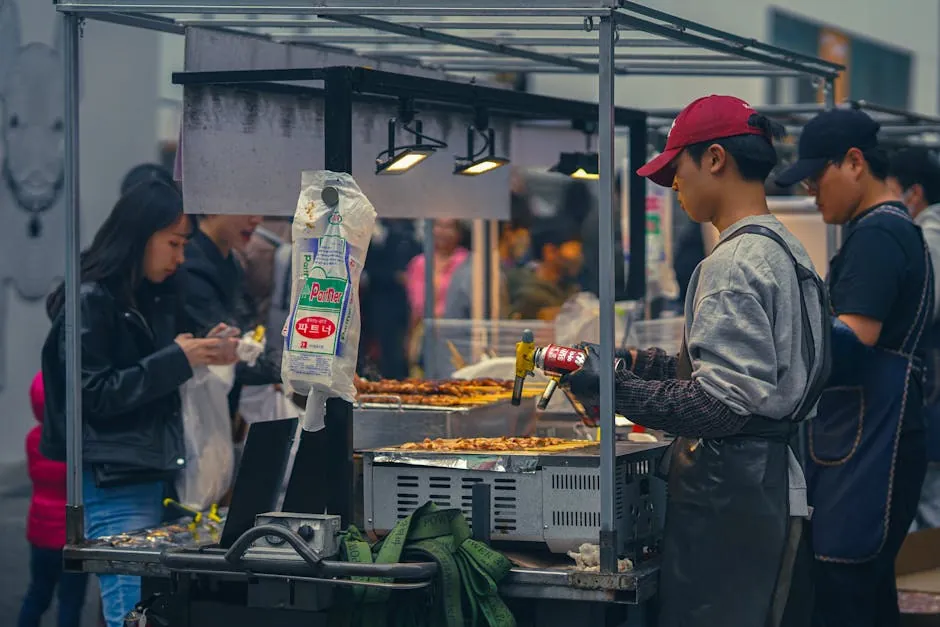
Bunsik is the Korean diner category — small, family-run shops that sell tteokbokki, kimbap, mandu, and a short list of fried snacks alongside three or four ramyun variations cooked to order in a small steel pot. The 24-hour bunsik shops scattered through the Gangnam back alleys are the upgrade from the convenience-store kiosk: the noodles are cooked in real broth (not just hot water poured over a packet), the egg is stirred in fresh, and the kimchi on the side is house-fermented rather than pre-packaged. A pot runs 5,500 to 8,000 KRW, comes to the table in about eight minutes, and is large enough that one person eating alone leaves with about a third of the broth in the pot, which is the only correct way to order it. The specific shop I have been going to since 2019 is on a quiet block south of the Sinsa subway exit, runs a yellow signboard with a hand-lettered menu, and has been open every single time I have walked past after midnight including New Year's Eve and a major holiday whose name I forget. The owner is a woman in her late sixties who does not speak much English and does not need to — point at the picture menu, hold up one finger, and a hot pot of ramyun arrives in eight minutes with a small plate of yellow pickled radish and a tiny dish of kimchi. The default order is plain ramyun with one egg cracked in. Upgrades worth knowing: cheese ramyun (, +1,000 KRW) for a thicker mouthfeel, dumpling ramyun (, +2,000 KRW) for a heartier bowl, and rice cake ramyun (, +1,500 KRW) for the chewy rice-cake texture that softens the noodles. Skip kimchi ramyun on a jet-lag night because the fermented kimchi makes the broth more acidic and the spice punches harder than the standard. The second 24-hour bunsik shop I trust is on the north Apgujeong side, half a block off the main Rodeo strip, and stays open till about 4 a.m. on weekdays. The kitchen is faster — a pot in five minutes — but the broth is slightly thinner than the Sinsa shop, so I lean toward this one when I want to eat fast and walk back, and the Sinsa shop when I want to actually sit. Both serve the obligatory side of yellow pickled radish that is the correct counterweight to any Korean noodle bowl. Pay in cash if you can — the older shops sometimes have a card-machine quirk after midnight that I cannot explain. Total budget for a real bunsik bowl with a side and a drink: 8,000 to 12,000 KRW.
- Texture: instant noodles cooked fresh in real broth, often with egg or cheese
- Temperature: hot, comes in a steel pot — let it cool 4-5 minutes
- Where: small bunsik shops on Sinsa back alleys and north Apgujeong side streets
- Price: 5,500 to 8,000 KRW per pot, plus 1,000 to 2,000 KRW for upgrades
- Best for: 12 a.m. to 3 a.m., when you want a real bowl and a small sit-down moment
Pojangmacha tent ramyun — the outdoor stall, weather permitting
Pojangmacha are the orange-tarp street tents that pop up after dark on certain Gangnam side streets and serve a short menu of soju, soju snacks, and a few hot dishes including ramyun. They are not 24-hour — most close around 3 or 4 a.m. — and they are weather-dependent, which means winter and rain shut a lot of them down. But on a clear summer or autumn night between 11 p.m. and 2 a.m., they are the most atmospheric ramyun option in this category and the closest thing Seoul has to a third-place experience after the bars close. The bowl is plain — basic instant noodles, broth, egg, sometimes a few vegetables — and runs 6,000 to 9,000 KRW. The pojangmacha cluster I trust is on the residential block running south from the Sinsa subway exit, where three or four tents set up on the same block most nights from late spring through early winter. The vibe is fluorescent overhead bulbs, plastic stools, and tables draped in clear vinyl, and at 12:30 a.m. on a Tuesday the regulars are office workers in the last shirt of a long day eating ramyun next to a small bottle of soju they may or may not finish. I have eaten alone here a half dozen times. The owners are unfailingly kind, the bowl is honest, and the broth is hotter than it has any right to be given that it is being cooked on a portable burner under a tarp. A few things worth knowing if you go. Order in basic Korean if you can — (one bowl of ramyun please) — or hold up one finger and point at the menu posted on the tarp wall. Most pojangmacha take cash only, and the price is usually written in chalk on a small board, so confirm before you sit. Soju is the standard pairing and runs about 5,000 KRW a bottle, but if you do not drink, a bottle of water or a Korean barley tea is fine and nobody will judge you. The pojangmacha category is the one I recommend least often to first-time visitors because the navigation requires a little confidence — you have to be willing to walk into an outdoor tent at 1 a.m. and order in pointing-Korean — but it is also the most genuinely Seoul thing on this list, and once you have done it once the friction drops to zero. Skip it in deep winter (mid-December through February) because most stalls do not run, and skip it in heavy rain because the tarps leak.
- Texture: plain instant noodle, broth, egg, sometimes thin vegetable
- Temperature: hot from a portable burner — wait 3-4 minutes
- Where: pojangmacha tent clusters on Sinsa residential blocks, plus a smaller cluster off Yeoksam
- Price: 6,000 to 9,000 KRW per bowl
- Best for: 11 p.m. to 2 a.m., clear weather, the night you want atmosphere
Ramyun specialty bars — the considered, sit-down version
There are a handful of dedicated ramyun-and-noodle bars in Gangnam that take the bowl seriously the same way Tokyo ramen-yas do — house-made stocks, fresh noodles or premium dried noodles, considered toppings — and a couple of them stay open past midnight on weekdays. This category is the upgrade from the bunsik shops and the natural fit when you want to eat a real bowl, sit at a counter, and treat the meal as the destination rather than the recovery. A bowl runs 12,000 to 18,000 KRW depending on toppings. A specialty bar bowl is genuinely two or three tiers above the convenience-store version and one tier above the bunsik version, and the difference is most noticeable in the broth depth and the noodle texture. The specialty bar I default to is on a small alley off the southern Cheongdam side, runs a black signboard with white hangul, and stays open till about 1:30 a.m. on weekdays and 3 a.m. on Friday and Saturday. The menu has six or seven ramyun variations, including a clear anchovy broth, a thicker dwenjang-style broth, a spicy seafood version, and a black-pepper variant that surprised me on first taste. The default order I recommend is the clear anchovy version with a soft-cooked egg and a side of grilled scallion ( 14,000 KRW with the egg). The noodles are cooked exactly right — al dente, not floppy — and the broth is the kind that makes you sit a little longer at the counter than you planned. The second specialty bar I trust is on the north Apgujeong side, closer to the Cheongdam border, and runs a slightly more Japanese-leaning menu — there is a tonkotsu-style ramyun and a shoyu-style ramyun alongside the Korean variants. The kitchen closes at 1 a.m. weekdays, so the latest you can get a bowl is about 12:45 a.m. with a polite request. The vibe is calmer than the first bar, with seven counter seats and four small tables, and the staff has been the same three people every time I have been there since 2021. Both bars are pricier than the rest of this list, and both are worth the upgrade on a night when you want food rather than fuel. Pair the bowl with a small bottle of Korean rice wine (makgeolli) if you drink, or a Korean roasted-corn tea if you do not. The specialty bar is the version of this list I bring my mom to.
- Texture: fresh or premium-dried noodles, al dente; considered broth
- Temperature: hot, served in a wide ceramic bowl — wait 3 minutes
- Where: dedicated ramyun bars in southern Cheongdam and north Apgujeong
- Price: 12,000 to 18,000 KRW per bowl with one topping
- Best for: 11 p.m. to 1 a.m., the night you want the meal to be the destination
24-hour gukbap and haejangguk shops — ramyun on the side menu
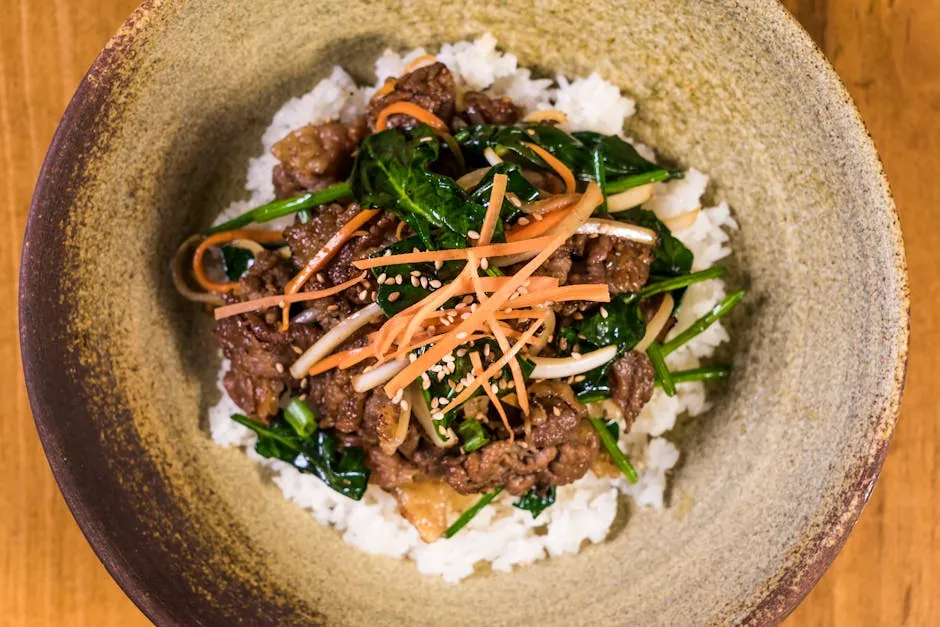
Gukbap and haejangguk are Korean rice-and-soup categories — gukbap is rice in soup, haejangguk is the morning-after hangover soup — and the 24-hour shops in this category are some of the oldest, most reliable late-night kitchens in Gangnam. Most of them serve their headline dish as the main event but quietly keep ramyun on a short side menu, and on a jet-lag night when you want a bowl of noodles but also the option of upgrading to a real soup if your appetite returns, this is the category I pick. The bowls are honest, the lighting is fluorescent, the regulars are taxi drivers and night-shift workers, and nothing about the experience is curated. The specific gukbap shop I trust is two blocks north of Gangnam Station main exit, runs a blue signboard with white hangul that has been there since at least 2018, and is open 24 hours every single day of the year. The haejangguk is the headline dish (8,500 KRW for the standard, 11,000 KRW for the deluxe version with extra meat), but the ramyun on the side menu is 5,500 KRW and arrives in about six minutes in a steel pot with a soft-cooked egg already cracked in. The kimchi on the table is house-fermented and slightly older — punchier than the bunsik version — and the yellow pickled radish is the same. There is no English menu, but the laminated picture menu is sufficient and the ajumma running the front of the house has seen every kind of customer at every hour and will treat you with the same matter-of-fact patience. The second 24-hour gukbap shop I trust is on a side street running off the south Yeoksam blocks, slightly further from the main hotel cluster, but worth the extra eight minutes of walking on a clear night. The ramyun here is plain — no special variants — but the broth has a small unmarked addition of dwenjang that makes it slightly richer than the standard convenience-store or bunsik version. The shop also serves a small portion of plain rice (1,000 KRW) that I always order as a side because dropping the last few bites of rice into the leftover ramyun broth is the move my college roommate taught me and is still the correct way to finish a bowl. Total budget for ramyun + side rice + a small kimchi: 7,000 to 9,000 KRW. The gukbap shops are the category I pick when I want late-night ramyun but also want the option of switching to a real soup if my appetite returns mid-meal — a flexibility the kiosk and bunsik categories do not give you.
- Texture: standard ramyun, sometimes with dwenjang note, served in a steel pot
- Temperature: hot, with house-fermented kimchi on the side
- Where: 24-hour gukbap and haejangguk shops north of Gangnam Station and south of Yeoksam
- Price: 5,500 to 7,000 KRW for ramyun, plus 1,000 to 1,500 KRW for side rice
- Best for: 1 a.m. to 5 a.m., the longer jet-lag nights, when you want a real-kitchen bowl
Hotel room-service ramyun — the no-leaving-the-room option
Most of the four-and-five-star hotels in the standard Gangnam cluster — the ones near Apgujeong, Cheongdam, and the Sinsa side — have a small late-night menu through room service that includes either a Korean ramyun, a Japanese-style ramen, or both. The price is significantly higher than any other category on this list (typically 18,000 to 28,000 KRW with the service charge), and the bowl is more polished than the convenience-store or bunsik versions but rarely as good as the specialty bar. The category exists because, on certain nights, the calculus is not about quality — it is about not putting on outdoor clothes. I have ordered hotel room-service ramyun maybe ten times across seven years of Seoul trips, and I have never once regretted it. The specific case where this category wins: it is 2 a.m., you have a 9 a.m. clinic appointment, you are awake and slightly hungry but not hungry enough to walk five blocks, the weather is poor, and you would rather not see another human being before sleep. The ramyun arrives on a tray with a small bowl of pickled radish, a folded cloth napkin, and an unspecified soft drink you did not order. You eat it in bed with the news on low. The bowl is fine — not great, not bad, fine — and the experience is exactly what you wanted, which was to not leave the room. The cost is the cost. I do not order this on jet-lag night one when the appetite is unpredictable; I order it on jet-lag nights three and four, when the body wants something specific and the legs want to not walk. A few practical notes. The hotel room-service ramyun menus are usually written in both Korean and English on the in-room menu booklet, but the version that arrives is sometimes the Korean style (instant noodles, soft egg) and sometimes the Japanese style (fresh noodles, sliced pork) depending on which kitchen the hotel uses after midnight. Call down to confirm before ordering if it matters to you. Tipping is not standard in Korea but a small thank-you envelope (3,000 to 5,000 KRW) is appropriate if the staff goes above and beyond — for example, if they bring you an extra bottle of water or a side of fruit. Most hotels in the standard cluster keep the ramyun-capable kitchen open until 2 or 3 a.m., with a few of the 24-hour properties on the Cheongdam side running it all night. Confirm at check-in if late-night eating is part of your plan; the front desk will tell you what time the kitchen actually closes, and that information is usually missing from the in-room menu.
- Texture: variable (Korean instant or Japanese fresh, depending on hotel)
- Temperature: hot when it arrives — eat within ten minutes
- Where: most four-star and five-star hotels in Apgujeong, Cheongdam, and the Sinsa side
- Price: 18,000 to 28,000 KRW including service charge
- Best for: bad weather nights, post-clinic recovery, the night you do not want to leave the room

Late kitchens at Korean BBQ and gopchang shops — ramyun as the closer
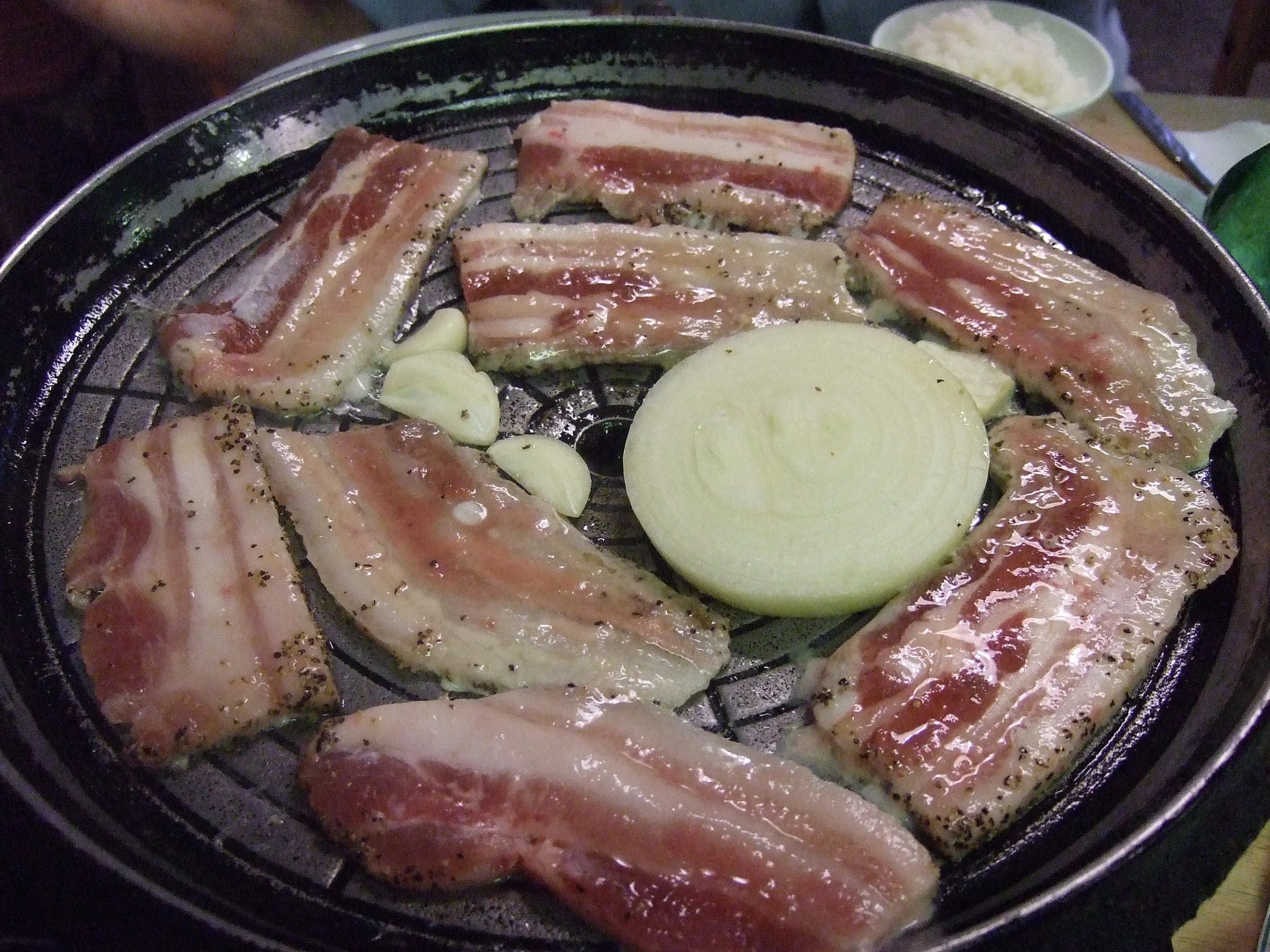
This category is the most Seoul-specific and the one most American visitors do not know about. At Korean BBQ and gopchang (grilled-intestine) restaurants, the standard ending to a long table-grill meal is a small bowl of ramyun cooked in the residual fat and broth at the bottom of the pan, often with leftover scallion and rice cake stirred in. The kitchens at the better late-night BBQ and gopchang shops will serve this as a standalone late-night order even if you did not eat the BBQ that came before it — you can walk in at 11:30 p.m., sit at a small two-top, order one portion of finishing ramyun, and eat it for 6,000 to 9,000 KRW with the same banchan service the dinner customers got. The flavor is unlike any other ramyun on this list because the broth has a meaty depth from the day's grilling. The specific gopchang shop I trust for this is on the southern Sinsa side, runs a red signboard with the menu posted in hanji-style brushwork, and stays open till about 2 a.m. weekdays and later on weekends. The standalone finishing-ramyun is on a small side menu in Korean only, and the way to order it is to walk in, ask the front-of-house person (is one bowl of ramyun possible), and if they say yes you sit down and a bowl arrives in about ten minutes. The broth is meaty, slightly funky in a good way, and the noodles are cooked in the same wide steel pan the dinner BBQ ramyun would have been cooked in. There is a faint smoky note from the residual grilling fat that you cannot get in any other category on this list. Eat with a side of yellow pickled radish and a small bowl of plain rice if you want to make a meal of it. A few things to know about the etiquette here, because the BBQ-shop closer category has more social weight than the kiosk or bunsik versions. First, this works best at smaller, family-run gopchang and BBQ shops; the larger chain restaurants will sometimes refuse a standalone-ramyun order because their kitchen flow is not built for it. Second, walk in alone or with one other person — a table of four ordering one ramyun on a busy weekend night is not a great look, and the staff will signal it through slow service. Third, if the shop is busy, ask politely if the kitchen has time and accept a no — there are five other categories on this list. The reward when it works is one of the best ramyun experiences I have had in Seoul, in the same league as the specialty bars but with a completely different flavor profile. Cash is preferred at most of these shops, and a small thank-you to the kitchen on the way out is the correct closing move.
- Texture: ramyun noodles in fat-rich broth, sometimes with scallion or rice cake
- Temperature: hot, served in a wide steel pan or shallow stone bowl
- Where: smaller family-run gopchang and Korean BBQ shops in southern Sinsa and east Yeoksam
- Price: 6,000 to 9,000 KRW for a standalone finishing-ramyun portion
- Best for: 11 p.m. to 2 a.m., the night you want depth of flavor and a small adventure
Cup ramyun + hotel-room kettle — the absolute floor
The last category on the list is the one I tell first-time visitors to keep in reserve as the absolute floor — the bowl you can produce inside a Gangnam hotel room with nothing more than the kettle on the bathroom counter, a 2,000 KRW cup ramyun bought from any convenience store earlier in the day, and the resolve to eat ramyun standing at the desk in your hotel slippers. It is unglamorous. It is also, on certain nights, the correct call. The criteria where this version wins: it is 3 a.m., you are too tired to even change out of your hotel pajamas, the rain is coming down hard enough that the pojangmacha on your block are closed, and the room-service kitchen at your hotel shut down twenty minutes ago. The cup version takes about four minutes start to finish and the bowl is exactly as bad as it sounds and exactly as comforting as you need it to be. The stocking strategy is the part most Americans get wrong. The right way to play this category is to buy two cup ramyuns when you are at the convenience store earlier in the day for an unrelated errand — pick a Shin Cup, a Jin Ramyun cup, or a Sari Gomtang for a milder bone-broth variant — and stash them on the closet shelf next to the umbrella you also did not plan to need. Total cost: 4,000 to 6,000 KRW for the pair. The hotel room kettle gets to a near-boil but rarely a full boil, so add an extra minute beyond the printed steep time. The paper cups insulate badly, so set the cup on a folded hand towel rather than directly on the desk; the desk lacquer at most Gangnam hotels is not built for direct hot-cup placement. Pair with a small bottle of room-service water or a Pocari Sweat from your in-room mini-fridge. A few honorable mentions inside this category that almost made the main item. Sari Gomtang cup ramyun, which uses a clear bone-broth flavoring rather than the standard red-pepper flavoring, is the gentlest cup version and the one I default to on my first jet-lag night when my stomach is still uncertain. Soup-style cup ramyun versus mix-style (, dry noodles with sauce) is a real distinction worth knowing — for a 3 a.m. eating moment, always pick soup-style; the dry mix-style requires draining hot water through a small spout and is more equipment than the moment deserves. Skip the spicy Buldak cup version on a jet-lag night for the same reason as the kiosk version above. The cup-and-kettle version is the lowest-effort possible bowl of ramyun you can produce in Gangnam after midnight, and there have been at least four nights across seven years where it was the right answer. Keep two in your closet from the day you check in; they cost almost nothing and the option-value is real.
- Texture: standard cup ramyun, slightly under-cooked due to hotel-kettle heat
- Temperature: near-boiling — add 1 extra minute to the printed steep time
- Where: any 24-hour convenience store, eaten in the hotel room
- Price: 2,000 to 3,000 KRW per cup, 4,000 to 6,000 KRW for two-cup buffer
- Best for: 3 a.m. and after, terrible weather, hotel kitchen closed, no-energy nights
How I sequence these eight across a real jet-lag night
If you have read this far, you already know I do not rank these eight; I rotate. A real jet-lag night for me usually pulls one or two of them. Night one in Seoul is almost always the convenience-store kiosk because the body is unpredictable and the kiosk is the smallest possible commitment. Night two is usually the bunsik shop on the Sinsa back alley, because by then the body knows what it wants. Night three, if I am awake at 1 a.m. on a clear summer night, I walk to the pojangmacha for the atmosphere and the broth. The specialty-bar version is for a rest-day night where the appetite has stabilized and the meal can be the destination rather than the fix. The gopchang-shop closer is for the night I want a small adventure. The hotel room-service version is for the bad-weather night. The cup-in-room version is the floor — the version I keep two of in the closet from check-in onward, against the night that has none of the other options. I have written a longer breakdown of the full Gangnam late-night rhythm — what to do when jet lag wins and you are wide awake at 2 a.m. — that goes into the walking routes between these spots, the specific 24-hour landmarks, and the recovery moves the next morning. There is also a separate post on what to eat when jet-lagged that goes deeper on samgyetang, juk, and the gentler categories I lean on for breakfast the morning after a 3 a.m. ramyun bowl. None of this is medical advice. All of it is what has worked for me, four-plus trips a year for seven years, on the nights the body wants a hot, salty, soft bowl of something at the exact hour that should not be possible — and Gangnam, mercifully, is a city that solves for it.
Frequently asked questions
Are these spots actually walking distance from the standard Gangnam hotels?
Yes, all eight categories are within a fifteen-minute walk of the standard Sinsa, Apgujeong Rodeo, Cheongdam, and Yeoksam hotel cluster — which is where most American visitors stay. The convenience-store kiosks are five-minute walks from almost any hotel in this strip. The bunsik shops, pojangmacha, and gukbap shops are eight to twelve minutes. The specialty bars and gopchang closers are twelve to fifteen. The cup-in-room and hotel room-service categories are zero. Naver Maps and KakaoMap both surface these reliably with English labels if you search the romanized term, and walking is genuinely faster than a taxi at 1 a.m. for most of this radius.
How spicy is the average late-night ramyun bowl in Gangnam?
The default Korean ramyun (Shin Ramyun, the standard kiosk and bunsik order) is moderately spicy — comparable to a medium salsa in U.S. terms, not painful for most adults but noticeable. The mild Jin Ramyun version is significantly gentler and is the order I recommend for spice-sensitive eaters. The specialty-bar bowls have multiple variants including non-spicy clear-broth versions. The Buldak (fire chicken) variants are genuinely very spicy and not appropriate for jet-lag nights. If you want non-spicy, ask for clear broth or order Sari Gomtang in cup form, which is bone-broth based rather than chili-based.
Do I need to speak Korean to order these?
No, but a few phrases written down help. Most kiosks and bunsik shops have picture menus, and pointing works fine for everything in this category. The specialty bars usually have English menus. The phrases worth memorizing for late-night ramyun are 'one bowl please', 'not too spicy', 'with egg', and 'takeout'. Translation apps cover the rest, and Google Translate's camera mode works well on the laminated Korean menus at most of these shops. Confidence and a smile genuinely matter more than vocabulary at 1 a.m. in Gangnam.
Is it safe to walk to these spots alone after midnight as a woman?
Generally yes, in my experience across seven years. Gangnam after midnight is one of the better-lit, more populated late-night neighborhoods I have walked in, with active foot traffic on most main streets through 3 a.m. The standard precautions apply — stick to main streets and busier alleys, avoid the empty residential blocks several streets removed from the commercial strips, and trust your gut if a particular street feels off. The convenience-store kiosks are inside the stores so the walk is the only outdoor portion. I have walked solo to all eight categories at various hours and have never had an issue. Always check your hotel's specific guidance and your own comfort level.
Roughly what should I budget for late-night ramyun on a Gangnam trip?
Around 5,000 to 15,000 KRW per bowl across the categories on this list — roughly USD 4 to 11 at typical exchange rates — with the hotel room-service version sitting noticeably higher at 18,000 to 28,000 KRW. A reasonable late-night ramyun budget for a five-night Seoul trip with two or three jet-lag nights is 30,000 to 50,000 KRW total, plus or minus the room-service splurge. This is meaningfully cheaper than the equivalent post-midnight food run in San Francisco or LA, and the soup-to-money ratio is one of the better deals in Gangnam.
What if I want a non-instant ramyun bowl — fresh noodles, real broth?
Pick the specialty-bar category (item ) — those bars use either fresh noodles or premium dried noodles in house-made stocks, and the difference versus the kiosk and bunsik versions is significant. The specialty bars run 12,000 to 18,000 KRW a bowl, are open until roughly 1 to 1:30 a.m. on weekdays, and cluster on the southern Cheongdam and north Apgujeong sides. The gopchang-shop closer (item ) is also non-instant in the sense that the broth has hours of grilling depth behind it, though it uses standard ramyun noodles. For a fresh-noodle, real-broth, sit-down experience, the specialty bar is the clearest match.