Editorial Picks
8 Skin Tightening Treatments Worth Researching in Korea
Eight categorical options I keep seeing on Gangnam consultation menus — what each one actually does, and what I'd ask before booking.
Every time I sit down with a Gangnam coordinator, the menu of "skin tightening" options has grown. Five years ago it was Ultherapy and Thermage and a vague mention of threads. On my most recent trip the consultation included MFU, monopolar RF, bipolar RF, RF microneedling, PDO threads, polynucleotide-flavored skin boosters, fractional lasers used for tightening, and a category my coordinator labeled "hybrid devices" that did not exist on my first visit. The growth is not noise. It is a real expansion of the technology base, driven by Korean device manufacturers who are now exporting platforms back to the US market. This is not a ranking. It is the eight categories I keep seeing on consultation menus, what each one actually targets, what the published evidence looks like in my reading, what each one feels like in the chair when I have tried it, and what I would ask before letting any of them touch my face. There are no winners on this page. There are eight options and a notebook full of questions.
How I sorted these eight categories (and what I am not doing)
Methodology, in plain English, is the part of a roundup most readers skip — and the part you should actually read first because it tells you whether to trust the rest of the page. Here is mine. I sorted these eight categories by mechanism of action, not by brand or clinic. Each entry covers a class of device or procedure rather than a specific machine. Where I name a device inside an entry, I name it as a representative of the category, not as an editorial pick. There is no "" here. There is no "best." There are eight entries with positional numbers because the schema requires positions, and that is the only thing the numbering means. I cross-checked each category against three things. First, peer-reviewed English-language literature on PubMed, prioritizing reviews and meta-analyses over single-clinic case series. Second, what my Gangnam coordinator actually said when I asked specific protocol questions in the consultation room — line counts, depths, pulse settings, downtime estimates, the things you cannot get from a brochure. Third, what foreign patients I have spoken with on three separate trips reported about their own results, recovery, and pricing. None of those three sources alone is sufficient. Together they triangulate something closer to the truth than any single one would. What I am not doing on this page is ranking clinics, naming providers, or claiming any category is universally better than another. Korean medical advertising law (Article 56, Clause 4 of the Medical Service Act) prohibits that kind of comparative ranking, and frankly the comparison would be malformed even if it were legal — the right tightening category for a given face depends on skin biology, baseline laxity, downtime tolerance, budget, and the specific operator's hand. I cannot rank that for you from a webpage. What I can do is hand you the eight categories, the honest hedging on each, and the questions to ask in the consultation. The decision is yours.
Micro-Focused Ultrasound (MFU)
Micro-focused ultrasound is a non-invasive lifting technology that delivers focused ultrasound energy through transducers at fixed depths (typically 1.5mm, 3.0mm, and 4.5mm) to create small thermal coagulation points in the dermis and SMAS layer, which patients report can stimulate a remodeling response over the following months. The 4.5mm depth — the SMAS-targeting layer — is the one most associated with the lifting effect; the shallower depths address dermal tightening and fine-line work. MFU is the category that includes Ultherapy, Ultherapy Prime, Shurink Universe, and Doublo Gold, among others. Korean clinics tend to carry at least two MFU platforms, and a few carry all three of the major systems. What the published evidence looks like, in my reading: a 2023 review in the Journal of Clinical and Aesthetic Dermatology of MFU and HIFU technologies for facial laxity reported measurable improvement in jawline definition and brow position with a favorable safety profile across pooled studies. Direct head-to-head comparisons of different MFU platforms remain limited; mechanism-of-action studies suggest the platforms are comparable but operator technique and line-count discipline appear to matter more than the device label. May help is the right framing for the lifting effect — results take three to six months to peak, and they are gradual rather than dramatic. What to ask in consultation: what depth pattern will the practitioner run on you, how many lines per zone, whether the platform has visualization, and how much case volume the operator has on this specific device. The brochure will not tell you any of this. The coordinator will, if you ask. Best fit for: documented lifting in the brow, submentum, neck, and jowls, in patients with mild to moderate laxity who want non-surgical with minimal downtime. What the chair feels like, in my notes from three Ultherapy sessions and one Shurink session: the 4.5mm depth is the part patients react to most. It is a deep heat that arrives in pulses and resolves between shots. The 3.0mm and 1.5mm depths register as warmth and a tapping sensation. Numbing options range from topical only to oral analgesia to nerve blocks; Korean clinics tend to default to topical plus oral, with nerve blocks available on request and at additional cost. Recovery is essentially nothing visible — a faint flush, occasional small welts that resolve within 24-48 hours, and rare bruising. The result is gradual. Anyone promising you immediate dramatic lift from MFU is overselling the category.
Monopolar Radiofrequency (RF)
Monopolar radiofrequency is a non-invasive tightening technology that delivers radiofrequency energy through a single grounding electrode to heat the dermis in bulk volumetric distribution, which patients report can produce immediate collagen contraction and a longer-term remodeling response. Thermage FLX is the category-defining platform; newer monopolar systems exist in Korean clinics with similar mechanisms. The depth of effect is broader and shallower than MFU's discrete coagulation points; the heat is distributed across the full treated zone rather than concentrated at fixed depths. The published base for monopolar RF is substantial — Thermage has decades of FDA clearance and a large peer-reviewed literature. A 2022 review in Lasers in Surgery and Medicine on monopolar RF for facial skin laxity reported consistent dermal tightening effects with a favorable safety profile across studies, though noting that lifting in the lower face is less pronounced than what MFU produces in the SMAS-targeting depth. Studies suggest the categories are complementary rather than competitive. Many Korean providers run a paired protocol — RF for skin quality, MFU for structural lifting — across the same trip or staggered visits. What to ask: what tip generation the clinic stocks (newer tips have higher pulse counts and revised vibration), how the practitioner determines the energy setting for your skin type, and whether the session covers full face, neck, or both. A common mistake patients report is paying for full-face RF when only the lower face actually had laxity worth treating. Best fit for: patients with diffuse skin quality concerns, mild surface laxity, and those who want a complement to MFU rather than a lifting alternative. Recovery is minimal. Results onset is similar to MFU — gradual, 2-3 months for visible peak. A practical note from my one monopolar RF session, layered between two Ultherapy sessions across the same year: the heat is genuinely uncomfortable but distributed differently from MFU. Where MFU is pulsed and discrete, RF is continuous and surface-broad. Patient pain reports vary widely; my coordinator described the sensation accurately as "a hot iron pressed for two seconds at a time across the entire face," which sounds dramatic and was about right. The newer device tips include a vibration component that meaningfully reduces perceived pain. If the clinic is using older tips, the experience is harder. Ask. The price difference between old and new tip generations is sometimes worth the premium for tolerability alone.
RF Microneedling
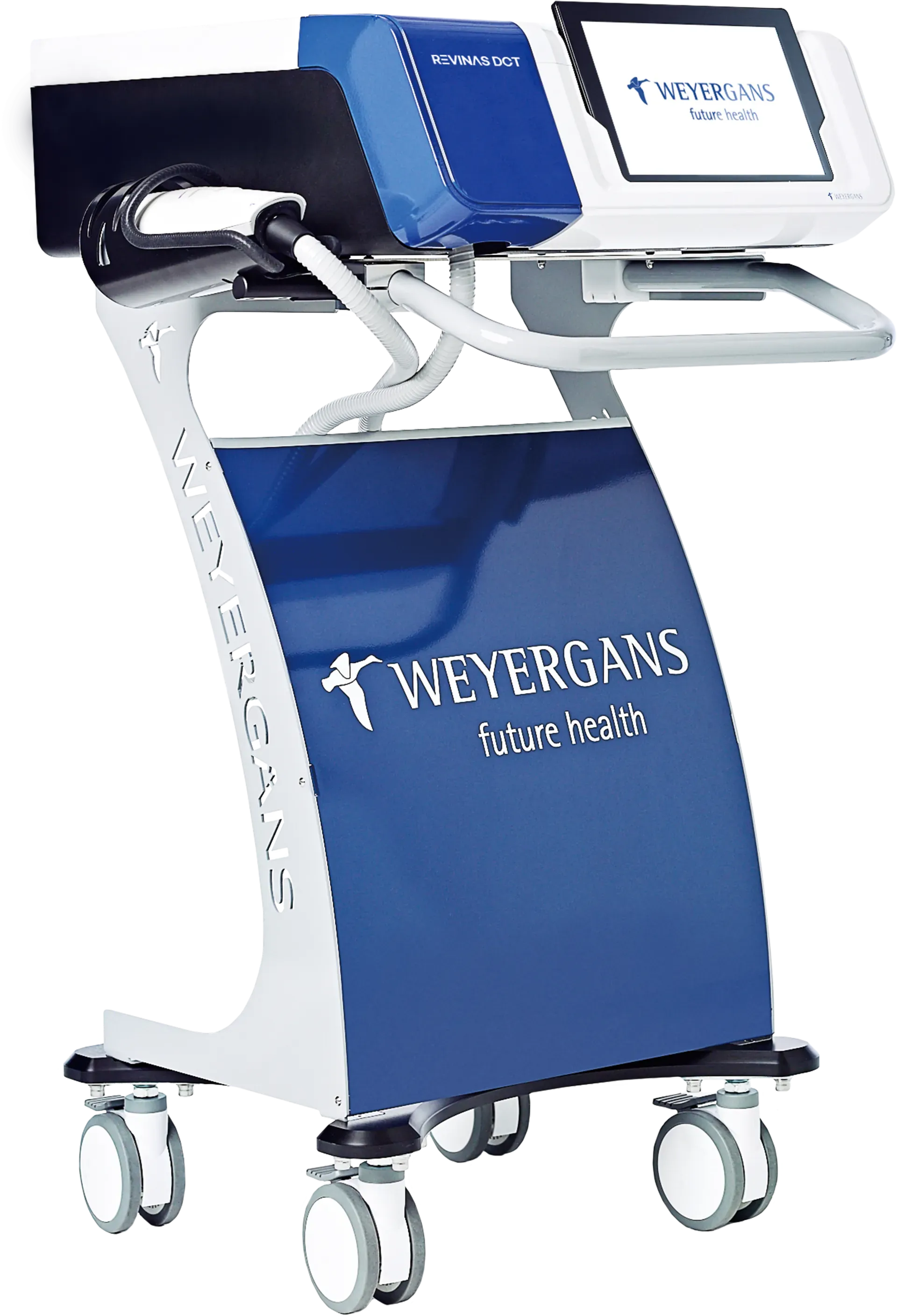
RF microneedling is a hybrid technology that delivers radiofrequency energy through fine insulated or non-insulated needles inserted into the dermis at adjustable depths, which patients report can produce both surface remodeling and deeper dermal tightening with controlled downtime. The category includes platforms like Genius (Lutronic), Secret RF, Morpheus8, and Korean systems like Potenza and Sylfirm X. Needle depths typically range from 0.5mm to 4.0mm, and the energy is delivered at the needle tip rather than across a surface contact pad. What the published evidence shows, in my reading: a 2023 systematic review in the Journal of Cosmetic Dermatology on RF microneedling for facial rejuvenation reported improvement in skin texture, scarring, and mild laxity, with a safety profile that is generally favorable but more variable than non-needling RF — pinpoint bleeding, post-inflammatory pigmentation in darker Fitzpatrick skin types, and short-term erythema are documented. Studies suggest the technology bridges the gap between surface-only treatments and deep-tissue tightening; the mechanism includes both controlled thermal injury and physical microchanneling. May help is the right framing for moderate laxity; for severe laxity, the literature is thinner. What to ask: needle insulation type, target depths for your indication, the number of passes, and whether the clinic uses topical or oral numbing for tolerability. Patient-reported pain varies more across RF microneedling than across the non-needling RF and MFU categories. Best fit for: patients with combined concerns — mild laxity plus pore size, plus acne scarring, plus skin quality — who want one device that addresses several layers. Downtime is real but short. Plan a recovery day. A pragmatic note: RF microneedling is the category Korean clinics push most aggressively right now. The marketing momentum is real and the device economics favor it — the consumable tips have higher margins than MFU cartridges, and the platforms are flexible enough to be sold for multiple indications. That commercial reality does not make the category wrong for you. It does mean you should evaluate whether the clinic's recommendation is driven by your specific indication or by their inventory of consumables. Ask the coordinator what they would recommend if they did not own this device. The answer, or the hesitation, tells you something useful. I have had two RF microneedling sessions; both produced visible texture improvement but neither produced the kind of structural change MFU produces, which is consistent with the literature.
PDO and PCL Thread Lifts
Thread lift is a minimally invasive procedure that places absorbable polydioxanone (PDO) or polycaprolactone (PCL) sutures into subcutaneous tissue planes through fine cannulas, which patients report can produce immediate mechanical lift with a longer collagen-stimulation response as the threads dissolve over six to eighteen months. Korea is a major hub for thread innovation; PCL is the longer-lasting variant with a more substantial published collagen-stimulation profile, and Korean manufacturers produce a large share of the PDO/PCL thread market globally. The published literature, in my reading: a 2023 review in Dermatologic Surgery on absorbable thread lifts reported immediate tissue repositioning effects with documented collagen induction during thread degradation, while noting complications — palpability, asymmetry, dimpling, and rare infection — are well-described and operator-dependent. The category has a higher complication ceiling than the energy-based categories above, which is part of why Korean clinics tend to assign thread procedures to specific senior practitioners rather than rotate them across the full provider roster. Studies suggest the mechanical lift is more pronounced and immediate than what energy devices produce; the longevity question is less settled. What to ask: thread material (PDO vs PCL), thread count, anchor strategy (cogged vs barbed vs smooth), the practitioner's annual case volume on threads specifically, and revision policy if migration or asymmetry develops. Threads are the category where operator selection matters most in my reading. Best fit for: patients with structural laxity that is too pronounced for MFU/RF alone but who are not yet ready for surgical facelift; often combined with energy devices in a layered protocol. Downtime is real — bruising, swelling, occasional dimpling — and resolves in one to two weeks for most. I have not had a thread lift, and I want to be clear about that — my notes here are from the consultations I have sat through and the literature I have read, not from personal experience. Friends who have had threads in Gangnam report the immediate lift as the most striking part of the procedure, with a subsequent settling period of two to four weeks during which the lift refines. The practitioner's hand on the cannula technique, the choice of thread anchor pattern, and the planning of the vector geometry — these are the variables that separate good thread lifts from bad ones, and none of them are visible from a clinic's marketing material. If you are considering threads, the consultation question is not which thread brand but which practitioner. Ask for case volume. Ask to see an unretouched portfolio. Ask about revision.
Fractional Laser Skin Tightening
Fractional laser tightening is a category that uses ablative (CO2 or erbium) or non-ablative (1,550nm or 1,927nm) laser energy to create columns of controlled thermal injury in the dermis, which patients report produces both surface resurfacing and deeper dermal remodeling that can result in tightening as collagen heals. The most common Korean platforms in this category include Fraxel (Solta), Lumenis UltraPulse, and various erbium devices. Tightening here is a secondary effect of the resurfacing primary indication; this is not a lifting device, and the literature is clear that the laxity improvement is modest compared to MFU or threads. A 2022 systematic review in Lasers in Medical Science on fractional laser resurfacing for facial rejuvenation reported significant improvement in skin texture, fine lines, and pigmentation with measurable but secondary tightening effects, with downtime ranging from days (non-ablative) to weeks (ablative CO2). Studies suggest the category is most appropriate when the primary concern is skin quality and tightening is a desirable side benefit; if lifting is the primary goal, MFU and threads are the more direct categories. What to ask: ablative or non-ablative, the wavelength specifically, the percentage coverage and density per pass, expected downtime in days, and whether the clinic has experience with your Fitzpatrick skin type — fractional ablative carries higher post-inflammatory hyperpigmentation risk in darker skin and Korean clinics have variable experience with non-Asian skin types. Best fit for: patients with combined skin texture, sun damage, fine lines, and mild laxity, who are willing to commit to real downtime in exchange for resurfacing-plus-tightening in a single category. Plan a longer recovery window. Most American patients I have spoken with who chose fractional laser in Korea did so for combined indications rather than tightening alone. The downtime calculus matters — ablative CO2 fractional, in particular, demands a recovery window that is incompatible with a tight ten-day trip. Several US-based dermatology offices have run identical platforms for years and the price differential between Gangnam and a competent US practice is smaller than the differential for MFU or skin boosters. If your home market has good fractional laser access, the case for traveling specifically for this category is weaker than for MFU. If your home market does not, Korea has experienced operators on the major platforms and the consultation conversations I have heard tend to be careful about Fitzpatrick-specific risk — at the senior tier of clinic, anyway. The lower-tier clinics are less consistent.
Skin Boosters and Polynucleotide Injectables
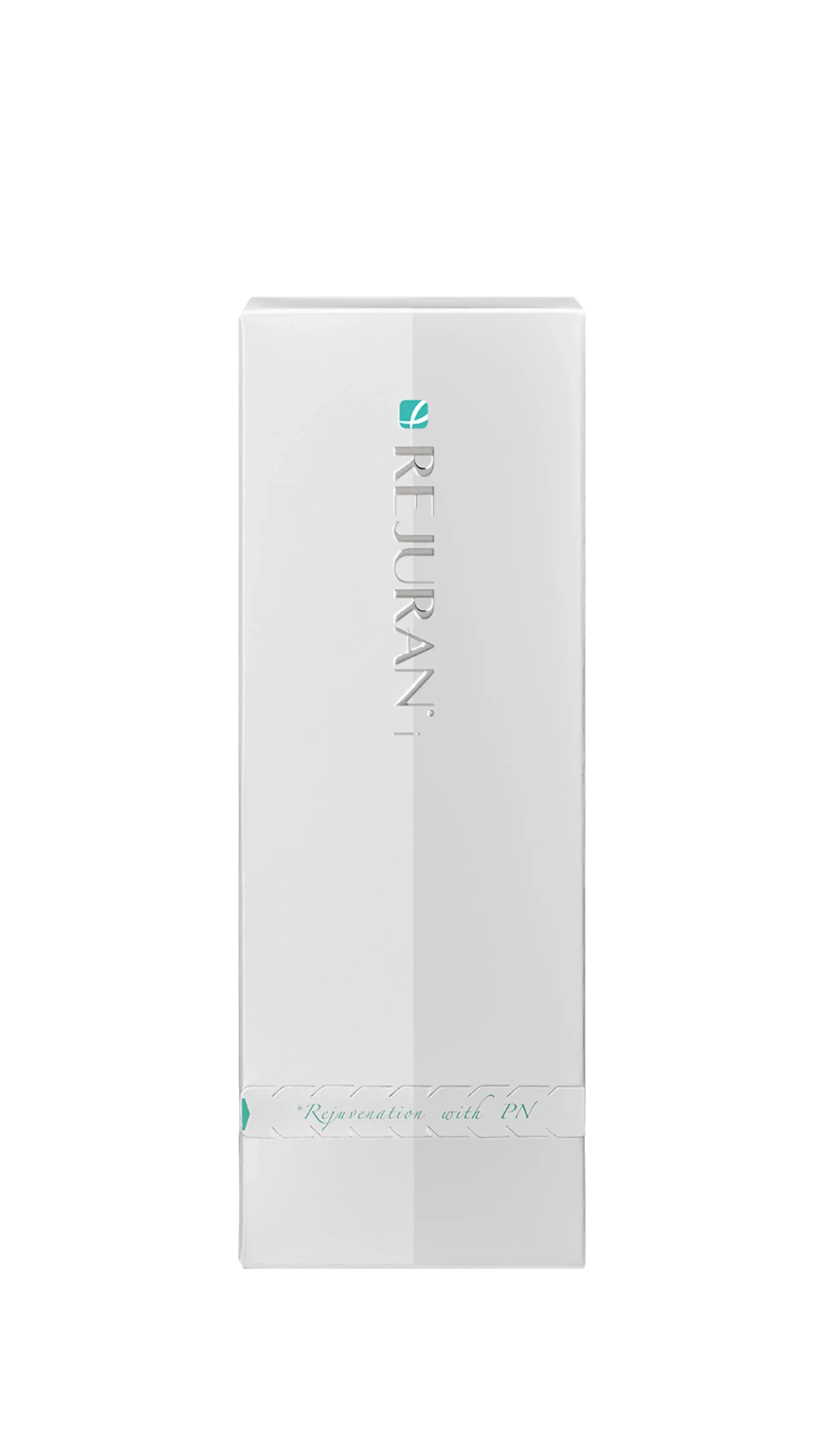
Skin booster is a category of injectable hydration and biostimulation that delivers low-molecular-weight hyaluronic acid (Restylane Skinboosters, Profhilo) or polynucleotides (Rejuran, Plinest) into the superficial and mid-dermis to improve skin quality, hydration, and elasticity, which patients report can contribute to a tightening-adjacent effect over a series of sessions. This category does not produce structural lifting; it produces what coordinators call "skin tone" — better surface bounce, improved hydration, and reduced fine line visibility. Korean clinics have made polynucleotides almost a default add-on to other tightening protocols, and Korea is the global hub for polynucleotide innovation. A 2023 review in Aesthetic Surgery Journal Open Forum on polynucleotide injectables for facial skin quality reported improvement in elasticity measures and patient-reported skin quality scores across multi-session protocols, while noting that the lifting effect is minimal and the category should not be marketed as a lift alternative. Studies suggest polynucleotides have a regenerative-medicine mechanism that is mechanistically different from hyaluronic acid skin boosters; the categories are sometimes layered in protocols spaced two to four weeks apart. What to ask: which exact product (the brand and active ingredient), how many sessions are recommended for your indication, what the realistic outcome is at session three vs session five, and whether the clinic uses Korean-manufactured or imported product (the price differential can be substantial without a clear quality difference for the major brands). Best fit for: patients combining tightening protocols with skin-quality goals, those who want a no-downtime add-on to an MFU or RF visit, and patients who explicitly do not want lifting but do want a freshness effect. Downtime is minimal — pinpoint marks for 24 hours. This is the category where the Korea-versus-US price gap is most striking. A Rejuran or Profhilo session in Korea runs at a fraction of US pricing for a comparable protocol; many US offices do not even offer polynucleotides yet because the product was approved later in the US than in Korea. Korean clinics treat polynucleotides as routine, almost a maintenance default, in a way that no US market has matched. I have done two skin booster series and one polynucleotide series in Korea across three trips. The skin-quality effect is real and visible to me but subtle to others; it is not a category that produces dramatic before-and-after photos. If your goal is to look like yourself but better-rested, this is the category. If your goal is to look meaningfully lifted, this is not the category. Anyone selling polynucleotides as a lift is misrepresenting the mechanism.
Bipolar and Multipolar Radiofrequency
Bipolar and multipolar radiofrequency is a non-invasive tightening category that delivers RF energy between two or more electrodes positioned closely on the skin surface, producing more superficial heating than monopolar systems and typically requiring multiple sessions for cumulative effect. The category includes platforms like Exilis, Venus Legacy, INDIBA, and various Korean systems often marketed as "shaping" or "contouring" devices. The depth of effect is shallower than monopolar RF, and the per-session intensity is lower; the protocol is typically four to eight sessions spaced one to two weeks apart rather than a single annual treatment. The literature is more variable across this category, in my reading. A 2023 review in the Journal of Clinical and Aesthetic Dermatology on multipolar RF for facial laxity reported modest improvement in skin elasticity measures across multi-session protocols, with effect sizes generally smaller than monopolar RF or MFU and a higher dependency on session count and operator pacing. Studies suggest the category is most useful as a maintenance protocol or a low-intensity entry-level option, rather than a primary tightening intervention for structural laxity. What to ask: the exact platform, the recommended session count for your indication, the per-session pricing and the package pricing (this category is almost always sold as a series), and whether the clinic also has a deeper-energy option you should consider instead if your laxity is more advanced. Best fit for: patients in their late twenties to mid-thirties wanting prevention-tier maintenance, those who want a low-downtime introductory tightening experience, and those building a long-term annual protocol where bipolar RF is the maintenance layer between deeper interventions. Downtime is essentially zero. Per-session intensity is low; commitment to the series is the variable. The trip-economics math on this category is worth scrutinizing carefully before you commit. If the protocol requires six to eight sessions spaced one to two weeks apart, you cannot complete it on a single Korea trip without an eight-week stay. Most foreign patients either do an abbreviated series (which the literature suggests produces a smaller effect than the full protocol) or pair the device with a similar at-home device or a US-based provider for ongoing maintenance. Ask the clinic explicitly how they handle foreign patients on this category. The honest clinics will tell you that the Korea-specific value proposition is weaker for series-based bipolar RF than it is for single-session deeper interventions like MFU or monopolar RF. If they oversell the category to you regardless, that is a useful signal.
Hybrid and Multi-Modal Devices
Hybrid devices is a newer category that combines two or more energy modalities — typically RF plus ultrasound, or microneedling plus RF plus suction, or laser plus RF — in a single session protocol, which patients report can produce broader-layer treatment in less chair time. Korean clinics have adopted this category quickly; representative platforms include Sofwave (which uses synchronous ultrasound parallel beam technology that does not fit cleanly into the MFU category), Sylfirm X (RF microneedling with pulsed wave), and various "combination" protocols that the clinic markets under proprietary names. The category is heterogeneous by design. The published evidence base is the youngest of the eight categories on this page, in my reading. A 2023 review in Dermatologic Surgery on multi-modal energy devices for facial rejuvenation reported encouraging early results across several platforms but noted that head-to-head comparison data with single-modality devices is limited and the clinical advantage of combining modalities in one session — versus running them as sequential separate sessions — has not been definitively established. Studies suggest the chair-time efficiency is real; the mechanistic advantage over single-modality serial protocols is less settled. What to ask: which exact modalities the device combines, what the published evidence on this specific platform looks like, whether the clinic has its own outcome data on the device, and whether the same result could be achieved with two separate sessions of single-modality devices the clinic already has. The hybrid category is where marketing momentum is strongest and the literature is thinnest, which is precisely the conjunction that calls for the most patient skepticism. Best fit for: patients with limited trip time who want broader coverage in fewer chair hours, those who trust their specific clinic's protocol design, and those who have already tried single-modality devices and want a different layered approach. Verify the science before booking. Ask hard questions. A caveat that complicates this category — Sofwave, which I have grouped here as a hybrid for its synchronous ultrasound parallel beam mechanism, has a stronger and more recent FDA paper trail than many other entries in this category. The classification of Sofwave as "hybrid" versus "MFU-adjacent" is partly editorial; reasonable practitioners place it in either category. The principle still holds: when you encounter a device whose marketing leans heavily on novel mechanism claims, the burden is on the clinic to show you the published evidence on that specific platform, not on the broader category. Ask for citations. Ask for case volume on the platform specifically. If the clinic cannot produce either, treat the device as experimental relative to the established categories above and price the consultation accordingly.
Side-by-side: the eight categories on one page
I built this table from the brochures and consultation notes across my last three Gangnam trips, cross-checked against the published reviews cited in each section above. Cells are categorical, not ranked. Pricing tiers are intentionally relative ($/$$/$$$) rather than absolute because the numbers shift across clinics, cartridge counts, and won-dollar exchange. Ask for an itemized quote in your consultation. Use this table as a structure for that conversation, not as a substitute for it.
| Category | Mechanism | Primary indication | Sessions | Downtime | Pricing tier | Result onset |
|---|---|---|---|---|---|---|
| MFU (Ultherapy / Shurink / Doublo) | Focused ultrasound at 1.5/3.0/4.5mm | Lifting (brow, submentum, neck, jowls) | 1 (annual) | Minimal | $$$ | 2-3 months peak |
| Monopolar RF (Thermage FLX) | Volumetric dermal heating | Diffuse skin tightening | 1 (annual) | Minimal | $$$ | 2-3 months gradual |
| RF Microneedling | Insulated needle RF delivery | Skin quality + mild laxity + scarring | 3-5 series | 2-5 days | $$ | 1-2 months cumulative |
| PDO/PCL Thread Lift | Mechanical lift + collagen induction | Structural laxity below MFU threshold | 1 (every 12-18 months) | 1-2 weeks | $$ | Immediate + gradual |
| Fractional Laser | Columnar thermal injury, ablative or non-ablative | Texture + tightening secondary | 1-3 series | Days to weeks | $$ | 1-3 months |
| Skin Boosters / Polynucleotides | Injectable HA or polynucleotide | Skin quality, hydration, glow | 3-5 series | Minimal | $-$$ | Cumulative across series |
| Bipolar / Multipolar RF | Surface RF, multi-electrode | Maintenance tier, prevention | 4-8 series | None | $-$$ | Cumulative across series |
| Hybrid / Multi-Modal | RF+US / microneedling+RF / etc | Broader-layer combo | 1-3 series | Variable | $$-$$$ | Variable |
Frequently asked questions about Korean skin tightening categories
These are the questions I hear most often from American friends planning their first Gangnam tightening trip, with answers grounded in the consultation conversations I have actually had and the literature I have actually read. The answers are hedged on purpose. Anyone giving you cleaner answers from a webpage is selling you something.
Editorial note: how I'd actually use this page
If I were planning my next Gangnam trip from scratch, I would print this page, fold it into my notebook, and bring it to the consultation. I would mark the two or three categories that match my primary concern. I would write the four questions from the relevant entry into the margin of the page, and I would ask the coordinator each of them out loud. I would not commit to a protocol on the first visit. I would book the consultation as an information visit and come back the next day to commit. That two-day gap is how I avoid being upsold into something I do not need. The page is a structure for the conversation. The decision is what happens in the room.
Frequently asked questions
Which skin tightening category is best in Korea?
There is no universal best. The right category depends on your laxity grade, skin quality goals, downtime tolerance, budget, and the specific operator's experience. MFU is the documented lifting workhorse for mild to moderate laxity; threads handle structural laxity beyond what energy devices reach; RF and RF microneedling address skin quality and dermal tightening; skin boosters and bipolar RF function as maintenance layers. Korean clinics often layer two or three categories rather than choosing one. Ask your coordinator to map a layered protocol to your specific concerns rather than asking which single category is "best."
Are these tightening treatments approved by KFDA in Korea?
All eight categories are approved or cleared in Korea, though the specific platforms within each category vary. Major MFU platforms (Ultherapy, Shurink Universe, Doublo Gold) carry KFDA approval; Thermage FLX is approved; RF microneedling platforms (Potenza, Sylfirm X, Genius) are approved; PDO and PCL threads from Korean manufacturers are approved; the major fractional laser, skin booster, and polynucleotide products are approved. Always ask the clinic which specific platform they use and verify the version is current — older generations remain in circulation at lower-tier facilities.
How do I avoid being upsold into the wrong category?
Walk into the consultation with three things written down: your primary concern in plain language ("jawline laxity," not "tightening"), your downtime tolerance in days, and your absolute budget ceiling. If the coordinator's first recommendation matches all three, you are likely in a clinic that listens. If the recommendation pivots to a higher-tier package without addressing your stated concern, that is a signal regardless of which category they recommend. Ask the coordinator to explain why their recommended category fits your concern better than the next-cheaper option in their menu. The answer should be specific.
Can I combine multiple tightening categories on one trip?
Yes, and Korean clinics often build layered protocols by design. Common combinations include MFU plus RF in one visit (sometimes same day, sometimes split across two sessions), thread lift followed by MFU two to four weeks later, RF microneedling combined with skin boosters for skin quality goals, or fractional laser followed by RF microneedling for combined texture and tightening. Spacing matters — some pairings (threads + MFU) need a healing window, others (RF + boosters) can be same-day. Ask the clinic to map the timing for your specific combination.
How does pricing across these categories compare in Gangnam versus the United States?
Skin boosters and polynucleotides tend to run the largest price differential, with Korean clinic pricing often a fraction of US equivalents. MFU and monopolar RF run substantially lower than US pricing for comparable session sizes; the savings on one session often cover the airfare. RF microneedling and threads run lower but with smaller percentage savings because the platforms and consumables are similar globally. Hybrid devices vary widely. Always compare line counts and session sizes, not session prices in isolation — a cheaper Gangnam session at half the line count is not actually cheaper.
Which category has the best published research base?
Monopolar RF (Thermage) and MFU (Ultherapy) have the largest peer-reviewed English-language literature, partly because both have been in the US market longest and carry FDA-required post-market data. RF microneedling has a growing literature with strong recent reviews. Threads, fractional lasers, and polynucleotides have substantial Korean-led publication output. Bipolar/multipolar RF and hybrid devices have the thinnest literature relative to their commercial deployment, which is one reason I keep flagging them as the categories where patient skepticism should be highest.
Do I need to repeat any of these treatments?
Yes, all of them — aging continues regardless of intervention. MFU and monopolar RF are typically repeated annually or every twelve to eighteen months depending on response. Threads are repeated every twelve to eighteen months as the absorbable material dissolves. RF microneedling, fractional laser, skin boosters, and bipolar RF are series-based and require ongoing maintenance to sustain effect. Hybrid devices vary by protocol. The honest framing is that none of these eight categories produces a permanent result; they produce a deferred result, and maintenance is part of the cost calculation.