Editorial Picks
14 Aftercare Products I Pack for Every Korea Trip
The carry-on kit that earned its place over three years of recovery weeks — boring, specific, and packed in the same order every time.
I have been flying to Gangnam for treatments for almost three years, and the carry-on has gotten more specific with every trip. The first time I went I packed a magazine, two protein bars, and a hopeful little pouch of skincare from my regular shelf. That was a mistake. The post-procedure week is its own climate — flights, jet lag, hotel air, treated skin — and the products that survive a normal Tuesday in California are not always the products that hold up after a forty-minute MFU session in Apgujeong. So I rebuilt the kit. I asked the nurse at my clinic, I asked a friend who works in K-beauty product development, and I tested everything across recovery cycles. What follows is the working set — fourteen aftercare products, the order I reach for them, and the honest reason each one is in the carry-on. No affiliate codes, no rankings, no sponsorships. Just what survived three years of Seoul trips and earned the slot. I keep brand names where the formula matters; you can swap within categories and probably be fine, but the categories themselves are the point.
How I built this fourteen-product kit
Three filters, same as the rest of my shelf. First — every product has to be something I have personally used through at least two recovery weeks, ideally three. No one-trip impressions, no products I bought because a friend said they were good and never actually opened. Second, the formula has to be barrier-friendly enough for treated skin. That ruled out a lot of things I love in normal weeks — exfoliating acids, retinol, high-percentage vitamin C, anything with strong fragrance. Third, the size and the format have to actually work in a carry-on. A 200ml glass bottle is a beautiful product and a useless travel companion. I keep the kit small. I also pay attention to redundancy. There is no reason to pack three hydrating toners — I bring one and trust it. The kit fills slots, not preferences. If a product breaks during transit, I know what category I am replacing at Olive Young in Sinsa, not which exact SKU. The boring is the point. Recovery is not the time to introduce drama. These are categories of product I have settled on after enough trial and error to be a little embarrassed about, and they fit into a single quart-size pouch with room to spare. The cleansers, the soothing layers, the barrier seals, the spot tools, the body and hand items — fourteen products, one pouch, one carry-on. If you are flying out next month, this is the list I would hand a friend. For the broader post-procedure shelf I keep at home, see best korean skincare post-procedure.
— Low-pH gel cleanser (100ml decant)
The cleanser is the foundation of any aftercare kit, and after a procedure your skin's pH is a little softer than usual. A high-pH foaming cleanser — the kind that squeaks — will set you back days. I want a low-pH gel cleanser, fragrance-free, that rinses cleanly and does not strip. The category I trust is COSRX Low pH Good Morning Gel Cleanser. It has been on my counter for years and it is the one I bring on every trip in a 100ml decant. Morning and night, twenty seconds of contact time, no washcloth, no electric brush, just my hands. Lukewarm water — hot water on freshly treated skin is a bad idea for the first week. If I have been wearing sunscreen all day I will pre-cleanse with a balm first, but the low-pH foam is what actually does the cleaning. I have tried switching this slot for trendier launches and I always come back. The hotel bathrooms in Korea have hard-ish water in some neighborhoods, so I keep a small bottle of micellar water as a final rinse helper if my skin feels tight. Two more notes from real life. Carry-on cosmetic decant rules — the 100ml gel goes through TSA without a comment, but make sure the cap is locked. I lost a half bottle to a broken pump on my second trip and learned to bring a small ziplock for any liquid that has even a chance of being moody at altitude. And second, do not chase actives in your cleanser. The cleanser is the gate. Keep it dumb.
— A balm or oil cleanser for double cleansing
Sunscreen does not come off with a foam cleanser. I learned this on trip one, with three weeks of clogged pores and a derm in Apgujeong gently telling me my evening routine was incomplete. Now I use a balm cleanser as step one of my evening, every single night, including recovery weeks. The category I keep coming back to is Banila Co Clean It Zero Cleansing Balm in the original or sensitive version. It melts on contact, emulsifies with water, and the sensitive line skips the spicy fragrance some balms sneak in. I work it into dry skin for thirty seconds, add water to emulsify, rinse, then go in with the low-pH foam. The whole double cleanse takes maybe ninety seconds. After Ultherapy I am especially careful not to massage hard along the jawline or under the eyes — I let the balm do the work and I keep the pressure light. If you had topical numbing cream at the clinic, you will be glad you have a balm cleanser at the hotel — water alone does not get it off cleanly. If balm is not your texture, the oil version works the same way. DHC Deep Cleansing Oil has been my road backup for years. The point is the first cleanser, not the format. The shopping note — read the ingredient list for added fragrance. A surprising number of balm cleansers include rose, lavender, or citrus oils that smell lovely on day one and feel inflammatory on a treated jawline by day three. Heimish All Clean Balm is the other formula I rotate. The travel-friendly small jar fits a quart pouch, the formula is reliable, and at a Sinsa Olive Young you can replace it for under twenty dollars if you forget to pack one.
— A hydrating toner with no actives
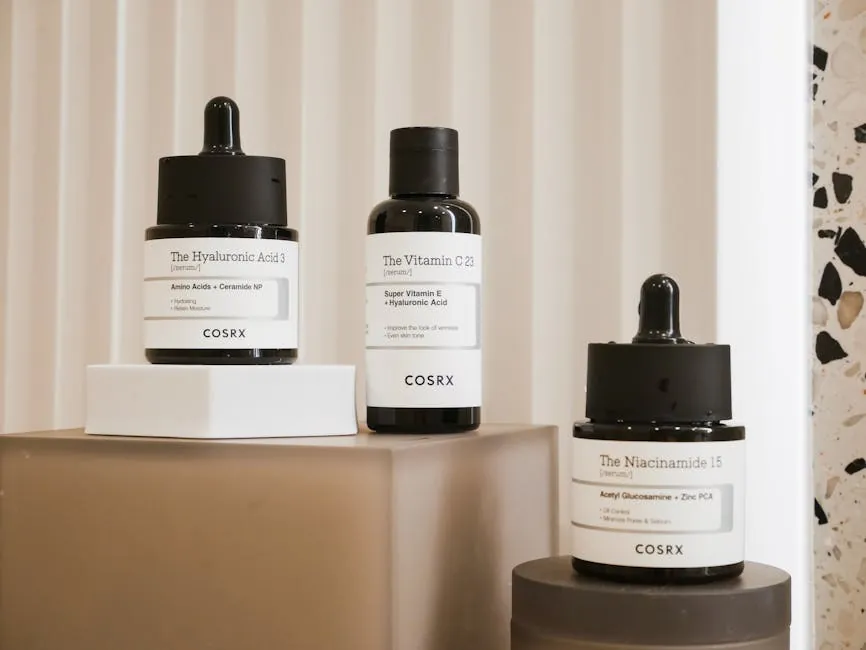
After cleansing the next step is a hydrating toner, and the word hydrating is doing a lot of work in a recovery week. I want hyaluronic acid, panthenol, glycerin, maybe a beta-glucan or a polyglutamic acid. What I do not want is witch hazel, denatured alcohol, AHAs, BHAs, or strong fragrance. The product on my shelf for this slot is Klairs Supple Preparation Unscented Toner. The unscented version specifically — the original has lavender oil and during recovery I would rather skip it. I pat it in with my hands, never cotton pads, never sweeping motions. Two or three light passes until the skin feels damp but not dripping. After Ultherapy I will sometimes go back in with a second pass thirty seconds later, just to push more hydration in before the next layer. I have tried the seven-skin method during recovery and four passes is plenty for me. Past that I am just sitting with wet hands feeling productive. A tip from the friend in product development — pay attention to where hyaluronic acid sits on the ingredient list. If it is in the bottom third, the product probably is not delivering much. The Klairs unscented has it in the top half and you can feel it. Hada Labo Gokujyun Premium is the other one I rotate when I have the room. The travel format is what matters here — Klairs sells a smaller bottle that fits a carry-on without decanting, and the cap holds at altitude. One more rule for this slot — toners that say exfoliating, even at low percentages, do not belong in a recovery week. The Pixi Glow Tonic, the COSRX BHA Power Liquid, anything with the word essence in the name that contains glycolic or salicylic acid — set them aside until day six or seven.
— Snail mucin essence
I held out on snail mucin for embarrassingly long. The name, the marketing, the way it gets pitched as a miracle — I assumed it was overhyped. Then I tried it during a recovery week three years ago and I have not had a post-procedure routine without it since. The category essentially has one giant winner and that is COSRX Advanced Snail 96 Mucin Power Essence. I have tried Mizon and a few smaller brands and they are fine, but the COSRX is the one I keep on the counter and in the carry-on. What snail mucin does is soothe and hydrate. It has glycoproteins, hyaluronic acid, and proteins that seem to help with skin recovery — the studies on filtrate are mixed but my personal experience is consistent. After a session my skin is slightly red and a little tight on day two. A pump of snail mucin patted in over the toner brings the redness down within minutes and the skin feels softer for hours. I use it morning and night during recovery, three or four times a week the rest of the time. The texture is the only thing to know — it is slippery, almost slimy, and you have to give it sixty seconds to absorb before the next step or you will roll it off. If your skin runs sensitive or reactive, snail filtrate is also one of the better-tolerated soothing ingredients in K-beauty in my experience. The shopping note — make sure you are buying a snail filtrate essence, not a snail cream or a snail mask, for this slot. The essence format is what layers correctly between toner and moisturizer. The COSRX 96 has been the gold standard for almost a decade and the reformulations have stayed clean. The travel size is real and easy to find at Sinsa Olive Young if your bottle leaks at altitude.
— A centella (cica) ampoule
Centella asiatica is the second pillar of my recovery shelf. It is a calming ingredient — Korean derms have been using it in post-procedure protocols for years, and you will see it in clinic-issued samples after lasers and peels for a reason. The ampoule I pack is Skin1004 Madagascar Centella Ampoule, which is fragrance-free and has a high concentration of centella extract. The smaller 55ml bottle fits a carry-on without any drama. The ampoule goes on after snail mucin, before moisturizer. Three or four drops, patted in with my hands, no rubbing. I let it sit for a minute. The texture is light and a little watery, which I prefer over thick syrupy ampoules in this slot — I want the ingredient to settle in, not sit on top of the snail layer. The pairing of snail and centella is in some ways the heart of the soothing kit. Most of the redness work is done by these two layers; everything else is sealing the hydration in. The science footnote — centella has compounds called madecassoside and asiaticoside that are studied for skin barrier and wound healing support. I am not making medical claims, and you should always follow your provider's recovery instructions, but the literature on centella is more credible than most of what gets marketed in K-beauty. It is one of the few ampoule ingredients I trust to do something specific. If your skin runs more sensitive — easily flushed, prone to a histamine response from new products — the Skin1004 is the version I would suggest first. The formula is genuinely minimal. Five ingredients, no fragrance, no added niacinamide. The cleaner the formula the easier it is to tell if a reaction is the centella itself or something else.
— Ceramide moisturizer (a small jar)
After the ampoule I seal everything in with a ceramide moisturizer. Ceramides are the lipids your skin barrier uses, and after a procedure your barrier is using more of them than usual. The category sweet spot for me is Dr. Jart Ceramidin Cream — the small travel jar, not the full-size tub. It is rich, almost dense, and during a recovery week that is exactly what I want at night. In the morning I sometimes switch to the Ceramidin Liquid, which is thinner and layers under sunscreen better. I use a pearl-sized amount across the whole face. Pat, do not rub. After Ultherapy especially, I avoid any pulling motion along the jawline and cheek for the first five days — patting is enough. The Dr. Jart formula is fragrance-free in the ceramidin line, which matters more than people realize. If you can smell your moisturizer through your hands after applying, that is fragrance compounds, and during recovery they can sometimes irritate. The friend at the Seoul clinic gave me a tip I still use. Apply moisturizer when the skin is still slightly damp from the previous step. The water binds with the ceramide-glycerin mix and you get a noticeable hydration bump. Bone-dry skin plus moisturizer is a less efficient transaction. This is the one trick I would teach a friend if I had thirty seconds. The other ceramide moisturizer I rotate in is Etude House SoonJung 2x Barrier Intensive Cream — it is gentler, lighter, and a little less expensive, and it works well as the morning version. Either one fills the slot. The category rule is fragrance-free, ceramide-led, and rich enough that you can feel it doing something. For the day-by-day version of how I sequence these layers post-procedure, see ultherapy aftercare week one.
— Korean SPF 50 PA++++ sunscreen
Sunscreen is non-negotiable in any week, and after a treatment it is non-negotiable squared. UV exposure on freshly treated skin can interfere with collagen remodeling, undo what the procedure did, and leave you with patchy pigmentation that sticks around for months. The Korean sunscreen category is genuinely best-in-class — light texture, no white cast, and the SPF 50 PA++++ rating is the standard, not a flagship feature. The one I pack is Beauty of Joseon Relief Sun: Rice + Probiotics. It is a hybrid mineral-chemical formula, fragrance-free, and it layers under makeup without pilling. A generous amount — roughly two finger-lengths across the full face and neck — and I reapply every two to three hours if I am outside or near a window. After Ultherapy I treat my skin like it is light-sensitive for at least two weeks. That means SPF indoors near hotel-room windows, sunscreen on the back of my hands and the tops of my ears, and a wide-brim hat for any outdoor walk longer than ten minutes. The Beauty of Joseon tube is small enough for a carry-on and the cap is solid. If the texture is not for you, Round Lab Birch Juice Moisturizing Sunscreen is the other one I rotate. The category is deep enough that you can find a finish you like. The non-negotiable part is the SPF rating and the actual amount you apply. Most people use a quarter of what they should. I have a checklist on the hotel desk that says reapply at noon and reapply at three. It works. One myth I would push back on for the carry-on specifically — the cushion compact SPFs sold next to the regular sunscreens. They look convenient and the marketing is good, but the actual amount of product per pat is well below what you need for sun protection. I keep one in my day bag for top-ups on the back of my hands, but the real face application is always the bottle in the morning.
— A panthenol-rich barrier cream for night
This is the slot I added two years ago and would not give back. Panthenol — provitamin B5 — is one of the most underrated ingredients in K-beauty, and a high-percentage panthenol cream layered over my ceramide moisturizer at night during the first three days post-treatment made a real difference in how my skin felt the next morning. The product I pack is Torriden DIVE-IN Hyaluronic Acid Cream when I want something lighter, and Some By Mi Cica Peptide Cream when I want a richer occlusive layer. The rule is simple. On recovery nights, after ceramide moisturizer, I add a thin layer of barrier cream over the cheeks and forehead specifically. Not the whole face — those areas tend to feel the tightest after Ultherapy, and the extra layer helps me wake up without that pulled feeling. After day three or four I drop this step. In a hotel room with strong heating or air conditioning the barrier cream earns its slot twice over. This is a category where you do not need to chase the trendy launch. Look for panthenol, beta-glucan, and ceramides in the top half of the ingredient list. Skip anything with retinol, niacinamide above two percent, or fragrance. The texture should feel slightly occlusive but not greasy. The Torriden cream is one of the cleaner formulas I have tested. If you are flying home from Seoul and worried about cabin air, packing a barrier cream is the smartest forty-dollar decision you will make. A note on slugging — the petroleum-jelly trick where you seal the whole face with Vaseline overnight. I do not slug after Ultherapy, at least not on the treated zones. The skin is doing fine repair work on its own and a heavy occlusive can sometimes feel suffocating in the first three days.
— A boring hydration sheet mask
Sheet masks are where most people make their post-procedure mistake. Brightening masks, anti-aging masks, anything with niacinamide stacked with vitamin C, anything that says glow — skip all of it for the first week. The only category that earns shelf space in the carry-on is the boring hydration mask. I pack Mediheal The N.M.F Aquaring Ampoule Mask. The ingredient list is mostly water, hyaluronic acid, glycerin, panthenol, and trehalose. That is the assignment. I use one mask the morning after Ultherapy, one on day two, and then I taper to two or three a week. I keep them in the hotel mini-fridge — the cold is genuinely soothing and helps with any residual puffiness. Twenty minutes is the limit. Past that the sheet starts to dry out and pull moisture back from the skin, which is the opposite of what you want. After I peel the mask off, I pat the remaining essence into my skin (and into my neck and the back of my hands) and I let it absorb for two minutes before the next step. If you are flying home post-treatment, I will share what nobody told me on trip one — pack four masks in your carry-on. The cabin pressure dehydrates skin even in normal weeks, and after a procedure it is brutal. One mask at the gate, one mid-flight, and you will land with skin that feels human. The Mediheal NMF or any equivalent boring hydration mask is the only category I would bring on a plane. Save the fancy masks for home. The shopping tip — the giant boxes of ten at Olive Young are usually thirty to forty percent cheaper than the singles, and the formula is identical. I always pick up two boxes per trip — one for the recovery week, one for the rest of the month.
— A thin peptide serum for night five and beyond
I do not use peptides in the first five days after Ultherapy. The skin is busy and I am keeping the routine small. Starting around day five or six, I add a peptide serum back into my night routine — the one I pack is Medi-Peel Peptide 9 Volume Tox Cream. It sits on my counter year-round and it is the peptide product I trust enough to put back on freshly treated skin. The travel size fits a carry-on without any decanting drama. Why peptides at all — they are signaling molecules that may support collagen synthesis, which is the entire point of Ultherapy. The procedure is doing the heavy lifting; peptides at home are a small assist, not a replacement. I apply two pumps after the centella ampoule on night six and beyond, working it in with my hands. I avoid pairing peptides with strong actives in the same routine — that is for non-recovery weeks. The pairing I avoid in particular is peptides with vitamin C in the same step, which can sometimes cause cross-reactions and break down both ingredients. If peptide is a category you have never explored, the K-beauty version is more accessible than the European one. Korean peptide products tend to be lower in price, lighter in texture, and cleaner in their formulation lists. I have tried French peptide creams that cost three times as much and felt heavier on my skin. The Medi-Peel I keep going back to because it does what I want it to do — adds a small repair signal at night, plays well with the rest of the kit, and does not break the bank. The other thing worth saying — peptide products are not the place to chase the trendiest launch. The Medi-Peel formula has been stable for years, and stability is what you want in a recovery week. If you want the broader version of the home shelf, see best korean skincare post-procedure.
— Cooling hydrogel under-eye patches
The under-eye area gets a small dedicated step in my post-procedure kit, and that step is a pair of hydrogel under-eye patches. I keep stocked Petitfee Black Pearl & Gold Hydrogel Eye Patch, which I keep in the hotel mini-fridge. The cold is the assignment. A single packet has sixty pairs and that is enough for a full trip with leftover for the flight home. Ultherapy does not directly target the orbital area in a typical face protocol — your provider can confirm which zones were treated — but the surrounding cheek work can leave the under-eye looking puffy for a day or two. A cold hydrogel patch for fifteen minutes on the morning of day one is the difference between looking tired and looking slept-on. I do not use them every day, just on the post-procedure morning and one more morning later in the week. The category to avoid in a recovery week is the wrinkle-targeting patch with retinol or strong peptides. You can come back to those after day five. For now, the assignment is hydration, soothing, and a little caffeine if you can find it. Petitfee patches deliver on all three for under twenty dollars. If you are flying back to the U.S. and worried about looking puffy at the airport, the patches are the single most useful item in my carry-on. One small detail that took me a while to figure out — the patches go on for fifteen minutes, not thirty, and you apply them while your skin is freshly cleansed but before any other product. Trying to layer them over moisturizer is a slippery mess that does not deliver, and leaving them on for an hour does not double the effect — it just dries them out and starts pulling moisture back out of the skin. Set a phone timer.
— Fragrance-free body lotion for the neck and chest
This is the product most people skip and it bothers me. The neck, jawline-down area, and upper chest are part of the Ultherapy treatment zone for many protocols, and they need the same barrier care your face is getting. I pack Aestura Atobarrier 365 Cream Lotion (Aestura is the Korean dermatology line under Amorepacific). It is fragrance-free, ceramide-rich, and absorbs cleanly under clothing. I apply it morning and night for the first seven days, paying particular attention to the jawline-to-collarbone zone if my treatment included that area. After day seven I drop back to whatever body routine I was on before. The body lotion shelf does not need to match your face shelf — but during recovery, treat the neck and chest like an extension of the face. Same rules. No fragrance, no retinol body cream, no exfoliating wash. Save those for week three. Sun protection on the neck and chest matters as much as on the face. The Beauty of Joseon Relief Sun extends easily down the neck and chest, and during a recovery week that is the move. Pulled-up turtlenecks help in winter; in summer, a wide scarf or a high-collar dress is doing more for your post-Ultherapy results than most people realize. Round Lab Soybean Nourishing Body Lotion is the rotation product when I have packed too much skincare and need a multi-tasker — the soybean version is fragrance-free and travel-friendly in a soft-tube format that survives a checked-bag overflow. For more on the clothing side of recovery, see what to wear after Ultherapy.
— A facial mist for in-flight rehydration
The mist is the one product that leaves the carry-on pouch and lives in my seat pocket. Cabin air on an eleven-hour flight back to San Francisco is brutal even on a normal week, and after a procedure it is worse. I pack Avene Thermal Spring Water Spray in the smallest can. It is technically French, not Korean, and that is the only French product in the kit — but the mineral mist format is what I want and the small can is TSA-friendly. La Roche-Posay's thermal water mist works the same way if Avene is hard to find. Why mist over a serum or a heavier hydrator at altitude. The format. A mist is the only thing I can apply without taking off my mask, opening a pump, or rubbing anything in the close quarters of an airplane seat. I close my eyes, hold my breath for a second, and spray. Two passes after takeoff, two passes mid-flight, two passes before descent. It is a small thing but the pillow-arrival face is noticeably less drawn. The shopping note — there are dozens of facial mists at Olive Young that look similar. The format I trust is the pressurized aerosol can that sprays a fine, even cloud, not the pump-bottle format that sputters at altitude or leaks at low pressure. Avene and La Roche-Posay both make the right kind. The Mamonde Rose Water Mist that everyone loves is fine for normal life but it is a pump bottle and it leaks on planes — I learned that on the flight back from trip two and I will not repeat the mistake. The boring mineral mist is the carry-on choice.
— A hand cream and a lip balm (the small honest pair)
The last slot is two small products that nobody includes in a skincare list and yet they are the ones I reach for the most. A fragrance-free hand cream and a barrier-friendly lip balm. The hand cream I pack is Aestura Atobarrier 365 Hand Cream, which matches the body lotion line and tucks into a coat pocket. The lip balm is Laneige Lip Sleeping Mask in the Berry or Vanilla flavor, in the small size. I apply it on the plane, before bed at the hotel, and any time my lips feel tight after a meal in cold weather. Why these matter on a recovery trip. Treated face, soft barrier, dry hotel air, frequent hand-washing — your hands and lips will be drier than usual without you noticing until they crack. A small thing, but a cracked lip in the day-three photo from the trip is annoying in the way only cracked lips can be. Hand cream after every wash, lip balm three times a day. I keep both in the same outside pocket of my carry-on so I do not have to fish around for them on the flight. The category note — for hands, fragrance-free is the rule. Many K-beauty hand creams are heavily perfumed and the scent will sneak onto your face when you pat moisturizer in. Aestura, Round Lab, or Atomy hand creams are the cleaner picks. For lips, a balm format is more reliable than a stick on a recovery trip. Sticks track up onto the perioral area and most lip sticks have flavor compounds that can sting if your skin is sensitive that week. The Laneige Lip Sleeping Mask is the format I trust. That is the kit. Fourteen products, one pouch, one carry-on. Five of them are doing real work every day (cleansers, toner, snail mucin, sunscreen) and the rest are situational. If I had to start over with a smaller kit, I would pack the cleansers, the toner, the snail mucin, the moisturizer, the SPF, and the eye patches. Add the rest as your trip unfolds. For the broader packing list beyond skincare, see what to pack for a Seoul clinic trip.
Quick comparison — what each product is for
If you scrolled to the bottom looking for the cheat sheet, this is it. The table groups the fourteen by their job in the kit, the texture you should expect, and a rough price tier. Tier marks are based on Olive Young Sinsa pricing in early 2026 — U.S. retail typically runs 20-40% higher.
| Slot | Category | Texture | Price tier |
|---|---|---|---|
| 1 | Low-pH gel cleanser (decant) | Light foam, fragrance-free | $ |
| 2 | Balm or oil cleanser | Melts to oil, emulsifies | $$ |
| 3 | Hydrating toner (no actives) | Watery, slightly viscous | $ |
| 4 | Snail mucin essence | Slippery gel | $ |
| 5 | Centella (cica) ampoule | Light, watery serum | $$ |
| 6 | Ceramide moisturizer (travel jar) | Rich cream | $$ |
| 7 | Korean SPF 50 PA++++ | Light hybrid, no white cast | $ |
| 8 | Panthenol barrier cream (night) | Slightly occlusive | $$ |
| 9 | Hydration sheet mask (×4) | Watery, no actives | $ |
| 10 | Peptide serum (day 5+) | Light cream-serum | $$ |
| 11 | Hydrogel under-eye patches | Cold gel patch | $ |
| 12 | Fragrance-free body lotion | Light cream | $ |
| 13 | Facial mist (in-flight) | Pressurized fine mist | $ |
| 14 | Hand cream + lip balm | Cream + barrier balm | $ |
“The kit you actually pack is always smaller than the kit you imagine you need. Recovery is not the time to introduce drama — and a carry-on is not the place to test new products.”
Notes from my own pouch, year three of these trips.
Frequently asked questions
Will all fourteen products fit in a TSA carry-on quart bag?
Yes, with a small caveat. The decanted cleanser, toner, snail mucin, ampoule, mist, and sunscreen — the liquids — fit a quart bag easily if you keep each container at or under 100ml. The creams in jars (moisturizer, barrier cream, hand cream, body lotion) are not regulated by volume in the same way and can go in your main carry-on. The masks, patches, and lip balm are not liquids. I have flown San Francisco to Incheon nine times with this exact kit and never had a TSA conversation. Always check the current rules before you fly.
How soon after a treatment can I start using this kit?
I start the gentle cleansers, hydrating toner, snail mucin, ceramide moisturizer, and sunscreen the same evening as the procedure. The peptide serum I hold off on until day five or six. The barrier cream layer I use for the first three or four nights only. Always defer to your provider's specific aftercare instructions — they know what zones were treated and whether you had any add-ons that change the timeline.
Can I keep my retinol or vitamin C in this trip?
No, I would pause both for the recovery week. Strong actives — retinol, AHAs, BHAs, high-percentage vitamin C — should sit out for at least three to five days before and after Ultherapy in my experience. The procedure is asking your skin to do collagen work, and active ingredients in those classes can interfere or irritate. Reintroduce one at a time after day five or six, and watch for any reactivity. Most people I know reintroduce retinol last.
Are these products safe if I am pregnant or breastfeeding?
The cleansers, toner, snail mucin, ceramide moisturizer, sunscreen, sheet masks, body lotion, hand cream, lip balm, and facial mist are generally considered fine, but I am not a doctor and pregnancy formulations vary. The peptide serum and centella ampoule should be cleared with your physician. Always check the full ingredient list against your provider's pregnancy-safe guidance — and Ultherapy itself is not typically performed during pregnancy.
Do I need all fourteen, or can I start smaller?
Start with six — the low-pH cleanser, the hydrating toner, snail mucin, a ceramide moisturizer, the sunscreen, and a couple of hydrogel eye patches. That is the core kit and it will get you through a recovery week. Add the balm cleanser if you wear sunscreen daily. Add centella, peptide, barrier cream, and the body items as you settle in. The mist and the lip balm pair are situational. The point is not to buy all fourteen at once — it is to know which slot each product fills.
Where is the best place to replace anything I forgot?
Olive Young is the easy answer — there is one in Sinsa, one in Apgujeong, one near Gangnam Station. Go on a weekday morning before the tour buses arrive, ask for English help, and bring a list. The derm-friendly products are usually two aisles deep, not at the front display. For pharmacy lines like Aestura, Aritaum stores or department-store counters are reliable. Prices in Korea are 20-40% lower than U.S. retail for most of these brands.