Travel & Culture
My 3-Day Gangnam Itinerary for First-Timers With a Booking
Day-by-day plan for arriving jet-lagged, doing one clinic visit, and still seeing real Seoul without overdoing it.
The friends who text me before their first Seoul trip almost always ask the same thing — they have three days, they've booked one treatment somewhere in there, and they want to know how to actually structure it without falling apart on day two. This is the plan I've sent enough times that it deserves its own post. It's not maximalist. It deliberately leaves space. Three days is enough to feel Gangnam if you don't try to see all of it.
Day one: arrive, eat, walk a little, sleep
If your flight from the U.S. lands in the afternoon — which most do, because the standard ICN arrivals from LAX, SFO, and JFK come in between 4 and 7 p.m. — your day one is essentially an evening. Don't fight that. The biggest mistake first-timers make is trying to squeeze a full sightseeing day out of arrival. You won't enjoy it. Your face will look puffy in every photo.
My default day one: airport, T-money card from the 7-Eleven near the AREX, taxi or train to the hotel, drop bags, shower. Then a short walk to whatever neighborhood your hotel is in — just to set your bearings — and a soft dinner around 8 p.m. Soft means broth-based or rice-based, not the fluorescent BBQ place with a karaoke machine in the back. Save BBQ for a day you have energy.
My go-to day one dinner is a seolleongtang place. Beef bone broth, rice, scallions, kimchi on the side. Twelve dollars. Twenty-five minutes. You'll feel human again. Then a walk back to the hotel through the side streets, lights on, no agenda. In bed by 10:30 p.m. You'll wake up at 4 a.m. anyway because of jet lag, but at least you'll have logged some sleep.
Day two morning: the part of Gangnam most first-timers miss
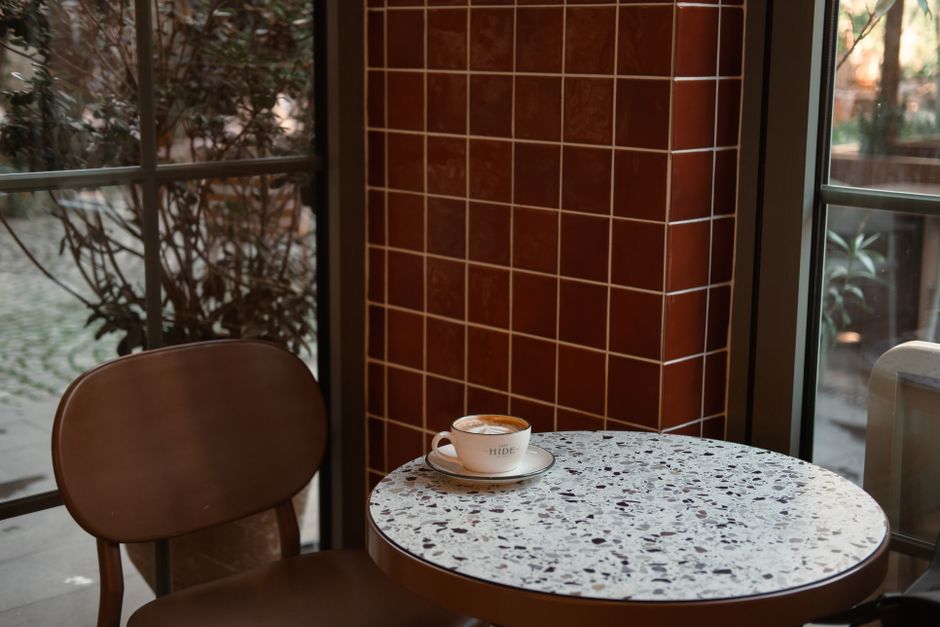
Day two starts early because your body clock won't let it not. Use that. Most cafes in the Sinsa and Garosu-gil area open at 8 a.m., and you'll have them mostly to yourself between 8 and 9:30 before the local crowd arrives. This is the magic hour for first-timers — quiet streets, light traffic, baristas with time to chat, and the shop windows just being set up.
My actual route: walk from any Sinsa-area hotel south down Garosu-gil, side-step into one of the smaller alleys (the side streets are better than the main strip — the main one has gotten too touristy), and find a cafe that's actually open. Anthracite, % Arabica, Felt, Fritz — any of the local roasters do real coffee. Stay 45 minutes. Watch the morning happen. Don't be on your phone the whole time.
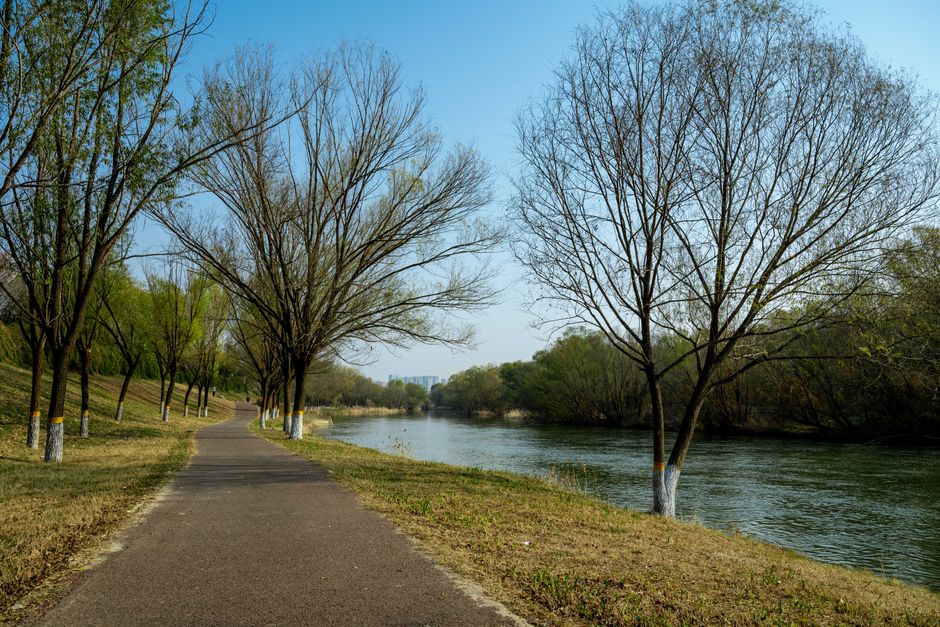
From there, walk east toward Apgujeong. It's about 20 minutes on foot. The Dosan Park area sits roughly between Sinsa and Apgujeong and is one of the prettiest neighborhood walks in the city — small park, designer storefronts, almost no crowds before 11 a.m. Loop the park, peek at the storefronts, and you've used a full morning without exhausting yourself.
Lunch around noon, casual, near where you end up. Naengmyeon (cold buckwheat noodles) is a great mid-day meal — light, hydrating, won't sit heavy. There are a few neighborhood spots in Apgujeong that have been doing it for thirty years and do it perfectly well.
Day two afternoon: the treatment, if it's today
If your one booked clinic visit is on day two — which I'd recommend over day one or day three for jet-lag and recovery reasons — give yourself a full afternoon for it. Most first-timers underestimate the time. A consultation plus the actual treatment plus the post-care discussion typically runs two to three hours. Then you want a quiet 30 minutes after, not a packed subway ride to the next thing.
My own routine for treatment afternoons: arrive 15 minutes early, fully hydrated, with sunglasses and a hat in my bag. Skip caffeine after about 11 a.m. so I'm not jittery during the consult. Bring a light snack for after — something gentle like a banana or a rice ball. After the appointment, walk slowly back toward the hotel. Don't make a dinner reservation for that night. You don't know how you'll feel.
Day-of dinner ends up being whatever's near the hotel and quiet. Convenience store porridge in the room is a real and dignified option. Or a small soup spot. Don't drink alcohol — pretty much every aftercare list says the same thing on this. The clinic will tell you what to avoid for how long. Take notes. Don't trust your memory after a long day.
Anything cosmetic done in Korea is regulated by the Ministry of Health and Welfare, and general patient guidance for visitors is published at <a href="https://www.mohw.go.kr/eng/" rel="dofollow">mohw.go.kr</a>. Worth a look before you go.
Day two evening: the soft option vs the BBQ option
If you didn't have a treatment today — if your booking is on day three — you have an actual evening to spend. There are two paths I'd offer. The soft path: dinner at a hanok-style place in Bukchon (15 minutes by taxi from Gangnam), then a walk through the village at twilight when the lanterns come on. It's touristy, yes, but it's touristy because it's actually beautiful. The crowd thins after 7 p.m.
The BBQ path: a real Korean BBQ dinner near Apgujeong or Sinsa with at least three people. BBQ is structurally bad for two — you can't order enough variety. With three or four, you get to try galbi, samgyeopsal, maybe a marinated rib. The neighborhood spots are better than the chains. Look for places where the staff cuts the meat for you and the menu is mostly Korean. Budget around $40-60 per person with drinks.
Whichever path, end the night at a cafe — Korean cafes stay open until 11 or midnight, and dessert culture here is genuinely better than the U.S. average. Bingsu in winter is a counterintuitive but excellent move. Patbingsu (red bean shaved ice) at any of the dedicated spots in Sinsa is a memorable dessert and a quiet way to close the day. In bed by 11. You'll need it.
Day three morning: recover, walk, see one real thing
Day three is recovery and one big thing. If your treatment was day two, your morning belongs to slow movement — long shower, leisurely breakfast (hotel breakfast is fine, or a cafe near you), no pressure to be anywhere by 10 a.m. You may have some residual tightness or dryness. Skincare is gentle, sunscreen is non-negotiable even in winter, and you keep moving but don't push.
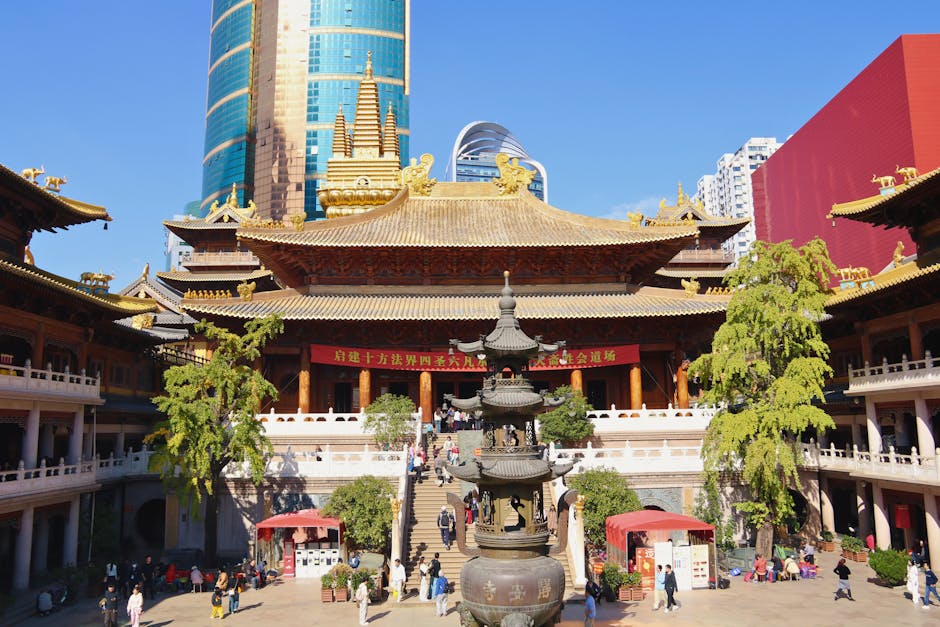
The one big thing I'd pick: a half-day at Bongeunsa Temple in Samseong. It's a working Buddhist temple right next to the COEX mall, which sounds like a contradiction but works. The temple grounds are calm even on busy days. There's an outdoor walking path, a giant Buddha statue, and a small tea hall where you can sit for 15 minutes without anyone bothering you. Take 90 minutes there. It feels like a real moment in the city.
Afterward, walk through COEX if you want air-conditioned recovery (or heated, depending on season), and find lunch in the mall basement food court — which is genuinely better than that sentence makes it sound. The food court has full restaurants, not stalls. Ramen, dumplings, kimbap, a Korean version of a tonkatsu place that's better than most freestanding places.
If temples aren't your thing, the alternative is the Han River. Take Line 9 to Banpo, walk the riverside path for an hour, watch the bridges. The Banpo Bridge fountain runs in the evening (in season) but the daytime walks are the better experience for someone who wants quiet. I wrote about that whole loop in my <a href="/dosan-park-loop-i-do-every-trip/">Dosan Park loop post</a> — same logic, smaller scale.

Day three afternoon: the things first-timers should actually do
If your treatment was today rather than day two, day three afternoon is rest, and the morning recommendations above don't apply — swap them for hotel time. If your treatment was earlier, your afternoon is the one shopping window of the trip. Don't blow it on chains.
My actual list for first-timers, in order of priority:
- Olive Young, the flagship in Myeongdong or the larger Gangnam location. Korean skincare in one place. Two hours, easy. - A Hyundai Department Store basement (Apgujeong). The food hall is where Koreans actually buy gifts to bring home. Pastry, hangwa traditional sweets, jeongol kits. - One stationery store. Korean stationery culture is its own thing — Object, MMMG, 10x10. Notebooks, pens, small paper goods. Cheap, gift-friendly, distinctly Korean. - A bookshop with English titles, usually for one Korean photo book or art book. Kyobo Mun-go (Gangnam branch) has a foreign book section.
Things I'd skip on a three-day trip: huge tour bus stops, Insa-dong if you only have one day for cultural shopping (Bukchon is better and closer), and any massive market that takes 90 minutes to walk through. Three days is too tight for that level of detour.
Dinner on day three should be the meal you really want. If you've been being good, this is where you let go a little — a long Korean BBQ, a multi-course place in Cheongdam if you want fancy, or a hand-cut noodle place if you want simple. Pack the leftovers if you're flying out the next morning. Convenience store breakfasts on travel mornings are a real Seoul thing.
What this plan deliberately leaves out
I'm not including any palaces, the DMZ, Nami Island, or Lotte World. Not because they're bad — they're great — but because three days is genuinely not enough to do them well alongside a treatment trip. The palaces alone (Gyeongbokgung, Changdeokgung, Deoksugung) deserve a full half-day each if you want them to mean something. Cramming one in between Apgujeong shopping and a clinic visit is how you end up with photos you don't remember taking.
I'm also leaving out the night market scenes. Gwangjang Market and Namdaemun are wonderful but they're loud, crowded, and not good for a face that just had something done to it. Save them for trip two.
And I'm leaving out almost all of "central Seoul" — Hongdae, Itaewon, Myeongdong proper. Three days in Gangnam means committing to Gangnam. The other neighborhoods are 25 to 40 minutes away by subway and the round-trip eats your day. Stay south of the river. Save the rest for next time.
The whole trick of a first three-day trip is treating it as a sample, not a survey. You can't see Seoul in three days. You can absolutely fall in love with one neighborhood of it, do one meaningful clinic visit, eat real food, and come home rested instead of wrecked. That's the actual goal. Everything in this plan is built backward from that.
“Three days isn't a survey of Seoul. It's a sample. The trick is picking one neighborhood, committing to it, and trusting that the other ones will still be there next trip.”
Rachel Bennett
Frequently asked questions
Is three days really enough for a first Seoul trip?
It's tight but workable if you stay focused on one neighborhood. Three days in Gangnam is enough to feel the city's rhythm, do one treatment, and eat well. It's not enough to also see palaces, DMZ tours, and other districts. Most first-timers I know who tried to do everything in three days came home tired and asking when they could come back. Pick one neighborhood, commit to it.
Should I book my treatment for day two or day three?
Day two if you can. Day one is jet-lag swelling, which doesn't show your face at its baseline. Day three is travel-stress dehydration plus you have a flight the next day, which compresses your recovery window. Day two means you arrive, sleep, settle, then go in fresh on the morning of day two with a full day after for any visible aftercare. That timing is the move.
Where should I stay if this is my first trip?
Sinsa or Apgujeong area for a first trip. Sinsa is cafe-and-boutique heavy, walkable, mid-priced. Apgujeong is quieter, more upscale, with the best department store basement food halls. Either keeps you within an easy walk of the spots in this itinerary. Avoid hotels far from a major subway exit — even a 15-minute walk gets old by day two.
How much money should I budget for three days in Gangnam?
Excluding the flight and treatment, plan roughly $150-250 per day for hotel, food, transit, and small shopping. Mid-range hotels run $120-180 a night, meals are $10-30 each, subway costs almost nothing. Cash isn't necessary — almost everywhere takes credit cards — but get about 100,000 won at the airport ATM for small spots and tips that aren't really tips.
Will three days give me time to see anything besides Gangnam?
Realistically, one short half-day excursion. Bukchon village (north of the river, 25 minutes by subway from Gangnam) is the most popular add-on and works well as a day-three afternoon if you skip the temple suggestion above. Trying to fit Hongdae and Itaewon and Myeongdong into the same three days is the rookie mistake. Pick one. Save the rest.
What if I'm coming alone — does this plan still work?
Most of it works fine solo. The BBQ dinner suggestion is the one part that needs adjustment — solo BBQ exists but isn't as fun. Swap that for a noodle bar, a casual sushi place, or a cafe-restaurant that's solo-friendly. Korean cafe culture is genuinely good for solo travelers. The Korea Tourism Organization has some solo-traveler tips at <a href="https://english.visitkorea.or.kr/svc/main/index.do" rel="dofollow">visitkorea.or.kr</a> if you want a starting point.