Travel & Culture
Is Garosu-gil Overrated? My Take After Six Visits
An honest revisit of Sinsa's famous tree-lined shopping street — what survived, what didn't, and what to do instead.
Garosu-gil is the question I get most from American friends planning a Seoul trip. "Is it still worth going?" "Is it overrated?" "My cousin said it's basically dead now." I have visited Garosu-gil on every one of my six Seoul trips, partly out of habit and partly out of a stubborn refusal to declare a place dead just because the internet did. So here's my honest answer after six rounds: it's not what it used to be, and it's also not over. The truthful answer lives in between, and I'm going to try to explain where exactly.
What Garosu-gil actually is, for first-timers
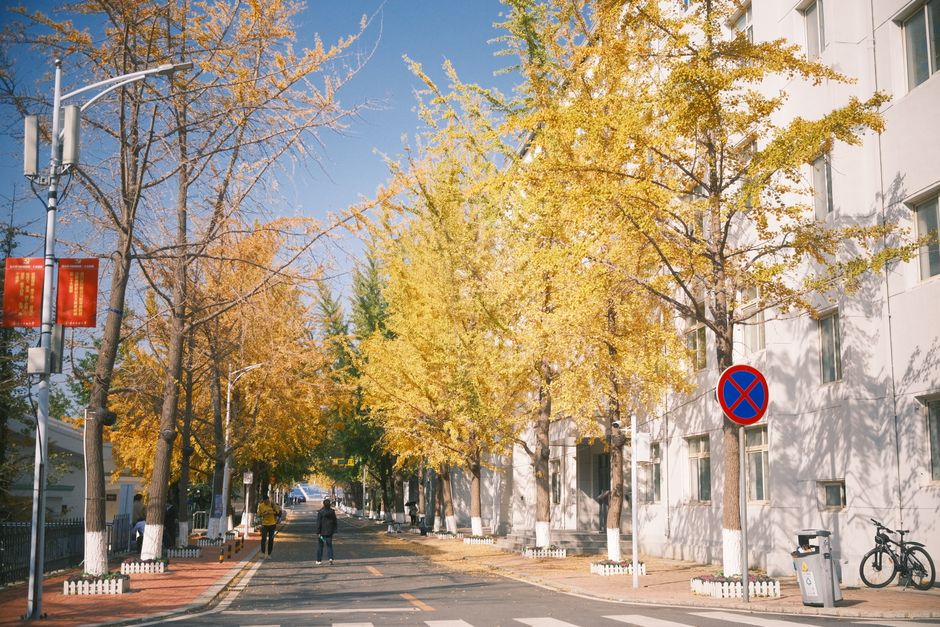
Garosu-gil is a 700-meter tree-lined street in Sinsa-dong, in the southeastern half of Seoul. The name literally translates to something like "tree-lined road" — a generic enough phrase that there are technically multiple garosu-gil in the city, but when someone says it without qualification, they mean this one. The trees are ginkgos, which means October is the famous moment and the rest of the year the street looks more like a normal commercial avenue. It rose to fame in the early 2010s as a kind of "Korean Soho" — independent boutiques, designer cafes, small-batch fashion. American travel media in the 2014-2018 window basically printed the name on a loop. Then around 2019-2020, three things happened: rents went up, the boutique scene fragmented to other neighborhoods (Sungsu, mainly), and Instagram moved on. The street is now a strange mix of legacy luxury flagships, surviving small businesses, mid-tier global brands, and a layer of "Insta-tourist" cafes that exist mostly to be photographed. None of which is the same as "dead."
What's still genuinely worth your time
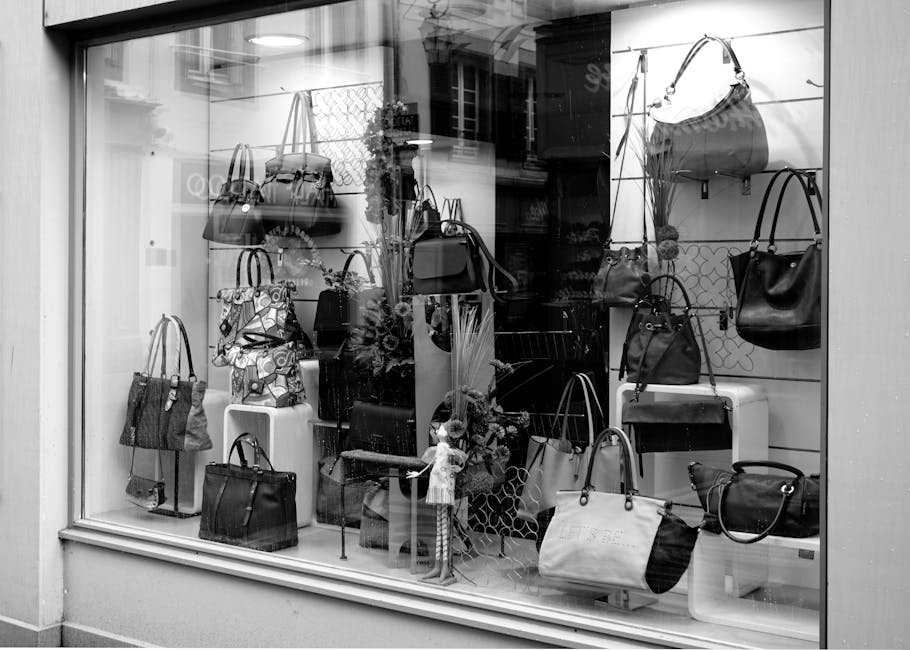
Here's the part of the street I still come back to. There's a stretch in the middle, maybe between the third and fifth blocks coming from Sinsa Station, where the older boutiques have hung on — a leather goods shop run by a woman who's been making the same six bag styles for 14 years, a stationery store with paper imported from Japan, a small Korean designer who does one quietly excellent capsule per year. The independent bookstore halfway up the street is still operating and still has a window display worth photographing. There's a tiny ramen place in the alley behind block four that serves an honest $9 bowl and is full of office workers at lunch. And the side streets — Garosu-gil's hidden gift — are full of small cafes that the main-street crowd never finds. My personal favorite is a place one block west, second floor, with a single long table by a window that gets afternoon light. I've worked there on three different trips. The owner remembers my drink order. None of these are "hidden gems" the way travel bloggers use the phrase. They're just small businesses that survived. That's the actual reason to walk the street: the survivors.
What's not worth it, honestly
The chain coffee shops on the main strip are the most expensive version of those chains in Seoul. The flagship sneaker stores are global brands you can find in the U.S. for less. Most of the "viral" cafes from 2022-2024 have either closed, changed hands, or are running on the last vapor of their Instagram tail — paying $35 USD for an iced coffee with a rose petal on it stopped being charming around the second year. The clothing boutiques that opened during the bigger luxury chain push (some of them as recently as 2023) feel airport-store generic. The street food at the south entrance is fine but you'll get better street food cheaper in literally any traditional market in Seoul. And the photo spot in front of the famous tree at the southern intersection now has a queue on weekends, which I find more depressing than the line itself warrants. The most concentrated tourist-trap density is roughly the first two blocks coming from Sinsa Station. If you push past those and start looking at the middle and end of the street, the ratio of survivor to gimmick improves substantially.

The side-street thing nobody tells you about
I think the single biggest piece of Garosu-gil advice I'd give a first-timer is to not actually spend much time on Garosu-gil itself. The cross-streets and parallel alleys — collectively called Sero-su-gil by locals — are where the actual interesting stuff still lives. These are narrower lanes, less commercial, with second-floor cafes, ground-floor workshops, the occasional gallery, and a much higher density of independent businesses. There's a vintage shop on one of the parallel streets that's the size of a one-car garage and is genuinely the best curated pre-loved selection I've found anywhere in Seoul. There's a tiny Korean pottery studio where the artist is usually at the wheel when you walk in. There's a candle shop that does scent consultations and where I've spent an embarrassing amount of money over the years. The geometry of the area is roughly six parallel streets running south-to-north plus the main Garosu-gil itself, and the cross-streets connecting them are the gold. I've never seen a guidebook lead with this. They all lead with the main strip. Don't fall for it. Treat Garosu-gil itself as the connective tissue between the more interesting blocks on either side.
How the food scene has shifted
Sinsa-dong's restaurant scene around Garosu-gil is one area where I think the street has genuinely gotten better, not worse, in the past few years. The big trend has been small — 8 to 12 seats, single chef, single concept, $40-80 USD per person for dinner, no reservation system other than a phone-line that goes to voicemail in Korean. There's a kalguksu place on the southern end that does only one soup but does it perfectly. There's a Japanese-inspired tasting place hidden on the third floor of an otherwise unremarkable building that serves five courses for $55. The pizza scene in particular has surprised me — there are three Korean wood-fired pizza places within five blocks of each other that would not embarrass themselves in Brooklyn, and one of them has a sourdough that I'd put up against the better Williamsburg places. The breakfast situation is the weak link. Korean breakfast culture is just different — most cafes don't open until 11 a.m., and the western-style brunch places in Sinsa are mid at best and overpriced at worst. If you want to eat well in this neighborhood, plan around dinner. The lunch options are decent. The breakfast options are why I do hotel breakfast and walk down for an 11:30 coffee.

When to go, when not to go
The street has a very specific rhythm that I've calibrated over my six trips. Weekday mornings between 10 a.m. and noon: the best time, full stop. Quiet, light foot traffic, the cafes are open but not packed, and the ginkgo light in October hits just right around 11:30. Weekday afternoons: still pleasant, slightly busier. Weekday evenings: the dinner crowd shows up around 7 p.m., but it's manageable and the lighting is beautiful. Saturday afternoons: completely avoid. I went once on a Saturday in October at peak ginkgo and I genuinely could not move on the sidewalk. The crowds make the street feel exactly like everyone who calls it "overrated" thinks it is. Sunday mornings are a good compromise — quieter than Saturday, lighter than weekdays. After a treatment, when I'm avoiding stimulation, I'll skip the main street entirely and do the parallel alleys, which stay calmer all week. The Korea Tourism Organization has more on the neighborhood's seasonal events in their <a href="https://english.visitkorea.or.kr/svc/main/index.do" rel="dofollow">official visitor guide</a>. I plan my Garosu-gil hours around the weather, the crowds, and what my face is doing post-procedure. After six trips, none of that feels like overthinking. It's just how I do the neighborhood.
“Going to Garosu-gil specifically for Garosu-gil will probably disappoint you. Going there as part of a Sinsa neighborhood loop, hitting the parallel streets and the surviving small businesses, is still genuinely worth a half-day.”
Rachel Bennett
Frequently asked questions
So is Garosu-gil overrated or not, in one sentence?
It's overrated as a destination and underrated as a side stop. Going to Garosu-gil specifically for Garosu-gil will probably disappoint you in 2026. Going there as part of a Sinsa neighborhood loop, hitting the parallel streets and the surviving small businesses, is still genuinely worth a half-day.
How long should I plan for the visit?
If you're just walking the main strip and grabbing a coffee, 45 minutes. If you're doing the side streets, the parallel alleys, a proper lunch, and maybe a vintage shop or two, allow about three hours. I usually pair it with an Apgujeong walk in the afternoon, which adds another two hours and gets you a fuller Sinsa-Apgujeong neighborhood feel.
Is it walkable from a hotel near Gangnam Station?
Walkable in theory — about 25 minutes — but I wouldn't. Take the subway one stop north on Line 3 to Sinsa Station, exit 8, and you're at the southern end of Garosu-gil in three minutes. The walk from Gangnam Station is along a busy six-lane road that is not pleasant. The subway costs about $1.30 USD.
What should I buy if I'm shopping?
Stationery, leather goods, niche K-beauty, and Korean designer pieces from the surviving small boutiques. Skip global brand flagships unless you've been priced out of them in the U.S. The independent stationery shop on the west side of the street and the bookstore are both genuinely worth a 30-minute browse. <a href="/korean-skincare-pharmacy-haul/">My Korean skincare haul post</a> has more on specific product picks.
Are there places to sit and recover if I'm post-treatment?
Yes — the second-floor cafes on the parallel streets are the move. They tend to be quieter, less photographed, and have more comfortable seating than the main-strip places. Look for cafes one street east or west of Garosu-gil. The light is gentler and the music is usually lower. <a href="/best-cafes-near-my-clinic/">My cafe list</a> covers a few I keep returning to.
Is it dressy or casual?
Casual but considered. Korean Garosu-gil regulars dress in muted tonal layers, comfortable shoes, and one architectural piece. You absolutely don't need to be in heels. You'll also probably feel slightly underdressed in athleisure. Aim for the middle: jeans, a nice sweater, a coat that fits well, sneakers that aren't running shoes. That's the safest register.