Travel & Culture
What I Tell My American Friends Who Are Thinking About Korea
The unvarnished answers I keep repeating in DMs — what works, what doesn't, what I wish someone had told me on trip one.
Every two or three weeks, an American friend sends the same message in some form. "I am thinking about Korea, what do I need to know?" Most of them are asking three or four overlapping questions at once — about flights, money, food, language, and lately, about treatments in Gangnam. I have given the same answers so many times now that I am putting them down in one place. This is the version I wish someone had handed me before my first trip, written from a Bay Area apartment after my fourth or fifth.
First — yes, you can do this trip
The fear I hear most often is some version of "I don't speak Korean, I will get lost, I will starve." None of that has happened to anyone I know who actually went. Seoul is one of the easiest big cities in the world for a first-time American visitor — the subway has full English signage, taxis use Kakao T (which works exactly like Uber and accepts US credit cards), Naver Map and Papago handle the rest. Most servers under forty in Gangnam will switch to English when they hear you stumble in Korean.
The one practical block is the airport-to-city handoff if you land late. ICN closes the express train around 11:30 p.m. and the airport limousine bus thins out after midnight. If your flight gets in past 11 p.m., book a Kakao T black or use a pre-booked transfer. That single change saves about ninety minutes of stress on day one. For where to actually drop your bag once you get there, see where I stay in gangnam treatment trip — I have rotated through five or six hotels and have a working shortlist.
Money is simpler than the internet makes it sound
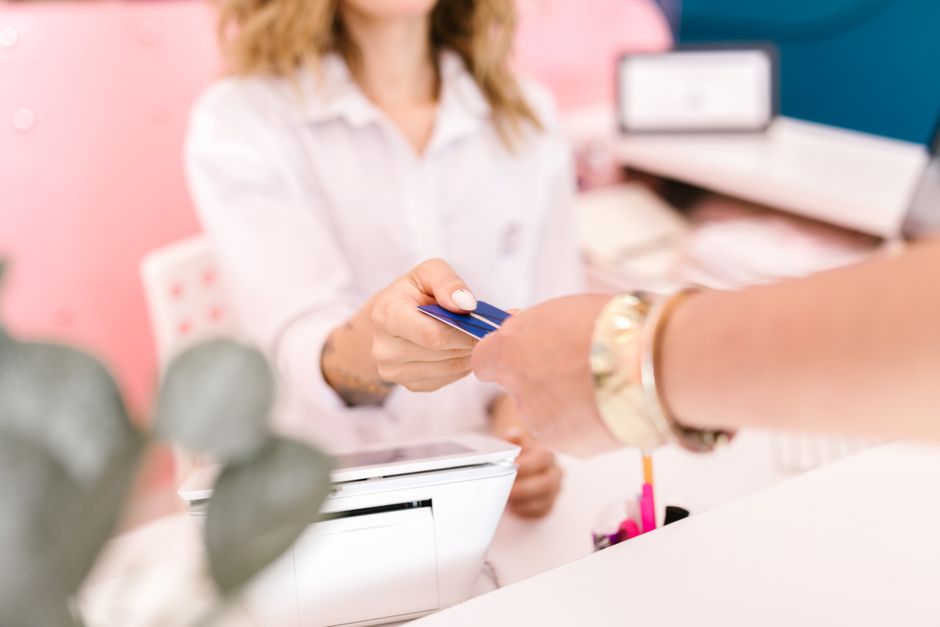
Half the friends who message me are knee-deep in a Reddit thread arguing about WOWPASS versus Wise versus a sock full of cash. The honest version — bring a no-foreign-fee credit card (Chase Sapphire Preferred, Capital One Venture, or any Apple Card alternative all work), and pull about $200 in cash from a Citibank or Shinhan ATM your first afternoon. Almost everywhere in Seoul takes credit, including small cafés. The cash is for the handful of older restaurants, occasional taxi drivers who prefer it, and a temple visit if you do one.
T-money for transit is the one card I do recommend. Buy it at any convenience store for 4,000 KRW, top it up with cash, and tap into every bus and subway. It also works at most convenience stores for snacks, which is convenient when your hands are full. Skip the airport currency exchange counters — the rate is bad and the ATM saves you 5 to 7 percent on a typical trip.

Food, including the post-treatment version
American friends always ask if Korean food is too spicy. The honest answer is some of it is, most of it isn't. Bibimbap, jjigae stews, korean BBQ, mandu, and most rice bowls are gentle. Tteokbokki and certain ramyeon will smoke you out if you are not used to it — order "deol maewoo" (less spicy) and you will be fine. The bigger thing nobody warns you about is that you will eat more rice and less salad than you do at home, and you will feel different by day three. That is normal. Drink more water than you think you need.
If you are coming to Gangnam for treatments, the food strategy shifts. Soft, room-temperature, low-acid for the first day after Ultherapy, lasers, or peels. I keep an updated post on what I eat when jet-lagged that doubles as a soft-food guide for clinic days. The short version — soft tofu stew, plain juk (rice porridge), milk bread, soft sandwiches, iced Americano. Skip carbonated drinks and very hot food for the first couple of hours.
If you are coming for a clinic visit, the prep matters
This is the part most of my American friends underestimate. They book the flight, find the clinic, and treat the rest of the trip like vacation. It works fine — but you can run it better. Build in a buffer day at both ends. Day one for jet lag, day last for any post-treatment redness or swelling before you fly back. Don't book your treatment the morning after a 14-hour flight. Your face will not be at its best, and the post-treatment feedback your provider needs from you will not be reliable.
Message the clinic two weeks out with photos in good light. Ask specifically about pre-treatment skincare — when to stop retinol, vitamin C, acids, anything active. Most clinics will tell you five to seven days off. I land in Seoul with a stripped-down skincare bag for that exact reason — no actives until I am cleared after the procedure. The clinic will also tell you which over-the-counter painkillers are okay (usually acetaminophen, not ibuprofen, before treatment) and whether to come in with a clean face or makeup is fine.

Small things Americans get wrong on day one
Tipping. Don't. Servers, taxi drivers, hotel staff — none of them expect a tip and many will chase you down to return change. The exception is a hotel concierge who has done something genuinely beyond their job. A 1,000-KRW handoff is more than enough.
Trash. There are almost no public trash cans on Seoul streets. Carry a small ziplock for the day's wrappers and toss it back at your hotel or a convenience store. This is not a rule that gets explained on signs.
Shoes. Take them off when entering most homes, some restaurants, and almost all temples. Slip-on shoes save you ten minutes a day.
Volume. Americans, including me, are loud by Seoul subway standards. Keep your phone calls and laughter dialed down on public transit. Nobody will say anything but you will feel the room.
Maps. Google Maps does not give walking directions inside Korea. Use Naver Map (English version exists) or KakaoMap. They are better than Google for this country, full stop.
What I wish someone had told me
Pace yourself. The temptation on a first Korea trip is to book every district, every market, every viewpoint. You will burn out by day four and miss the actual charm — which is in the slow afternoons. A good Gangnam day, for me, looks like coffee and a quiet walk to my appointment, the appointment, lunch somewhere soft, an hour at a café reading or working, dinner with one friend or alone. Not a 14-stop itinerary.
Learn three Korean phrases. "Annyeonghaseyo" (hello), "gamsahamnida" (thank you), "juseyo" (please, used with food orders — "americano juseyo"). That is enough to feel less like a tourist and to get warmer service. The bar is genuinely that low. Anything beyond is a bonus.
Finally — bring loose-fitting clothes for the flight home if you are coming after a treatment. Compression on a 10-hour flight is the last thing your face wants. I learned this the hard way after my second Ultherapy trip and have packed loungewear ever since. For the last evening before flight day, see gangnam spa day recovery — a slow steam-and-shower hour resets you better than anything else.
Frequently asked questions
Do I need a visa to visit Korea as an American tourist?
Most US passport holders can enter Korea visa-free for stays up to 90 days. You do need to apply for K-ETA (Korea Electronic Travel Authorization) before flying — it costs about $10, takes a few minutes online, and is valid for two years. Apply at least 72 hours before departure. Print or screenshot the confirmation; the airline will ask for it at check-in.
Is it safe to drink the tap water in Seoul?
Technically yes, the tap water meets WHO standards and most locals drink it filtered. In practice, most restaurants serve filtered or bottled, and most hotels provide bottled. I drink filtered tap at home and bottled at restaurants. If you have a sensitive stomach for the first two days of any trip, stick to bottled until you adjust — same advice I would give for traveling anywhere.
How much should I budget per day in Seoul?
Without treatments, a comfortable Gangnam day runs about $120 to $180 for one person — $40 to $60 on food (one nice meal, two casual), $20 to $30 on coffee and snacks, $15 to $25 on transit and incidentals, plus your hotel. You can do it cheaper at $70 to $90 with convenience-store breakfasts and subway-only transit. Treatments are a separate budget line and vary widely by procedure.
Can I get by in Seoul without speaking any Korean?
Yes, easily, especially in Gangnam, Hongdae, Itaewon, and the airport corridor. Subway and bus signs are bilingual, most restaurants in tourist areas have English menus or photo menus, and Papago (the translation app) handles the rest. Three polite phrases (hello, thank you, please) go a long way. You will not be stranded.
What is the best time of year to visit Seoul?
Late April through May (cherry blossoms and mild weather) and late September through October (autumn foliage, low humidity) are the easiest. Summer is hot and humid and the rainy stretch in July is real. Winter is cold but dry and the city looks beautiful — pack a serious coat. For clinic visits, I prefer fall because post-treatment skin handles cool, dry air better than humid heat.
Do I need travel insurance for a treatment trip?
I would get it. Look for a policy that covers medical complications abroad and trip interruption — World Nomads, SafetyWing, and Allianz all have versions for under $80 a week. Read the fine print on elective cosmetic procedures; some policies exclude them but will still cover unrelated emergencies (a fall, food poisoning, a sudden infection). I have never had to use it. I still buy it every time.