
Travel & Culture
What I Actually Pack for a Seoul Clinic Trip
Four trips in, here is the working packing list — what I bring, what I leave behind, and the small things that quietly change how the week feels.
I have packed for a Seoul clinic trip four times now, and the list keeps getting shorter. The first trip I overpacked by maybe forty percent — three coats, full skincare arsenal, a printer-paper folder of documents I never opened. The fourth trip I went carry-on only for ten days. This is the working packing list I actually use, organized by what matters for a treatment-focused trip rather than a general Seoul tourist trip. The two are not the same.
Why a clinic-trip packing list is different
A clinic-trip packing list is a packing list optimized around the recovery window between treatments rather than around sightseeing or photo opportunities. The math is different. You are spending most of your time within a 1.5-kilometer radius of the clinic strip, you are dressing for comfort during a window when your face might be slightly red or tender, and you are traveling at least one of the days with a medical-document folder that needs to be findable in under thirty seconds at airport immigration.
What that means in practice: fewer outfit changes, more soft fabrics, a real focus on sun protection rather than fashion, and a documents-and-medical kit that you can actually find when you need it. After three trips of refining, I have settled on a list that works for both Ultherapy and laser-focused trips, with small adjustments if I am also doing injectables or skin boosters.
The clothing list, ranked by how often I wear each item
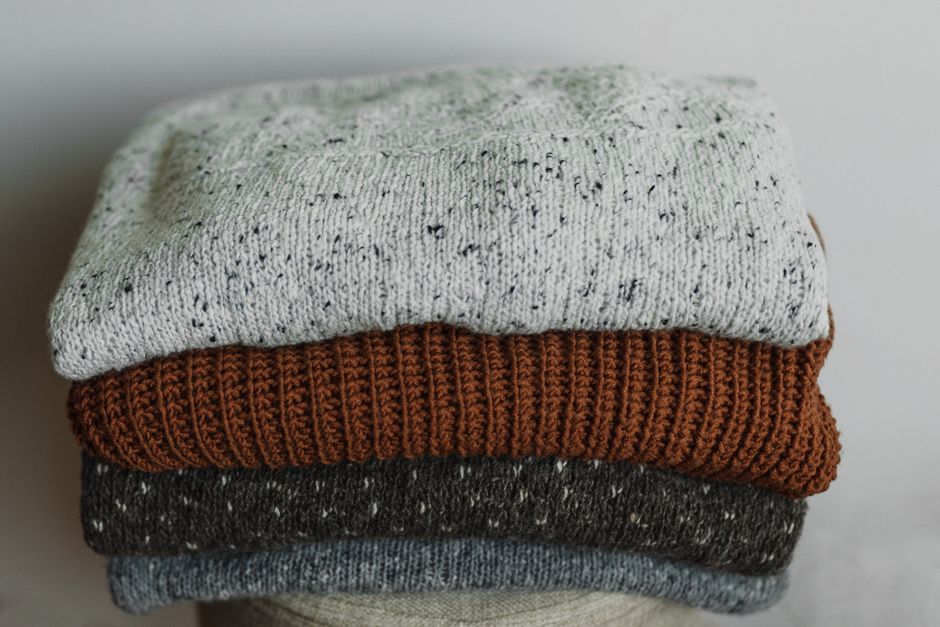
I keep my clothing list lean and built around layers, because Seoul weather can swing fifteen degrees Fahrenheit between morning and evening even in spring, and I do not want to be the person carrying a bulky coat into a 22-degree clinic waiting room. The wardrobe is mostly soft, mostly washable in a hotel sink, and mostly forgivable on days when my face feels a little tender and I do not want anything tight against my jawline.
My core list is two pairs of soft pants, three knit tops, one cardigan, one button-down for any business-style dinners, sneakers I can walk eight kilometers in, and a single packable down jacket that doubles as a pillow on the flight. I bring exactly one nicer outfit for the night I usually go out for omakase or a proper dinner. Everything else is comfort-first.
- 2x soft pants (one drawstring, one tailored)
- 3x knit or jersey tops, neutral colors
- 1x cardigan, 1x button-down
- 1x packable down jacket (also flight pillow)
- 1x sneakers (8 km daily walks)
- 1x nicer outfit for one dinner
- Underwear and socks for 7 days, sink-washable
The skincare and post-treatment recovery kit
This is the part of the packing list I obsess over. After my second trip, I learned that bringing too much skincare from home is actively counterproductive — Seoul drugstores carry better and cheaper versions of most of what I was packing, and the climate response your skin has in Korea is different from what you get in California, so the products you brought may not match what your skin actually wants on day three. The fix was to pack a minimal kit and buy the rest at Olive Young the morning after I land.
My travel kit is now: gentle cream cleanser in a 50 ml bottle, hyaluronic acid serum, ceramide moisturizer, mineral SPF 50, lip balm, and a small tube of post-procedure healing balm my dermatologist back home recommends. That is it. The rest — sheet masks, hydration mists, the specific Korean products I want for the trip — I buy locally on day one and leave behind on the way out. I have written a longer post on the Korean skincare pharmacy haul I always do if you want the specifics on what I actually buy.

Documents and the medical paperwork folder
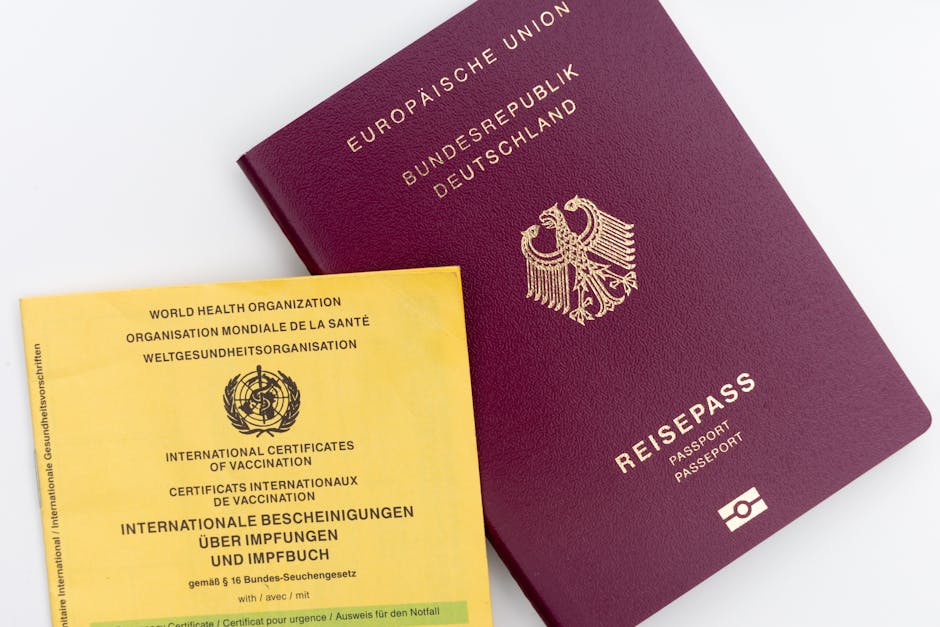
The documents folder is the part most travelers underestimate. You want a single physical envelope or zip pouch — I use a slim plastic zip pouch from Muji — that lives in your carry-on personal item and contains everything an immigration officer or a clinic intake nurse might ask for in the first 48 hours of your trip. Mine has my passport copy, printed clinic appointment confirmations, my home dermatologist's contact card, a current medication list with generic names and dosages, and printed proof of accommodation.
I also keep a digital backup of all of it in a single folder in my phone's Files app, downloaded for offline access. Korean immigration has not asked me for paperwork yet on any of the four trips, but the clinic intake forms have asked for specific information twice, and having it ready in one place rather than scrolling through email at the front desk is the difference between a smooth check-in and a frustrating one. There is also a useful KHIDI overview of Korea's medical tourism framework worth scanning before your first trip, especially if you have questions about how the foreign-patient registration system works.
- Passport + 2 photocopies (one in luggage, one at hotel)
- Printed clinic appointment confirmations
- Current medication list (generic names + dosages)
- Home dermatologist's contact card
- Travel insurance card and emergency number
- Hotel booking confirmation (printed)
The sleep, comfort, and recovery items I never travel without
These are the small things that quietly change how the trip feels, and I would not skip any of them again. A silk pillowcase from home, because hotel pillowcases vary and silk is gentler on a face that has just had MFU energy delivered. A small humidifier — I use a tiny USB-powered one that fits in a coat pocket — because Korean hotel rooms run dry, especially in winter. A reusable water bottle. An eye mask and earplugs. A bottle of magnesium glycinate for the first three nights of jet lag, which has done more for my Seoul sleep quality than any other single thing I have tried.
I also bring my own electric toothbrush and one specific Korean-language phrasebook page screenshot saved to my phone, because reading aloud the names of the medications I take has made two clinic intakes meaningfully smoother. None of this is fancy. All of it is the difference between arriving sharp at a 9 a.m. consultation and arriving slightly off.

What I deliberately do not pack anymore
The skip list is almost as important. I do not pack a hairdryer — every Seoul hotel I have stayed at has a perfectly good one. I do not pack a power adapter for anything other than my laptop, because hotel rooms have plenty of Korean Type C and F outlets and most of my devices charge over USB-C, which works either way with a small dual-port plug. I do not pack a heavy coat, because I would rather buy a Korean down jacket on arrival if the temperature genuinely demands it.
I do not pack high heels — Gangnam is more walkable than I expected and I have never regretted leaving them. I do not pack a pile of books — I read on my phone and I always end up buying two physical books at Kyobo Bookstore I had not planned for. I do not pack workout clothes for the gym; I take the trip as a real recovery week and walk eight to ten kilometers a day instead. The shorter your list, the less mental load the trip carries, and after a long flight that is its own kind of comfort.
Frequently asked questions
How big a suitcase do I actually need for a 7 to 10 day Seoul clinic trip?
Carry-on only is realistic for ten days if you are deliberate. I use a 22-inch carry-on plus a personal item tote, and I have done up to twelve days that way without checking a bag. If you plan to shop at Olive Young or buy clothes in Hongdae or Garosu-gil, factor in a folded duffel for the way home. Skip the full-size suitcase unless you are also doing a separate Jeju extension or a longer trip with multiple weather zones.
What should I leave room for in my luggage on the way home?
Skincare hauls, two to three coffee bean bags, snacks, and at least one or two small souvenirs. I leave roughly 30 percent of my luggage empty on the way to Korea. Olive Young hauls alone can fill a small zip pouch — sheet masks, sunscreens, exfoliating toners that I cannot buy at home. Pharmacy items if your home country allows them. A small folded tote in your suitcase makes overflow easy.
Do I need to pack medications, or can I just buy them in Seoul?
Bring all prescription medications you regularly take, in their original labeled containers, with a list of generic names and dosages. Korean pharmacies are excellent but do not always carry exact equivalents to American prescriptions, and refilling a controlled medication abroad is a process you do not want to start mid-trip. Over-the-counter items — pain relievers, antihistamines, electrolyte tablets — are easy to buy locally and often better.
Is it worth packing a silk pillowcase or specific recovery items?
For a face-focused treatment trip, yes. A silk pillowcase, a small portable humidifier, and a soft cleanser are the three I always pack. They are tiny, they pack flat, and they directly affect how my skin behaves on day three after Ultherapy or a fractional laser. If you are not doing facial procedures and your trip is focused on a different treatment area, the silk pillowcase still helps with sleep quality but is less essential.
What season-specific items should I pack for Seoul?
Spring and fall: a light packable down jacket and an umbrella that fits in a tote. Summer: a real wide-brim hat, mineral SPF 50, and an extra change of layers — the humidity is intense from late June through August. Winter: thermal layers, a warm hat and gloves, and waterproof shoes if you are coming in January or February when Seoul gets occasional snow. The clinic itself is climate-controlled year-round, so you are mostly dressing for the walks between buildings.
How do I pack documents so they are easy to find at the clinic check-in?
One slim zip pouch in your personal item, with passport copy, printed appointment confirmations, current medication list, and home dermatologist contact card on top. Phone backup of the same documents in a single offline folder in your Files app. I have arrived at clinic intake twice in five trips where this saved me from scrambling through email at the front desk, and zero times where I regretted having it. The cost is one Muji pouch and ten minutes of pre-trip prep.