Travel & Culture
Where I Actually Stay When I'm in Gangnam for Treatments
Cheongdam, Sinsa, Apgujeong — the rooms that survive a recovery week, not just a sponsored Instagram post.
I'm Rachel. I've been flying to Gangnam two or three times a year since 2022 — mostly LA-to-ICN — and I've stayed in a lot of hotels by now. Some I'd rebook tomorrow. Some I would actively warn my sister away from. This isn't a sponsored list. Nobody's paying me. These are the rooms that actually work when your face is swollen, you're jet-lagged, and you have a follow-up at 11am the next day. By neighborhood, in the order I'd recommend them.
Cheongdam — where I stay when I'm being good to myself
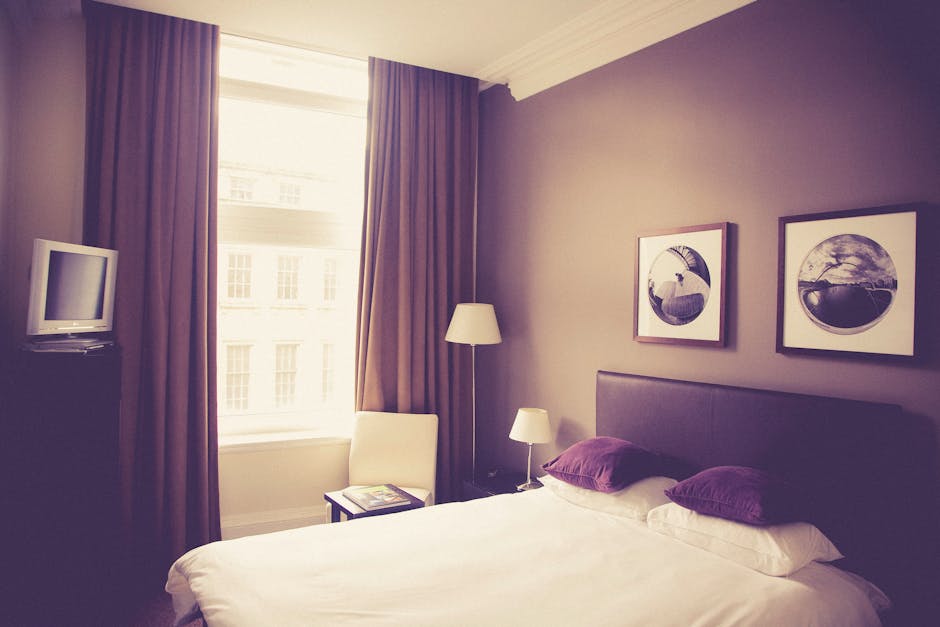
Cheongdam is the calm, expensive, quietly-rich corner of Gangnam — and for a treatment trip it's perfect. The blocks are wide, the streets are quiet, the cafes don't blast K-pop, and most of my clinic appointments are within a ten-minute walk. My personal favorite is Andaz Seoul Gangnam — modern, calm, the bathrooms have actual soaking tubs, and the rooftop bar overlooks Apgujeong if you want to feel like a movie character. Park Hyatt Seoul is the slightly grown-up version: quieter, lower energy, the kind of place where I get my best post-treatment sleep. Both are pricey — figure $350-550 a night for nice rooms — but the recovery experience is genuinely better. Heavy curtains. Real blackout. Quiet hallways. When my face hurts at 3am, I want a hotel that already gets it without me having to explain. Cheongdam hotels do.
Apgujeong — for when I want to walk everywhere
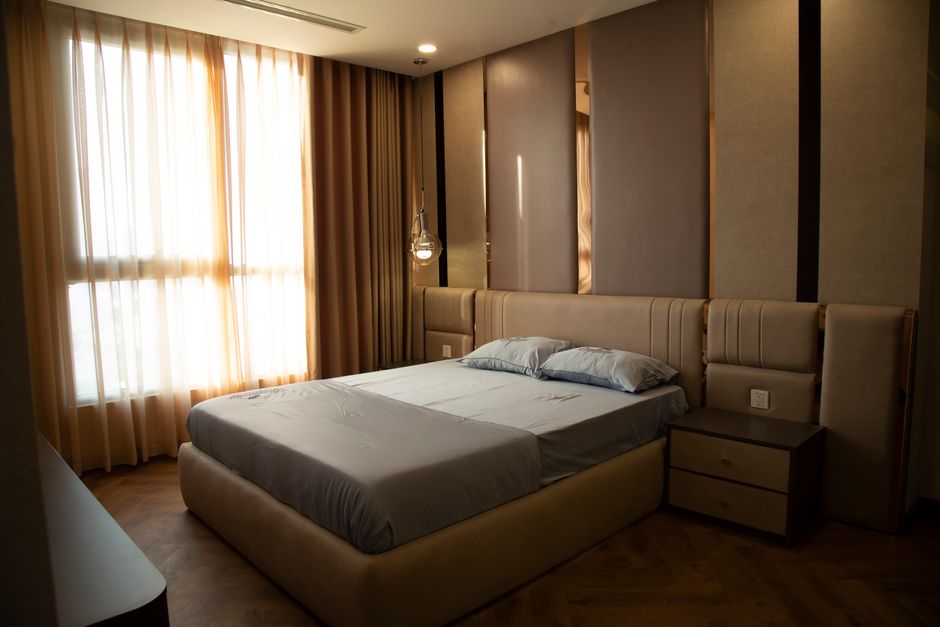
Apgujeong is where I stay when I'm doing more than just treatments — when there's vintage shopping on the list, dinner reservations, friends to meet. The cluster around Apgujeong Rodeo Station is denser, more energetic, more cafe-walkable. The Galleria area has a few solid mid-tier hotels — I've stayed at one tucked behind the department store that I won't name only because the price is reasonable and I don't want it discovered. There's also a Marriott Executive Apartments near here that I'd recommend if you're staying longer than a week — kitchenette, living room, laundry. Stupidly useful when you're recovering. The downside of Apgujeong: louder evenings, more foot traffic, and the rooftop bars on Garosu-gil carry sound. If you're swollen and sensitive, Cheongdam is calmer. If you want to actually be in the city, Apgujeong wins. I've done both. Both are right for different trips.

Sinsa-Garosu-gil — the budget-but-still-cute option
Sinsa is my friend. Specifically, the small designer-hotel cluster between Sinsa Station and Garosu-gil, which has gotten really good in the last three years. Hotel Cappuccino was an early favorite of mine — design-forward, Korean indie aesthetic, cafe downstairs, $180-220 a night. Henn-na Hotel Sinsa is another one I've used for shorter trips. Boutique-y, slightly cheaper, decent room layouts. The trade-off: Sinsa is louder than Cheongdam, especially Friday-Saturday when Garosu-gil gets going. Earplugs required. But if your trip is more about treatments + light walking + cafe days, and you don't need a $500-a-night hotel, Sinsa is genuinely good. The metro to Apgujeong-Cheongdam is one stop, taxis are cheap, and you can walk to several clinics. I send my LA friends here when they're nervous about the price tag of Cheongdam.
What I look for in a recovery-friendly room
After eight or nine treatment trips, I have a checklist. Real blackout curtains — not the cute linen ones that let the morning light through. A room temperature you can actually control (Korean hotels often run very warm by US standards, and a swollen face hates a hot room). A bathtub, not just a shower; soaking is the single most underrated part of recovery. A mini-fridge that actually gets cold, because you're going to want cold compresses and you don't want them lukewarm. Quiet floor placement — I now request a room above floor 8, away from elevators, every single time, and most hotels in Gangnam are gracious about it. And a hotel staff that can call you a cab without you needing to explain anything. Sounds small. Matters a lot when you're tired and your face hurts.

Long stays — Airbnb vs serviced apartment vs hotel
If I'm staying more than ten days — and I do this twice a year now — hotels stop making financial sense and I move into something with a kitchen. Korea has a great category called serviced apartments (Marriott Executive, Fraser Place, Somerset Palace) that are essentially studio apartments with hotel service. Better than Airbnb in my experience because the wifi works, the heating works, and someone responds when you have a problem. Real Airbnbs in Gangnam are hit or miss; the photos lie about size more than in any other city I've been to. The honest math: a 14-night Cheongdam hotel runs me $4,500-7,000. A serviced apartment for the same period is $2,800-4,200. A small studio Airbnb is $1,500-2,500 but I've had wifi disasters, broken AC, and an apartment that smelled distinctly of fish that I cannot prove was related to anything. I'd skip Airbnb for a recovery stay. Serviced apartments are the move.
What I avoid — the hotel categories I'd skip
Three things to avoid, learned the hard way. Love hotels — yes, they exist all over Gangnam, no, you don't want one for recovery, the lighting alone will make you sad. Hostels and capsule-style rooms — fine for college trips, not when you have post-procedure swelling and need to actually rest. And what I'd loosely call 'Instagram hotels' — the hyper-designed boutique places where every surface is poured concrete and every lamp is sculptural. The aesthetic is great, the soundproofing is usually terrible, and the beds tend to be on the firm side because firmness photographs well. I made this mistake once on a trip near Seongsu and I came back to the LA flight with a stiff neck on top of a swollen face. The Korea Tourism Organization runs an official accommodations search at Visit Korea which is decent for filtering — I cross-reference it with Booking and Hotels.com. For premium stays the KHIDI Korea medical-tourism portal sometimes lists hotels with documented clinic-coordination services, which is genuinely useful.
My rotation — what I actually book in 2026
Honest, unfiltered rotation: short solo trips (3-4 nights, just treatments), I book Andaz Seoul Gangnam in Cheongdam. Mid-length trips (5-8 nights, treatment plus a little exploring), Park Hyatt Seoul if I'm splurging, the small Apgujeong boutique I'm not naming if I'm being practical. Long stays (10-21 nights), Marriott Executive Apartments or Fraser Place — kitchen, laundry, room to actually unpack. When my mom comes (we did a mother-daughter trip last fall), Park Hyatt because she sleeps deep there and the staff handle her gently. When my younger cousin came on a girls' trip, Hotel Cappuccino in Sinsa because it's pretty and reasonable and we wanted to walk Garosu-gil at night. Different trips, different rooms. The point isn't to find the one perfect Gangnam hotel. It's to know which one fits which trip — and to stop trying to make a five-star room work for a budget Sinsa weekend, or vice versa.
“When my face hurts at 3am, I want a hotel that already gets it without me having to explain. Cheongdam hotels do.”
Rachel Bennett, day-of-treatment journal
Frequently asked questions
Which Gangnam neighborhood is best for a treatment trip?
Cheongdam if your priority is recovery — quieter blocks, better blackout, calmer hotels, walking distance to most premium clinics. Apgujeong if you want to balance treatments with shopping and dining. Sinsa-Garosu-gil if you're working with a tighter budget but still want walkable cafes and easy metro access. I've used all three depending on the trip; Cheongdam wins for pure recovery comfort.
How much should I budget per night in Gangnam?
Honest ranges from my actual bookings: Cheongdam premium hotels run $350-550 a night, Apgujeong mid-tier $220-340, Sinsa boutique $160-240, serviced apartments for long stays $200-280 a night when amortized. Airbnbs go lower but with bigger quality variance. Recovery trips are a place I personally won't cheap out — sleep quality directly affects how I heal.
Are serviced apartments better than hotels for longer trips?
For stays longer than about ten days, yes — and I now default to them. Marriott Executive Apartments, Fraser Place, and Somerset Palace are the three I've used. You get a kitchenette, a living room, laundry, and hotel-grade housekeeping. The math beats nightly hotel rates after roughly day twelve. Wifi and heating reliability are also dramatically better than Airbnb in my experience, which matters when you're recovering.
Should I worry about the language barrier at hotels?
Not really, especially in Cheongdam-Apgujeong. International-brand hotels (Hyatt, Marriott, Hilton) have English-fluent front desks. Even smaller boutique hotels in Sinsa generally have at least one English-speaking staff member per shift, and translation apps fill any gaps. The bigger language gap is at neighborhood restaurants and pharmacies, not hotels.
Is it worth staying outside Gangnam to save money?
Probably not for a treatment-focused trip. Hannam, Itaewon, and Seongsu have charming hotels but you'll spend 25-40 minutes in traffic each way to reach Gangnam clinics. After Ultherapy or any device-based treatment, that commute is genuinely unpleasant. The night-rate savings get eaten by taxi costs and recovery discomfort. Stay in Gangnam for clinic days; do the rest of Seoul on rest days.
What's your single most-rebooked hotel?
Andaz Seoul Gangnam, by a margin. Quiet halls, real blackout curtains, soaking tub, the kind of room temperature control my face appreciates, and a staff that's handled my early-morning ice-pack requests without ever making it weird. It's not the cheapest option in Gangnam, but for a 4-5 night solo recovery trip, it's the room I keep returning to. I've stayed there at least seven times now.