Editorial Picks
How to Choose an Onda Body Contouring Clinic in Gangnam — 2026 Guide
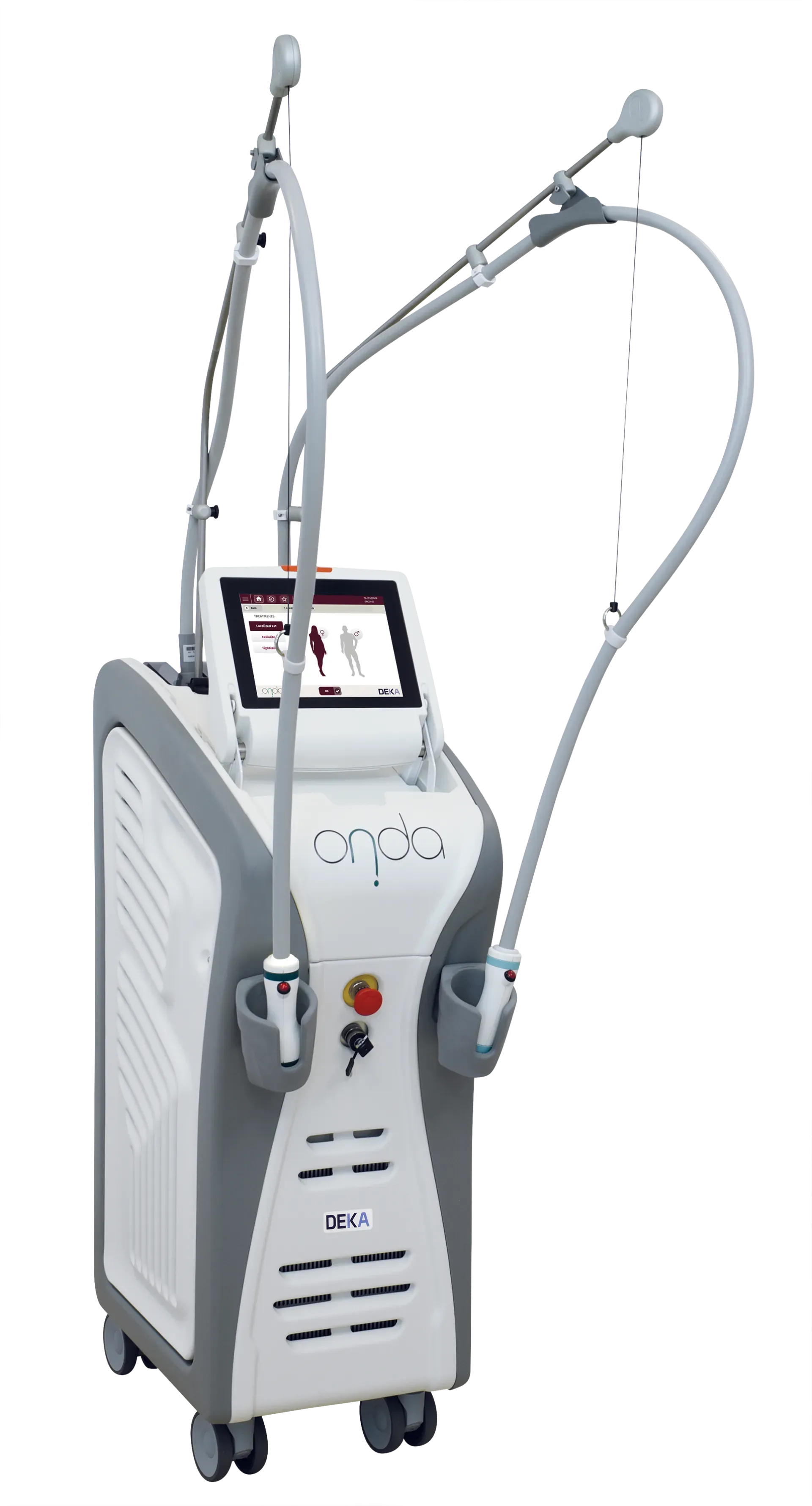
Body contouring has a quieter register in Gangnam than the storefront copy suggests. Walk the streets between Sinsa and Cheongdam on a weekday morning and the rhythm is recognisable to anyone who knows the inside of Lee Garden Three — vertical glass, marble lobbies, lifts that open onto suites rather than retail floors. Onda — and the device matters here — is a microwave-based platform that targets subcutaneous adipocytes at a depth most older RF and ultrasound systems cannot reach reliably, and the clinics worth a reading in this corridor have chosen it deliberately rather than added it to a menu. 呢度睇起來唔似一個普通嘅 derm street. The protocols on offer are not, strictly speaking, surgical, but neither are they cosmetic facials with a glossy name — Onda is a physician-administered device, which raises the floor on practitioner competence. What follows is an editorial reading of the houses I have walked through and the ones I have read about closely, organised by the texture of practice rather than by rank.
What to look for in a Gangnam Onda practice
An Onda body-contouring protocol — and the language matters more than the brochure suggests — rests on three discreet pillars that a discerning visitor learns to read for. The first is platform authenticity: Onda Coolwaves is a specific microwave platform manufactured in Italy, and a clinic should be willing, without prompting, to show the device, the serial registration, and the manufacturer's authorised-provider status rather than describe a generic RF cabinet as Onda. The second is parameter discipline: Onda uses three handpieces calibrated for distinct depths, and a senior physician should explain which handpiece, at which energy setting, addresses the indication on the body in question — abdomen, flanks, inner thighs, arms. The third is aftercare cadence: subcutaneous remodelling occurs across eight to twelve weeks after a session, and the better houses schedule a structured imaging review at four and eight weeks rather than selling a fixed package up front. Korean law requires the device to be physician-operated; what separates the corridor's better practices from the rest is what sits above that floor — the consultation that takes thirty minutes rather than five, the coordinator who has read the patient's case before the lobby greeting, and the willingness to say no when the indication does not call for the platform on offer.
Nine Gangnam clinics worth a closer reading
What follows is an editorial discovery — not an ordered list. Each entry is read for the texture of its practice rather than its marketing, and the order reflects the rhythm of an unhurried walk through Sinsa, Cheongdam, and Apgujeong on a temperate afternoon.
GN Smart Clinic (Gangnam)
GN Smart Clinic is a regenerative internal-medicine practice in Gangnam known for a partnership with Asan Medical Center and a one-day service model that compresses consultation, treatment, and recovery into a single twenty-four hour window. The team handles autologous stem cell IV infusion and medical IV therapy, and English-speaking foreign-patient coordination is available on request.
Re:Berry Skin Clinic (Gangnam) 💬
Re:Berry is a regenerative-medicine practice in Cheongdam-Gangnam designated as an Advanced Regenerative Medicine Center, frequently chosen by returning international patients for Onda body contouring paired with regenerative aftercare. The senior physician runs a consultation that opens with indication review rather than menu, and multilingual coordination via WhatsApp is part of the standard rhythm for visiting patients from overseas markets.
YAAN Skin Clinic (Gangnam) 💬
YAAN operates a six-story independent building of roughly four hundred pyeong in Gangnam and runs the practice with six board-certified doctors across fourteen years of accumulated expertise. The body-contouring menu pairs RF microneedling with thread lifting, and the scale of the building allows scheduled review intervals to run alongside same-day procedures without compressing consultation time. English-speaking coordinators handle foreign-patient logistics.
Liftique Dermatology Clinic (Gangnam) 💬
Liftique is a Sinsa-Gangnam dermatology house with three named board-certified dermatologists — Sangmyung Park, Yong-yon Won, and Hyo-yoon Kim — and a body-lifting and contouring menu that integrates Mark-Vu and Morpheus 3D diagnostic systems before parameter selection. The team treats body work as a calibration exercise rather than a single-session intervention, and English-language coordination is available on request.
Laurel Clinic (Cheongdam)
Laurel runs more than one hundred Ultanium procedures monthly under Dr. Joon-hyuk Hur, who serves as a director of the Korean Lifting Research Society and brings over a decade of facial and body lifting experience to the consultation. The practice treats lifting and contouring as adjacent disciplines, and the Cheongdam location operates on a measured, reservation-led rhythm.
BAILOR Clinic (Sinsa) 💬
BAILOR operates in the Cheongdam corridor with multilingual support advertised in English, Japanese, and Chinese — a register that suits visiting patients negotiating clinical detail in their first language rather than through machine translation. The menu pairs skin tightening with Ultherapy and dermal-filler work, and coordinator-led continuity handles foreign-patient logistics.
EGG Clinic (Sinsa)
EGG Clinic operates in Sinsa with eight board-certified doctors handling consultations across Ultherapy, RF microneedling, Potenza, and InMode platforms. The team holds multiple Korean medical society memberships and runs the practice on a measured, reservation-led basis. Lead times for international patients typically run two to three weeks during peak months, less in shoulder seasons.
Ever Skin Clinic (Apgujeong) 💬
Ever Skin Clinic in Apgujeong was named among eight outstanding-satisfaction clinics across one hundred seventy-nine Gangnam practices, the only dermatology clinic in that award cohort and the only winner recognised twice within the same calendar year. The director claims a leading board-certified dermatologist standing, and Ultherapy lifting and thread work anchor the menu.
Seoul Delight Dermatology Clinic (Gangnam)
Seoul Delight operates a dermatology practice in the broader Gangnam corridor with Onda Laser explicitly listed alongside Thermage, Ultherapy, Potenza, and Inmode platforms — a multi-device menu rather than a single-platform house. The team describes board-certified Korean dermatologist credentials and a working relationship with international patients across twelve-plus countries, with English coordination on request.
What Onda body contouring actually is
Onda — and the device's specifics matter more than the brochure copy admits — is a Coolwaves microwave platform manufactured in Italy by DEKA, designed to target subcutaneous adipocyte tissue at depths of roughly 1.5 to 2.5 centimetres below the skin surface using 2.45 gigahertz microwave energy with simultaneous contact cooling. It is not, strictly speaking, an ultrasound or radiofrequency platform; the mechanism is dielectric heating of water content within the fat cell, which differs meaningfully from HIFU's mechanical cavitation or RF's resistive heating. The platform offers three handpieces calibrated for distinct anatomical regions — the larger handpiece for abdomen and flanks, smaller geometry for inner thighs and arms, and a calibrated tip for skin-tightening rather than deep adipocyte work. Studies suggest the platform produces measurable reductions in subcutaneous fat thickness across three to four sessions spaced thirty days apart, with the visible result accumulating across eight to twelve weeks after the final session as the body clears the affected adipocytes. Korean licensure requires the device to be physician-operated, and the better Gangnam houses schedule structured imaging review at four-week intervals rather than committing a patient to a package up front.
How the nine Gangnam clinics compare
What follows is categorical reading rather than ordered hierarchy — the houses sit in different registers, and one chooses on temperament rather than tier. The Cheongdam-anchored practices (Re:Berry, Laurel, BAILOR) trend toward measured reservation-led rhythms with structured longitudinal review and multilingual coordination as standard rather than upgrade — Re:Berry's regenerative-medicine designation pairs Onda with regenerative aftercare in a way that suits returning international patients, while Laurel runs an unusually high Ultanium volume under a single named director. The Sinsa houses (Liftique, EGG) trend toward dermatologist-anchored teams with diagnostic imaging and society credentials forming the consultation backbone — Liftique's three named dermatologists and Mark-Vu / Morpheus 3D systems represent the diagnostic-led end of the corridor, while EGG's eight board-certified doctors handle a steadier consultation volume. The Apgujeong and broader-Gangnam houses (Ever, GN Smart, YAAN, Seoul Delight) cover a wider register — Ever's award-cohort recognition and leading-dermatologist credential claim sit alongside YAAN's six-doctor team across a six-story independent building, while GN Smart's twenty-four-hour service compression and Asan Medical Center partnership suit visiting patients with compressed itineraries. None of these registers is universally superior; the question is which rhythm fits the visitor's temperament and indication.
How I'd choose between these nine clinics
In my reading, the choice between these nine houses rests less on platform marketing than on three quiet variables that a visitor learns to weigh during the consultation rather than from the brochure. The first is indication clarity: Onda body contouring is calibrated for subcutaneous adipocyte reduction in defined anatomical zones — abdomen, flanks, thighs, arms — and is not a substitute for skin-tightening protocols, liposuction, or weight loss in patients outside the indicated BMI range. A house that asks what the indication is, in plain language, before describing the menu is meaningfully better than one that walks the patient into a printed package. The second is physician continuity: subcutaneous remodelling unfolds over weeks, and the visitor benefits when the senior physician who calibrates the first session is the one who reviews imaging at four and eight weeks rather than a rotating roster. The third is aftercare logistics for visiting patients: a coordinator who can answer a WhatsApp question in the visitor's first language during recovery is the variable that separates a competent house from a memorable one. The nine clinics above each meet a different brief; one chooses on temperament, not tier.
How we read these clinics
This survey is editorial — not an ordered recommendation. We read each clinic's published materials, cross-checked physician credentials against the Korean Medical Association registry where available, and considered each practice on three dimensions: platform authenticity, willingness to disclose protocol detail, and the quality of aftercare promised in writing. We did not visit every clinic for this revision; where we did consult, the entry reflects the texture of the room rather than the brochure. The nine entries here are practices a reasonable visitor might consider — not the only ones in the corridor, which holds many more — and we will revisit and revise this guide quarterly as practices change.
Frequently asked questions
Is Onda body contouring a permanent fat reduction?
The reduction in subcutaneous adipocyte volume is, in the strict sense, persistent — destroyed fat cells do not regenerate. However, the remaining adipocytes can expand if body weight increases meaningfully, so the visible benefit depends on stable lifestyle conditions in the months and years after the protocol. A reasonable patient weighs that honestly during consultation.
How many sessions does a typical protocol require?
Three to four sessions spaced approximately thirty days apart is the usual range for a defined body region, with structured imaging review at the four- and eight-week marks after the final session. A senior physician should adjust the cadence based on the patient's response rather than commit to a fixed package up front.
What downtime should I plan for?
Onda body contouring leaves treated regions warm and mildly tender for one to three days; the skin may show transient erythema and occasional bruising at the device contact points. There are no incisions, no anaesthesia beyond surface comfort, and most patients return to normal activity the same evening — discreetly, in the editorial sense.
How does Onda compare to HIFU or radiofrequency for body work?
Onda uses microwave energy at 2.45 gigahertz with simultaneous contact cooling, targeting subcutaneous fat at 1.5 to 2.5 centimetre depths. HIFU uses focused ultrasound and reaches different tissue planes; RF platforms use resistive heating at shallower depths. The mechanisms differ meaningfully, and a senior physician should explain which platform addresses the specific indication rather than describing them interchangeably.
Is Onda body contouring suitable for skin tightening as well?
Onda's calibrated tip handpiece addresses dermal tightening at shallower depths than the body-contouring handpiece, but it is not, strictly speaking, a primary lifting platform — Ultherapy, Sofwave, or Thermage FLX remain the device categories calibrated for skin-tightening as a primary indication. The better Gangnam houses sequence rather than substitute platforms when both indications apply.
How should I judge price for an Onda protocol in Gangnam?
Single-session pricing in the corridor typically ranges from KRW 500,000 to KRW 1,800,000 depending on the anatomical region, the handpiece, and the duration. Materially higher prices are not necessarily materially better outcomes; materially lower ones often signal compromise on either the device authenticity or the physician's time. Transparent written pricing before booking is, in the editorial reading, a non-negotiable expectation.
What credentials should I check on the operating physician?
Korean medical licensure, verifiable through the Korean Medical Association registry, and aesthetic-medicine experience demonstrable in years rather than weeks. For visiting patients, a coordinator fluent enough to translate clinical nuance — not just appointment times — is the supporting credential that often matters more than the device list during a consultation.
Are there indications where Onda is not recommended?
Onda is not indicated during pregnancy, active local skin infection, recent surgical scarring in the treatment zone, or in patients with metallic implants in the area. Patients with BMI substantially above the indicated range are not Onda candidates in the strict sense — the platform reduces adipocyte volume but is not a weight-loss intervention. A senior physician should decline on these grounds rather than negotiate.
Who should not book this category of practice?
Patients seeking a single-session, lowest-price intervention without continuing physician relationship; patients who decline written aftercare or who are uncomfortable with a senior physician declining a modality on indication grounds; and patients pursuing dramatic weight loss rather than localised contouring. The Gangnam corridor's better houses are calibrated for sequenced regimens and longitudinal review, and that suits some visitor profiles better than others.
What about visa and travel logistics for a Gangnam trip?
Most visitors from the United States, Hong Kong, Singapore, Japan, and the European Union enter Korea on standard ninety-day visa-waiver terms — no medical visa is required for the consultations described on this page. Five to seven days in Seoul is comfortable for an Onda single-session visit; multi-session protocols typically require staged trips spaced across the thirty-day interval cadence rather than one extended stay.